

Cart
0
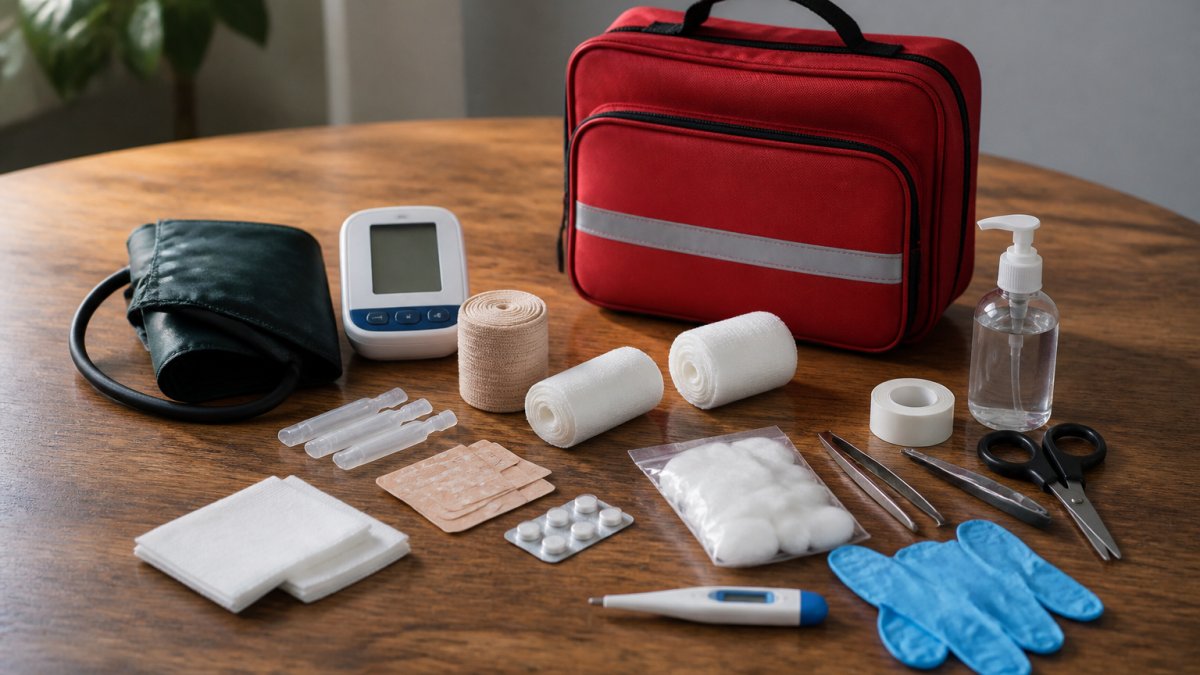
Table of Contents
- What Separates Professional Grade First Aid Supplies From Drugstore Kits
- Comparison Table: Best Medical Supply Brands for Home Use
- Essential Medical Supplies for Home: What Belongs in Every Kit
- Top Picks Reviewed: Kits That Cover Home, Car, and Trail
- How Medical Supply Refill Services Keep Your Kit Current
- How to Choose the Best Medical Supply Brands for Home Use
- Conclusion
- Frequently Asked Questions
Last Updated: September 28, 2026
What Separates Professional Grade First Aid Supplies From Drugstore Kits
Walk down any pharmacy aisle and you will find a wall of red boxes. Most of them look the same, and most of them fail the same way: when you actually open one during an emergency, half the contents are missing, expired, or too flimsy to matter. That gap between a drugstore kit and professional grade first aid supplies is the single most important thing to understand before you spend money on home medical supplies. RestockYourKit.com builds kits for families, crews, and outdoor groups, and this review breaks down what separates the best medical supply brands for home use from the cheap imitations.
Drugstore kits are built to a price point, not a standard. They typically include a handful of adhesive bandages, one pair of thin gloves, and a single gauze pad. Professional-grade kits are built around treatment scenarios: wound management, orthopedic injuries, burn and blister care, and medications. A kit designed for a 1-2 person weekend outing, like the Individual First Aid Kit, carries two pairs of nitrile gloves, sterile gauze in four sizes, trauma shears, a CPR mask, and medications including diphenhydramine and ibuprofen. That is a different category of product entirely.

The American Red Cross first aid guidance recommends that every household kit be checked regularly and restocked as items expire. Most drugstore kits make that nearly impossible because contents are sealed in a single blister pack. Professional kits pack supplies in individual waterproof resealable poly bags, so you can pull one item without destroying the rest.
Comparison Table: Best Medical Supply Brands for Home Use
Here is how the RestockYourKit.com lineup compares across the scenarios most households actually face.
| Kit | Price | Group Size | Best For |
|---|---|---|---|
| Basic Car + Home First Aid Kit | $19.99 | 6-8 people | Everyday home and vehicle emergencies |
| Individual First Aid Kit | $41.99 | 1-2 people | Weekend outings and family day trips |
| Weekender Backcountry First Aid Kit | $64.99 | 1-5 people | Hiking, camping, and fishing trips |
| High Adventure CREW First Aid Kit | $149.99 | 8-12 people | Scout troops and group treks |
The spread matters. A household of two does not need a 250-piece crew kit, and a Scout troop of ten cannot get by on a personal pouch. Matching kit size to group size is the first decision, and it is the one most buyers get wrong.

Essential Medical Supplies for Home: What Belongs in Every Kit
Every home kit needs four categories covered: wound management, orthopedic support, burn and blister care, and medications. Miss any one of them and you will be improvising during an emergency.
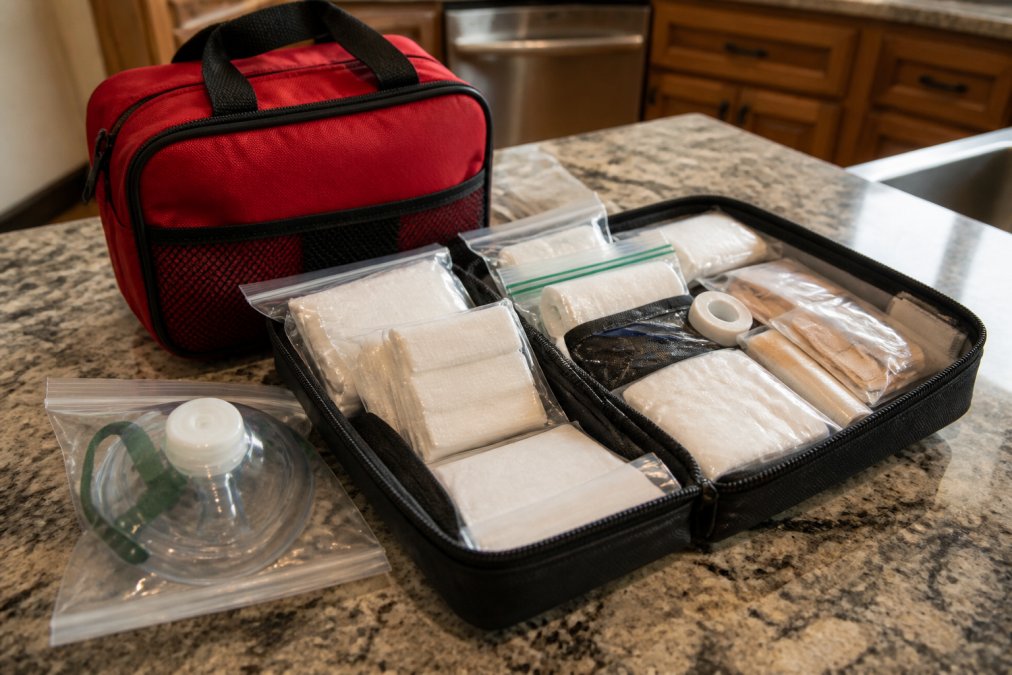
The wound management layer is the foundation. You want sterile gauze in at least two sizes, adhesive bandages in regular, knuckle, and fingertip shapes, and a roll of gauze for wrapping.
Pro Tip
Store your kit somewhere you can reach in the dark. A kitchen cabinet above the counter beats a hall closet, and a car kit should live in the trunk rather than under a seat where it gets crushed. Check expiration dates every six months, ideally when you change your smoke detector batteries.
Top Picks Reviewed: Kits That Cover Home, Car, and Trail
The right kit depends entirely on where it lives and who it protects. Here are four options that cover the most common household scenarios.
Basic Car + Home First Aid Kit ($19.99)
This is the best value in the lineup and the one most households should start with. It covers 6-8 people for 1-3 days and packs into a Zip-Lock style bag with each supply category in its own smaller bag. You get two pairs of nitrile exam gloves, trauma shears, a CPR mask, a bio-hazard bag, and a first aid wallet card, alongside the wound care and medication supplies.
Individual First Aid Kit ($41.99)
Built for 1-2 people over 3-5 days, this kit handles the injuries you actually encounter on a trail: sprains, fractures, cuts, scrapes, headaches, and allergic reactions. It weighs 15 ounces and includes two disposable Tempa-Dot thermometers, a splinter forceps, triangular bandages, and BurnJel packets for burn and blister management.
Watch Out
Do not skip the splinter forceps and tick tools. A tick embedded for more than 24 hours raises the risk of tick-borne illness, and a clean removal with proper tools is far safer than improvising with tweezers from a bathroom drawer.
Weekender Backcountry First Aid Kit ($64.99)
This is the kit for day hikes, fishing trips, and camping weekends with a small group. It covers 1-5 people for 3-5 days and weighs 1 pound 7 ounces. The contents step up meaningfully: an emergency space blanket, a Fox 40 rescue whistle, a Wilderness First Aid field guide, a Tegaderm waterproof dressing, and a trauma gauze pad sized for serious bleeding.
High Adventure CREW First Aid Kit ($149.99)
For Scout troops, crews, and organized group treks, this is the one to buy. It contains over 250 pieces, covers 8-12 people for 8-12 days, and weighs 2 pounds 9 ounces. The contents include a 36-inch SAM splint, a 5x9 and an 8x10 trauma gauze pad, an irrigation syringe, tongue depressors, and twelve ibuprofen tablets.
How Medical Supply Refill Services Keep Your Kit Current
Medical supply refill services solve the problem that kills most home kits: expiration. Every medication packet, wipe, and sterile dressing in your kit has a date on it, and a kit that sat in a closet for three years is not a kit you can trust.
Key Takeaway
A kit is only as good as its contents are current. Set a recurring six-month reminder, check every expiration date, and restock the items that are aging out rather than replacing the whole kit.
How to Choose the Best Medical Supply Brands for Home Use
Choosing among medical supply brands comes down to four questions: who the kit protects, where it will be stored, what conditions your household needs to manage, and whether you can restock it later.
Here is a quick decision framework:
| If your situation is... | Choose... | Because... |
|---|---|---|
| Family of 4-8, kit lives at home | Basic Car + Home First Aid Kit | Covers the most people at the lowest cost |
| Couple or solo, weekend day trips | Individual First Aid Kit | Right-sized contents, includes SOAP notes |
| Small group, hiking or camping | Weekender Backcountry First Aid Kit | Field guide and trauma supplies included |
| Scout troop or large crew trek | High Adventure CREW First Aid Kit | 250+ pieces, meets BSA crew recommendations |
| Need to replace one expired item | Individual supply restock | Cheaper than buying a whole new kit |
Best For
Households that want a single kit covering both the car and the kitchen, without paying for supplies they will never use.
Conclusion
The hardest part of home medical preparedness is not buying a kit. It is keeping one current, correctly sized, and stocked with supplies that have not expired. Most households buy a drugstore kit once, tuck it away, and never look at it again until something goes wrong.

Frequently Asked Questions
What medical supplies should I have at home?
A complete home kit covers wound care, medications, and tools. At minimum: adhesive bandages in multiple sizes, sterile gauze pads (2x2 and 4x4), gauze rolls, elastic bandages, medical tape, antiseptic wipes, triple-antibiotic ointment, nitrile gloves, trauma shears, a CPR mask, and over-the-counter medications like aspirin, ibuprofen, and diphenhydramine. Kits like the Basic Car + Home First Aid Kit ($19.99) include all of these items for 6-8 people, packaged in waterproof resealable bags so nothing gets contaminated or lost.
How do I verify if a medical supply brand is professional grade?
Look for three things: product sourcing transparency, expiration date freshness, and whether the brand builds kits to order or ships pre-assembled stock that may sit in a warehouse. Brands that custom-build kits after purchase, like RestockYourKit.com, can guarantee longer medication expiration dates. Also check whether supplies arrive in individual waterproof resealable bags. That packaging detail signals clinical-grade handling rather than bulk repackaging. Finally, confirm the brand offers refill options so you can replace expired items without buying a whole new kit.
What should I look for when buying medical equipment online?
Check the group size and trip duration each kit is designed for, since a kit built for 1-2 people won't cover a family of six. Verify the weight if portability matters. Compare the actual contents list against what you already own to avoid paying for duplicates. Look at shipping timelines too. Custom-built kits take 3-5 business days to assemble, which ensures fresher medications but requires planning ahead. Free shipping thresholds, like orders over $79, can also affect your total cost.
What is the difference between clinical-grade and consumer-grade medical supplies?
Clinical-grade supplies meet the same manufacturing standards used in hospitals and clinics, including sterile packaging, lot tracking, and expiration dating. Consumer-grade items sold in general retail often skip sterile packaging or use thinner materials. For example, clinical-grade gauze pads are individually sterile-wrapped, while consumer versions may come loose in a box. When you buy professional grade first aid supplies, you're paying for packaging integrity, material durability, and verified expiration dates, all of which matter when you're treating a real wound, not just covering a paper cut.
How often should I replace the supplies in my home first aid kit?
Check your kit every six months and replace anything past its expiration date. Medications like aspirin, ibuprofen, and diphenhydramine typically expire within 1-3 years. Adhesive bandages lose stickiness over time, and sterile packaging can degrade. Rather than buying an entirely new kit, use a medical supply refill service to order just the items you need. This keeps costs down and ensures your kit stays ready. If you build a kit from scratch, set a phone reminder for every January and July to do a full inventory check.


