

Cart
0
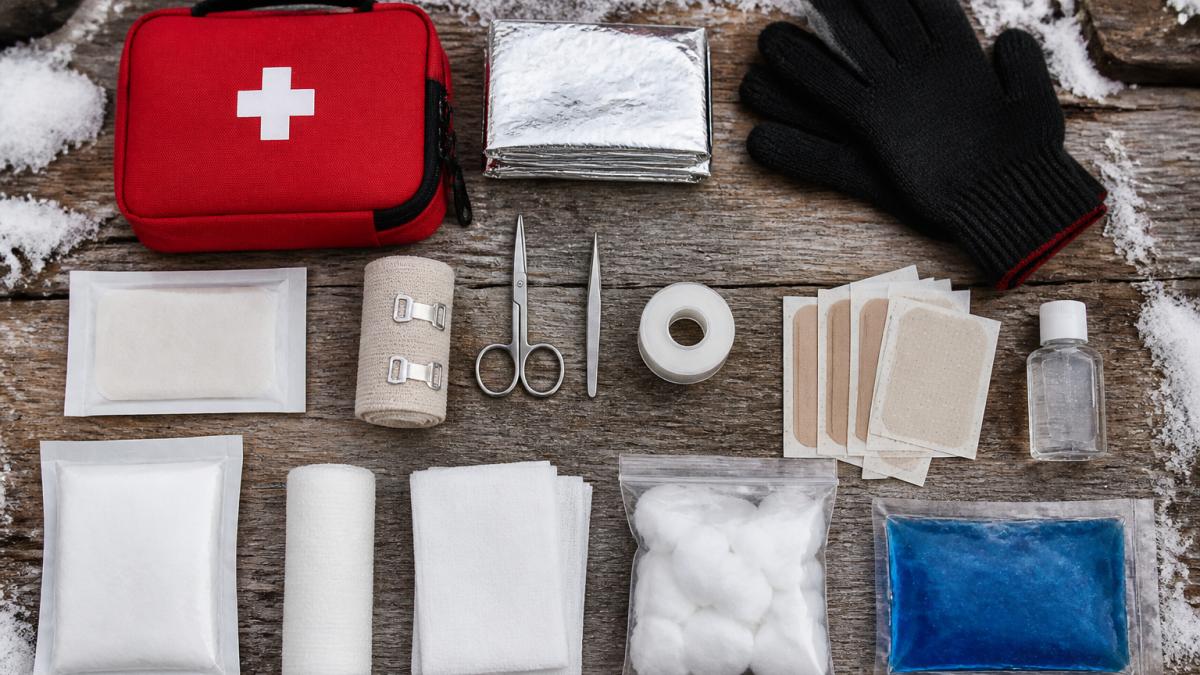
Table of Contents
- 1. Emergency Space Blanket: Your First Line Against Hypothermia
- 2. Hand Warmers: On-Demand Heat for Fingers and Toes
- 3. Gauze and Trauma Pads: Managing Bleeding When Layers Come Off
- 4. Adhesive Bandages: Protecting Minor Cuts From the Cold
- 5. Medications and Pain Relief: What Actually Works in the Cold
- 6. Frostbite First Aid Treatment: What to Do Before Help Arrives
- 7. Winter Emergency Preparedness Checklist for Your Kit
- 8. First Aid Kit Expiration Dates: How Cold Weather Changes the Rules
- Frequently Asked Questions
Last Updated: September 27, 2026
1. Emergency Space Blanket: Your First Line Against Hypothermia
The most important item in any 12 essential first aid items for winter kit is a space blanket, because hypothermia can set in faster than most people expect. This lightweight sheet reflects up to 90% of your body heat and weighs almost nothing.
Pro Tip
The reflective surface works in two directions: it keeps heat in and makes you visible to search aircraft. If you are stranded, lay it reflective-side up as a signal.
2. Hand Warmers: On-Demand Heat for Fingers and Toes
Hand warmers buy you time. That is the honest way to think about them. They will not treat frostbite, but they slow the rate at which fingers and toes lose function.

3. Gauze and Trauma Pads: Managing Bleeding When Layers Come Off
Bleeding control gets harder in winter because you must remove or cut through layers before you can see the wound. That delay costs time.
| Wound Type | Recommended Dressing | Size |
|---|---|---|
| Minor cut or scrape | Gauze pad | 2x2 in |
| Moderate laceration | Gauze pad | 4x4 in |
| Deep bleeding wound | Trauma dressing | 5x9 in |
| Abdominal or large wound | Abdominal trauma dressing | 12x30 in |
4. Adhesive Bandages: Protecting Minor Cuts From the Cold
Small cuts become real problems in freezing weather. Cold slows circulation to the skin, which slows healing and raises infection risk.
5. Medications and Pain Relief: What Actually Works in the Cold
Pain relief matters more in winter because cold amplifies joint pain, headaches from altitude, and muscle aches from shoveling or hauling gear. But the bigger winter problem is not which medication you carry, it is whether that medication still works after a month in a freezing trunk.
How Cold Actually Affects Medications
The United States Pharmacopeia defines controlled room temperature as 68°F to 77°F, with excursions permitted between 59°F and 86°F. A vehicle trunk in January sits far below that range for hours at a time. The damage depends on the dosage form:
- Tablets and caplets: The most cold-tolerant option. Most practitioners find that dry, sealed tablets tolerate freeze-thaw cycles far better than liquids, which is why tablets belong in a vehicle kit.
- Gel capsules: These can become brittle or leak at low temperatures, and the gelatin shell may not dissolve predictably once it has frozen and thawed.
- Liquid medications: Suspensions and syrups separate when frozen. Even after thawing, shaking may not fully restore an even dose, so a child's liquid fever reducer stored in a car is a poor bet.
- Ointments and creams: Repeated freezing turns many petroleum-based products grainy and can cause water-based creams to separate. A grainy antibiotic ointment still spreads, but a separated hydrocortisone cream may deliver an uneven dose.
- Injectable epinephrine: This is the item to watch most closely. Manufacturers advise against letting auto-injectors freeze, and a cloudy or discolored solution should be replaced rather than used.
Building a Cold-Weather Medication Strategy
The practical fix is to split your supply. Keep a full, room-temperature medication stock at home or in a heated space, and carry only a small rotating quantity in the vehicle kit.
- Use individual packets, not bottles. A single-dose packet that freezes is a small loss. A full bottle that freezes is a total loss.
- Rotate on a schedule, not on a feeling. Swap vehicle-kit medications every 60 to 90 days, or every season change, whichever comes first.
- Store in an insulated pouch. Insulation does not generate heat, but it slows the rate of temperature change, which reduces the number of freeze-thaw cycles a packet endures.
- Keep a written log. Tape a small card inside the kit lid with the date each medication was placed and the date it should be swapped.
Watch Out
Liquid medications, gel capsules, and epinephrine auto-injectors are the items most likely to fail after freezing. If your kit lives in a vehicle, stick to tablets and rotate them on a fixed schedule. A frozen gel capsule may not absorb the way you expect, and a frozen liquid may not deliver an even dose.
What to Carry for Winter-Specific Aches
Cold weather changes which complaints you are most likely to treat. Shoveling and slipping produce muscle strains and low-back pain, where ibuprofen's anti-inflammatory action helps. Cold, dry air and altitude produce headaches, where acetaminophen is often the better first choice. Keep both, plus a small supply of an antihistamine for allergic reactions and a hydrocortisone cream for cold-weather skin irritation and chapping.
FDA guidance on storing and disposing of medications
6. Frostbite First Aid Treatment: What to Do Before Help Arrives
Frostbite first aid treatment follows one rule above all others: never rub the affected area with snow or anything else. Rubbing ice crystals through tissue causes more damage than the cold itself.

7. Winter Emergency Preparedness Checklist for Your Kit
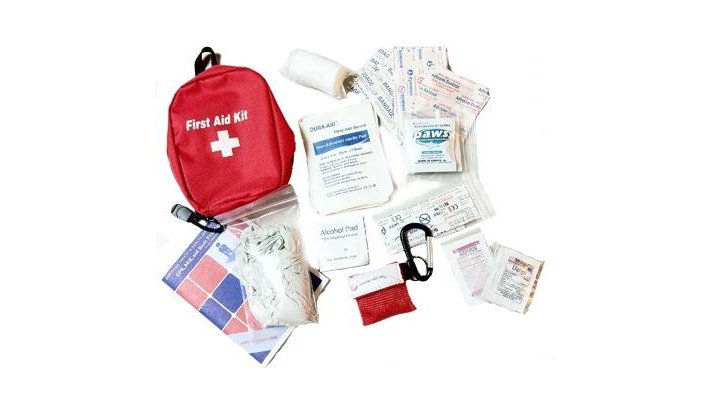
A winter emergency preparedness checklist keeps you from discovering a gap in your kit at the worst possible moment. The mistake most guides make is treating every kit the same. A kit that lives in a heated hallway and a kit that lives in a vehicle through a January cold snap face completely different conditions and need different contents.
Home and Basecamp Kit
This kit stays in a heated or semi-heated space, so it can carry items that would fail in a vehicle.
- Emergency space blanket, one per person
- Hand warmers, at least two pairs per person
- Sterile gauze pads in 2x2, 4x4, and 5x9 sizes
- Gauze rolls for compression wrapping
- Adhesive bandages in regular, fingertip, and knuckle shapes
- Medical tape and trauma shears
- Nitrile gloves, non-latex, two pairs minimum
- Antiseptic wipes and antibiotic ointment packets
- Ibuprofen and acetaminophen packets
- Hydrocortisone cream and antihistamine tablets
- Digital thermometer
- Emergency contact information, written on paper
- CPR breathing barrier
- Cold compress and instant heat pack
- Liquid medications and gel capsules, if needed
Vehicle Winter Kit
This kit must survive freeze-thaw cycles, so it swaps out anything that degrades in the cold and adds items specific to being stranded on the road.
- Emergency space blanket, one per person, plus one spare
- Hand warmers, at least four pairs per person
- Tablets only, no liquids, no gel capsules, no epinephrine auto-injectors left in the car
- Gauze pads and rolls, stored in a sealed pouch to keep out moisture
- Adhesive bandages, rotated every season
- Nitrile gloves, two pairs minimum
- Trauma shears, kept in an outer pocket
- Emergency contact information, written on paper
- Reflective vest and a headlamp with spare batteries
- Ice scraper, small shovel, and jumper cables
- Kitty litter or sand for traction
- Non-perishable high-calorie food and a bottle of water that will not burst when frozen
- Phone charging cable and a power bank rated for cold-weather use
- Insulated bag to slow freeze-thaw cycling on medications and adhesives
Pro Tip
Print both lists and tape them inside the respective kit lids. A checklist you have to look up on a phone is a checklist you will not use when your hands are numb and your phone is dead.
Choosing a Starting Point
For a ready-made home kit, the Everyday First Aid Kit at $11.99 covers one person for one to two days and includes bandages, gauze pads, gloves, antibiotic ointment, and antiseptic wipes in a bright red bag that is easy to find. For groups, the Weekender Backcountry First Aid Kit at $64.99 covers one to five people for three to five days.

Key Takeaway
Build the home kit first, then build the vehicle kit as a stripped-down, cold-tolerant version of it. The two kits should share a checklist structure but not identical contents.
8. First Aid Kit Expiration Dates: How Cold Weather Changes the Rules
First aid kit expiration dates deserve more attention in winter than in any other season. Freeze-thaw cycles degrade medications, adhesives, and sterile packaging faster than steady room temperature does.
- Medications: look for crumbling, discoloration, or a change in smell
- Adhesive bandages: test one strip. If it will not stick to clean, dry skin, replace the batch
- Sterile packaging: any torn or puffy pouch is no longer sterile
- Ointments and creams: separate or turn grainy when they have frozen repeatedly
Key Takeaway
Store your vehicle kit in an insulated bag, not loose in the trunk. The insulation does not keep it warm, but it slows the freeze-thaw cycling that ruins medications and adhesives.
Frequently Asked Questions
What should be in a winter emergency first aid kit?
A winter kit needs the same wound care supplies as a standard kit, plus cold-weather additions. Include an emergency space blanket, hand warmers, sterile gauze, trauma pads, adhesive bandages, nitrile gloves, antiseptic wipes, antibiotic ointment, pain relief tablets like ibuprofen and acetaminophen, a thermometer, and a breathing barrier. For vehicles, add extra hand warmers. RestockYourKit.com offers individual items and pre-built kits so you can customize based on group size and trip duration.
How do you treat frostbite in a first aid emergency?
Move the person to a warm, dry place and remove wet clothing. Do not rub the affected area, as this can damage tissue. Immerse the area in warm water between 98°F and 104°F for 15 to 30 minutes. Do not use direct heat like a heating pad or fire. Loosely bandage the area with sterile gauze and keep it elevated. Seek medical attention immediately. Never rewarm if there is a risk of refreezing, as this causes worse damage.
Why is it important to update your first aid kit for winter?
Cold temperatures change how supplies perform. Adhesive bandages lose stickiness, ointments become hard to apply, and medications can degrade faster with repeated freeze-thaw cycles. Winter also brings specific risks like hypothermia and frostbite that require items not always found in a standard kit, such as emergency blankets and hand warmers. Checking first aid kit expiration dates before winter ensures your supplies will work when you need them most.
How often should you check your home first aid kit supplies?
Check your home kit every six months and before each winter season. Look for expired medications, damaged packaging, and missing items. RestockYourKit.com ships sterile items and medications with expiration dates at least six months out, and most items last 12 to 36 months. Set a reminder when you build your kit so you do not forget to refresh it. A simple calendar alert can keep your winter emergency preparedness checklist current.
What items are essential for a vehicle winter emergency kit?
Your vehicle kit should include an emergency space blanket, hand warmers, a first aid kit with gauze and bandages, a flashlight, a multi-tool, and a phone charger. Add a small shovel, ice scraper, and sand or cat litter for traction. For the first aid portion, include trauma pads, adhesive bandages, antiseptic wipes, and pain relief tablets. RestockYourKit.com offers compact kits like the Everyday First Aid Kit that fit easily in a glove box or trunk.
Winter emergencies rarely announce themselves, and the gap between a minor mishap and a serious one often comes down to what is already in your bag. RestockYourKit.com builds custom first aid kits with individual packets of medications at near-wholesale prices, flexible refill options, and free shipping on orders of $79 or more. Get started with RestockYourKit.com and build a winter kit that is actually ready when the temperature drops.


