

Cart
0

Table of Contents
- Why Do Chickens Get Leg Weakness? Start Here
- When a Chicken Is Unable to Stand: A Triage Checklist
- Marek's Disease Symptoms in Chickens: What to Look For
- Vitamin Deficiency in Chickens: A Common and Fixable Cause
- Chicken Leg Injury Treatment: What You Can Do at Home
- Other Causes of Chicken Leg Weakness
- Conclusion: Your Next Steps
- Frequently Asked Questions
Last Updated: October 12, 2026
Why Do Chickens Get Leg Weakness? Start Here
Why do chickens get leg weakness?
At RestockYourKit.com, we hear from backyard flock owners who found a hen sitting in the corner, unable to stand. The bird looked fine yesterday.
That gap between "fine" and "down" is what makes this so frustrating. Here's what most guides get wrong: they list diseases without telling you how to tell them apart.
The good news? Several common causes are fixable within days.
When a Chicken Is Unable to Stand: A Triage Checklist
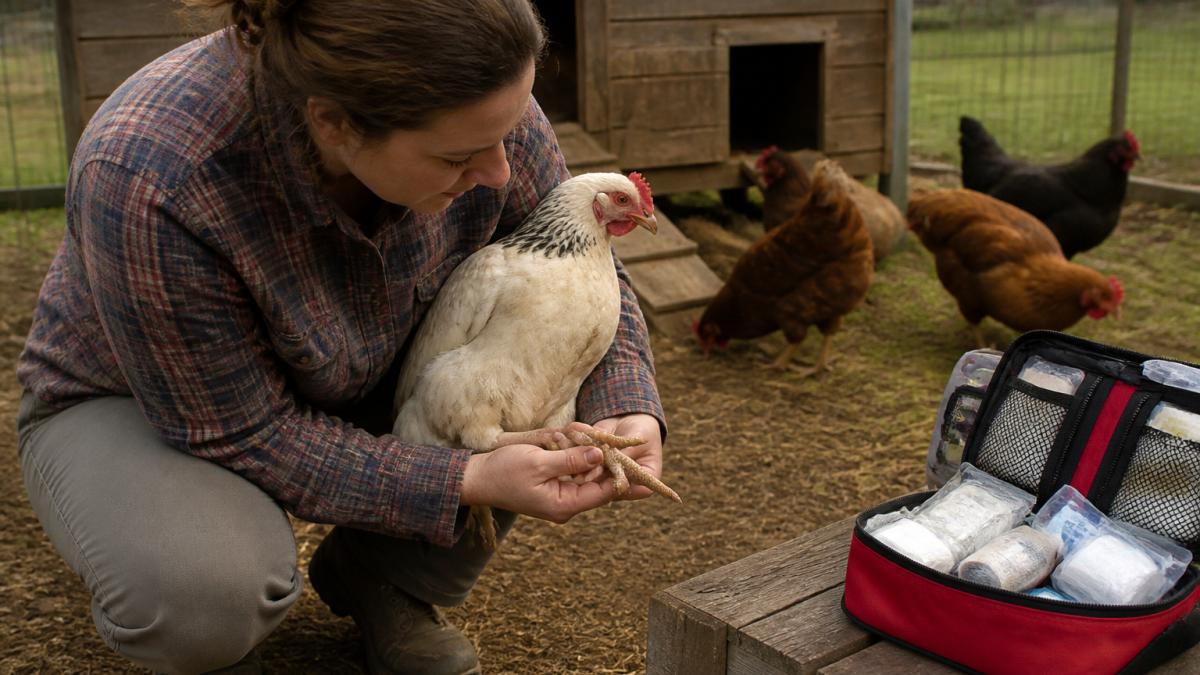
A chicken unable to stand needs a calm, hands-on exam before you assume the worst. Work through these steps in order, and take notes as you go. Your observations will matter if you call a vet.
Step 1: Check for Injury and Immediate Threats
Start with the legs themselves. Look for swelling, cuts, or a leg that bends the wrong way. Check the bottoms of the feet for dark scabs, which point to a foot problem rather than a nerve problem. Also scan for a predator wound, even a small one, since hidden puncture wounds can cause infection fast.
Step 2: Isolate and Observe
Move the bird to a quiet, padded crate with food and water within reach. Watch for 24 hours. Note whether she eats, drinks, and moves her legs at all. A hen that can move her legs but won't stand is a different case from one whose legs feel limp.
Pro Tip
Check the crop first. A full, squishy crop that never empties often means the bird hasn't eaten properly for a day or more, which changes how urgent the situation is.
Marek's Disease Symptoms in Chickens: What to Look For
Marek's disease symptoms in chickens usually show up as one leg forward and one leg back, or a leg that drags. This viral disease attacks nerves and can cause partial paralysis.
Watch for these signs:
- One leg stretched forward, the other back
- A drooping wing on one side
- Loss of balance or a twisted neck
- Weight loss despite eating
- Labored breathing in the later stages
Marek's spreads through dander and dust, so it moves through a flock easily. There is no cure. Vaccination of day-old chicks is the main prevention tool, and it works best when chicks are vaccinated before exposure.
Vitamin Deficiency in Chickens: A Common and Fixable Cause
Vitamin deficiency in chickens is one of the most treatable reasons a bird can't stand, which is why it belongs near the top of your list. A lack of vitamin E, selenium, or B vitamins can weaken the legs and cause poor coordination. The classic sign is a bird that seems alert but wobbly.

Key Nutrients for Leg Health
- Vitamin E and selenium: work together for muscle and nerve function
- B vitamins: support nerve health and energy use
- Vitamin D: helps the body absorb calcium for strong bones
- Calcium: critical for laying hens, who pull calcium daily
A bird with a deficiency often improves within a week once the missing nutrient is restored. We carry a Selenium + Vitamin E Oral Gel that's made for exactly this kind of nutrient gap, and a Poultry Cell mineral supplement that adds iron, vitamins, and minerals in a liquid your birds will actually take.

Watch Out
Don't guess at the dose. Too much selenium is toxic to birds. Follow the label, and if you're unsure, ask a vet before you treat.
Chicken Leg Injury Treatment: What You Can Do at Home
Chicken leg injury treatment starts with rest, a clean wound, and support. Most minor sprains and cuts heal with basic care.
Here's the simple routine:
- Move the bird to a small, padded area so she can't re-injure the leg
- Clean any wound with an antiseptic spray and pat it dry
- Cover cuts with a light bandage and change it daily
- Check for swelling and feel for heat, which signals infection
- Keep food and water within reach so she doesn't have to walk
For a suspected sprain with no open wound, limit movement for several days and watch for improvement. A splint can help a simple fracture, but a bad break needs a vet. Our Deluxe Backyard Chicken First Aid Kit includes gauze, antiseptic wound spray, styptic powder, and nitrile gloves, so you're not scrambling when an injury happens.
| Problem | What You'll See | First Move |
|---|---|---|
| Sprain or strain | Swelling, no wound, still moves leg | Rest and limit movement |
| Open wound | Cut, blood, or scab | Clean, bandage, watch for infection |
| Fracture | Leg bends wrong, bird won't bear weight | Splint if simple, call a vet |
| Foot problem | Dark scab on foot pad | Clean, pad the area, keep it dry |
Other Causes of Chicken Leg Weakness
Not every down bird has an infection or a nutrient gap. Some causes live in the feed, the coop, or the bird's own genetics. This is where most owners stop looking too early, and it's also where the cause changes dramatically depending on what kind of chicken you keep.
Metabolic and Nutritional Factors
Fast growth is a real problem for meat breeds.
Flaked Oyster Shell Calcium Supplement for Laying Hens (5 LB) →
The mechanism matters: a high-energy, high-carbohydrate ration pushes rapid muscle and fat deposition, which raises oxygen demand.
Laying hens have a different metabolic risk. Free-choice calcium, like a flaked oyster shell calcium supplement, lets her self-regulate.

Age and breed change the odds here. Chicks and growing pullets are more prone to developmental and nutritional leg problems. Broilers are prone to metabolic ones.
Environmental and Management Issues
Your coop and run cause more leg problems than most owners realize. Work through these checks in order:
- Predation: even a near-miss can leave a hidden injury, deep bruising, or a puncture wound that abscesses days later. Look for torn feathers, blood on the coop, or a bird that's suddenly lame on one side.
- Trauma: a bad landing off a roost, a foot caught in wire, or a fall from a perch can sprain or fracture a leg. Roost height and ramp placement matter more than most owners think.
- Toxins: moldy feed, spoiled scraps, and contaminated water are common culprits. Mycotoxins from moldy grain can cause weakness, tremors, and leg problems. Check the feed bin for clumping, musty smell, or discoloration, and never feed scraps that have sat out.
- Heat stress: in summer, a hen can't sweat. She pants and holds her wings out, and if she can't cool down, she weakens and may collapse. Shade, airflow, and cool water are the fix.
- Overcrowding: too many birds in too little space raises stress, pecking, and the chance of a bird getting trampled or injured. It also worsens ammonia buildup, which damages the respiratory system and wears birds down.
- Ventilation: poor airflow traps moisture and ammonia. A coop that smells sharp when you open the door needs better ventilation, not more bedding.
Pro Tip
After any unexplained death or down bird, check the water source first. A dirty or algae-filled waterer is one of the fastest ways to weaken an entire flock, and it's one of the easiest things to fix.
When It's Not One Bird
If more than one bird goes down in a short window, stop treating it as an individual case. Multiple sudden deaths or a spreading pattern of weakness can point to a contagious disease, a feed problem, or an environmental exposure that affects the whole flock.
A necropsy, a professional post-mortem exam, is the only way to confirm many of these causes. If you lose a bird and want answers, refrigerate the carcass (do not freeze it) and contact a poultry veterinarian or diagnostic lab promptly.
Key Takeaway
Match the pattern to the cause before you treat. A single lame bird after a scuffle points to injury. A broiler that dies suddenly with no wound points to a metabolic event. Multiple birds going down together points to something in the feed, water, or environment, and that's when you call a vet.
Conclusion: Your Next Steps
A chicken that suddenly can't stand is scary, but you now have a path forward. Check for injury first, isolate the bird, and match the symptom to the most likely cause. Nutrient gaps and minor injuries often turn around within days, while Marek's, organ failure, and metabolic collapse need a vet's eye.
What most guides skip is what to do after a bird goes down or dies. That's where you protect the rest of your flock.
Immediate Steps After an Unexplained Death
- Isolate any other bird showing symptoms. Move her to a quiet, warm crate away from the flock. Use separate feed and water dishes, and wash your hands between birds.
- Check water and feed. Dump and scrub waterers, then refill with clean water. Inspect feed for mold, clumping, or a musty smell, and replace it if anything looks off.
- Improve ventilation. Open vents, add airflow, and remove wet bedding. Ammonia and moisture wear birds down fast.
- Watch the flock closely for 7 to 10 days. Note any new lameness, lethargy, or drop in egg production. A pattern matters more than a single bird.
- Preserve the carcass if you want answers. Refrigerate, don't freeze, and contact a poultry veterinarian or your state diagnostic laboratory about a necropsy. The information you provide (age, breed, diet, recent changes, number affected) helps them narrow the cause.
Biosecurity and Reportable-Disease Warning Signs
If multiple birds die in a short window, or you see symptoms like swollen heads, purple discoloration, sudden drops in egg production, or respiratory distress spreading through the flock, treat it as a potential contagious disease. Limit visitors, don't share equipment between flocks, and call your veterinarian or state animal health authority. Some poultry diseases are reportable, and early reporting protects both your flock and your neighbors'.
Prevention Checks That Pay Off
- Balanced feed: match the ration to the bird's age and purpose. Broilers, layers, and chicks have different needs.
- Gradual growth: avoid pushing meat breeds with high-energy feed beyond what their legs can support.
- Heat management: provide shade, airflow, and cool water in summer.
- Predator-proofing: secure the coop and run, and check for gaps and dig-outs.
- Toxin control: store feed dry, rotate stock, and never feed moldy or spoiled scraps.
- Calcium access: offer free-choice oyster shell to laying hens in a separate dish.
Being ready before something goes wrong makes all the difference. RestockYourKit.com builds first aid kits and stocks the hard-to-find poultry supplies small flocks actually need, from wound care to mineral supplements, at near-wholesale prices. Our kits ship free on orders of $79 or more.
Get started with RestockYourKit.com and keep your flock care supplies within arm's reach.
Frequently Asked Questions
Why is my chicken weak in the legs?
Leg weakness in chickens can stem from several causes. Marek's disease is a leading viral culprit, especially in younger birds. Nutritional gaps, particularly vitamin E and selenium deficiency, also cause weakness. Injuries from a fall or predator attack are common. Less often, it's a metabolic issue or organ failure. A veterinary exam or necropsy can confirm the exact cause.
Can vitamin deficiency cause leg weakness in chickens?
Yes. A lack of vitamin E, selenium, or B vitamins directly impacts nerve and muscle function, leading to weakness or an inability to stand. This is especially common in chickens fed a diet of mostly scratch grains or table scraps. A supplement like Selenium + Vitamin E Oral Gel or Poultry Cell can correct deficiencies, but always confirm the cause first.
How can I help a chicken that cannot stand?
First, isolate the bird in a quiet, dark space with easy access to food and water. Check for obvious injuries, swelling, or wounds. If you suspect a deficiency, offer a vitamin and mineral supplement. Support the chicken with soft bedding to prevent pressure sores. If there's no improvement in 24-48 hours, contact a veterinarian. A chicken leg injury treatment plan should start with rest and supportive care.
When should I call a veterinarian about chicken leg weakness?
Call a vet if the weakness comes on suddenly, affects multiple birds, or is accompanied by other signs like diarrhea, respiratory distress, or a drop in egg production. These can indicate a serious infectious disease like Marek's or Newcastle. Also seek help if the chicken doesn't improve with supportive care in two days or if you suspect a fracture.
A quick note on sourcing: This guide reflects general poultry care practices. For a confirmed diagnosis, especially with suspected Marek's disease or a reportable illness, contact a veterinarian or your state's animal health authority.


