Cart
0
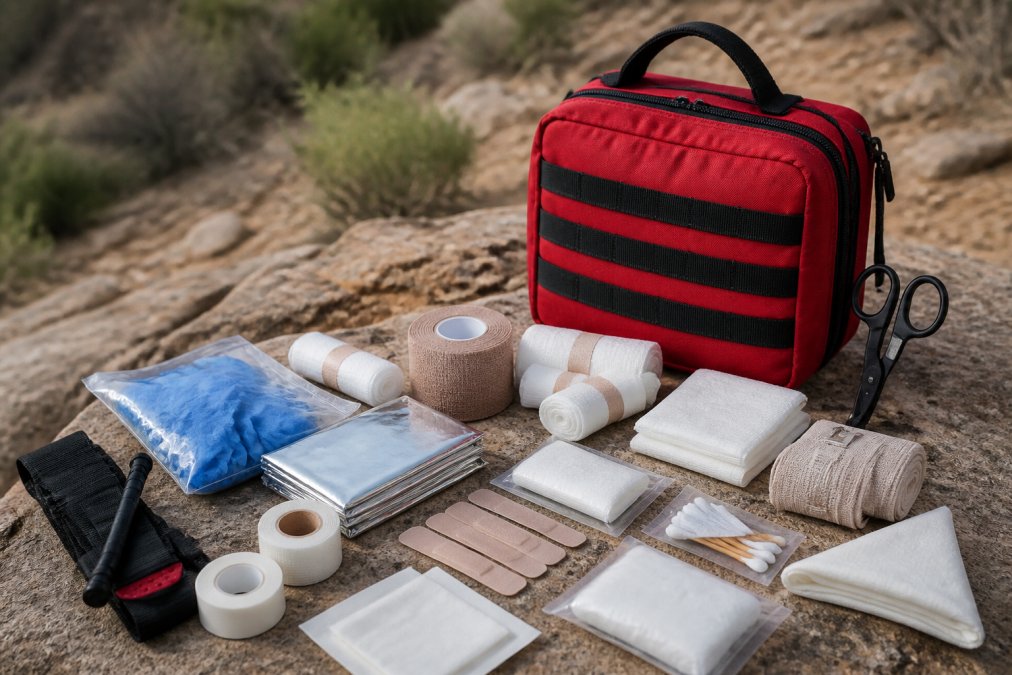
Table of Contents
- How We Picked These Medical Supplies for Outdoor Crews
-
The 10 Best Medical Supplies and Kits for Outdoor Crews
- High Adventure CREW First Aid Kit
- Northern Tier (BSA) Crew First Aid Kit
- Boating First Aid Kit - CREW
- Weekender Backcountry First Aid Kit
- Ultralight Hiker First Aid Kit
- Individual First Aid Kit
- North American Rescue C-A-T Tourniquet (Gen-7)
- EMT Trauma Shears
- LifeStraw Personal Water Filter
- Emergency Space Blanket
- Wilderness First Aid Kit Checklist 2026: What Every Crew Needs
- OSHA First Aid Kit Requirements for Remote Work
- First Aid Kit Maintenance Schedule for Outdoor Crews
- Environmental Checklists, Sustainability, and Psychological First Aid
- Conclusion
- Frequently Asked Questions
Last Updated: September 24, 2026
How We Picked These Medical Supplies for Outdoor Crews
Choosing medical supplies for outdoor crews means balancing weight, group size, and trip duration against likely backcountry injuries. This guide from RestockYourKit.com evaluates each item on supply count, weight, group capacity, and multi-day performance where definitive care is hours or days away. Effective field medicine often relies on the versatility of multi-functional outdoor tools to improvise splints or manage gear when standard equipment fails under pressure.
The 10 Best Medical Supplies and Kits for Outdoor Crews
Every kit and tool below comes from RestockYourKit.com's own catalog, with real weights, group sizes, and prices.
| Item | Price | Group Size | Trip Duration | Weight |
|---|---|---|---|---|
| High Adventure CREW First Aid Kit | $149.99 | 8-12 people | 8-12 days | 2 lb 9 oz |
| Northern Tier (BSA) Crew First Aid Kit | $149.99 | 8-12 people | Up to 14 days | 2 lb 10 oz |
| Boating First Aid Kit - CREW | $144.99 | Up to 12 people | 8-10 days | 4 lb 5 oz |
| Weekender Backcountry First Aid Kit | $64.99 | 1-5 people | 3-5 days | 1 lb 7 oz |
| Ultralight Hiker First Aid Kit | $29.99 | 1-2 people | 5-7 days | 9 oz |
| Individual First Aid Kit | $41.99 | 1-2 people | 3-5 days | 15 oz |
| C-A-T Tourniquet (Gen-7) | $43.99 | Individual | N/A | Lightweight |
| EMT Trauma Shears | $5.99 | Individual | N/A | Lightweight |
| LifeStraw Personal Water Filter | $19.98 | Individual | 5+ years | Ultralight |
| Emergency Space Blanket | $2.49 | Individual | N/A | Ultralight |
High Adventure CREW First Aid Kit
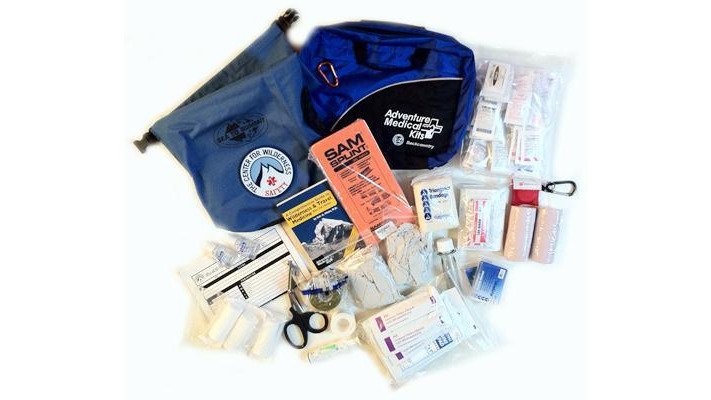
The best all-around pick for large crews is the High Adventure CREW First Aid Kit. It packs over 250 pieces for 8-12 people across 8-12 days and meets Scouts BSA recommended contents for High Adventure treks.


Northern Tier (BSA) Crew First Aid Kit
For boundary waters and paddling trips, the Northern Tier kit covers 8-12 people for up to 14 days, with an optional dry bag.
Boating First Aid Kit - CREW
Designed with input from Sea Scouts and the American Canoe Association, this kit handles extended trips on larger vessels for up to 12 people over 8-10 days. At 4 lb 5 oz, it has everything needed to care for a large group on an extended trip in a sailing or larger vessel, with over 220 pieces.
Weekender Backcountry First Aid Kit
For smaller groups, the Weekender covers 1-5 people for 3-5 days at 1 lb 7 oz. For smaller groups, the Weekender covers 1-5 people for 3-5 days at 1 lb 7 oz. At $64.99, it's a strong personal or family kit.
Ultralight Hiker First Aid Kit
At 9 ounces, this is the lightest full kit on the list. Designed by an Appalachian Trail thru-hiker, it covers 1-2 people for 5-7 days and fits in a space about the size of two phones. Designed by an Appalachian Trail thru-hiker, it covers 1-2 people for 5-7 days and fits in a space about the size of two phones.
Individual First Aid Kit
The Individual kit sits between the Ultralight and Weekender. At 15 oz and $41.99, it treats 1-2 people for 3-5 days.
North American Rescue C-A-T Tourniquet (Gen-7)
For severe bleeding, the C-A-T is the standard. It's one of only two tactical tourniquets authorized for purchase by the U.S. Army and is proven 100% effective at occluding blood flow in upper and lower extremities. At $43.99, no crew kit should skip it.
EMT Trauma Shears
Stainless steel shears that cut through athletic tape, straps, metal, and leather. Available in 5-1/2 or 7-1/2 inch lengths for $5.99.
LifeStraw Personal Water Filter
The LifeStraw removes 99.999999% of waterborne bacteria and 99.999% of parasites down to 0.2 microns, provides 4,000 liters of safe water, and has unlimited shelf life. At $19.98, it's cheap insurance.
Emergency Space Blanket
Hypothermia prevention is a core wilderness medicine skill. This mylar blanket reflects body heat, works as a shelter, and is weight-tested to 500 lbs, so it doubles as a makeshift litter. At $2.49, carry two per person.
Wilderness First Aid Kit Checklist 2026: What Every Crew Needs
A complete crew kit covers six categories: wound management, orthopedic injuries, burn and blister care, medications, tools, and documentation. Verify this checklist before you leave.
High Adventure CREW First Aid Kit →
- Nitrile gloves (minimum 2 pairs per crew member)
- Trauma shears and splinter forceps
- Irrigation syringe for wound irrigation
- Sterile gauze pads (4x4 and 2x2) and gauze rolls
- Adhesive bandages in regular, knuckle, and fingertip sizes
- Elastic wrap and triangular bandages for splinting
- Moleskin and hydrocolloid blister dressings
- Antiseptic wipes, povidone-iodine wipes, and topical antibiotic
- Oral rehydration salts or electrolyte tablets
- Antihistamine, pain relief medication, and antidiarrheal tablets
- Emergency space blanket and CPR mask
- SOAP notes for patient documentation
Pro Tip
Pack medications in individual waterproof resealable poly bags. It keeps pills dry when a creek crossing goes wrong.
OSHA First Aid Kit Requirements for Remote Work
If your crew is on the clock, trail crews, survey teams, utility linemen, wildland firefighters, film crews, research teams, the kit is not just gear. It is a compliance item under OSHA [first aid(/products/northern-tier-bsa-crew-first-aid-kit) requirements for workplaces | osha.gov] and the general duty clause at 29 U.S.C. § 654(a)(1).

What OSHA Actually Requires
- Readily available supplies. OSHA's medical and first aid standard (29 CFR 1910.151) requires first aid supplies be readily available at the worksite, reachable within seconds, not locked in a truck two ridges back.
- Trained responders. In the absence of an infirmary, clinic, or hospital in near proximity, a person trained to render first aid must be available. "Near proximity" is generally interpreted as three to four minutes for serious injury, which almost never applies in the backcountry. That means at least one crew member with current first aid and CPR certification, ideally a Wilderness First Responder (WFR) or Wilderness First Aid (WFA) card on every crew.
- Eye flushing. Where corrosive materials are present, OSHA requires quick drenching or flushing of eyes and body within the work area, on remote crews handling fuel, battery acid, or caustic dusts, a portable eyewash bottle or gravity-fed station in the kit.
- Bloodborne pathogens. 29 CFR 1910.1030 requires gloves, eye protection, and a method to dispose of contaminated sharps and materials. Nitrile gloves, a CPR mask with a one-way valve, and a sharps container are not optional.
- Logging and inspection. OSHA does not prescribe an inspection interval, but supplies must be maintained. Keep a written log: date, inspector, items used, items replaced. It's also your defense if an incident is reviewed.
ANSI/ISEA Z308.1 and Kit Classification
OSHA does not certify kits. The consensus standard most safety managers follow is ANSI/ISEA Z308.1, which classifies workplace kits into Class A (common injuries) and Class B (higher risk, more complex injuries). Remote crews almost always fall into Class B because of distance to definitive care and trauma potential.
A Class B kit typically includes:
- Adhesive bandages in multiple sizes
- Sterile gauze pads and rolls
- Trauma dressings and a tourniquet
- Triangular bandages and splint materials
- Nitrile gloves and a CPR barrier
- Burn dressings and irrigation supplies
- Scissors, tweezers, and a thermometer
- Emergency blanket
What This Means in Practice for a Remote Crew
- Assign a kit owner. One named person inspects the kit before every shift and logs the check. Rotate the role so no one is a single point of failure.
- Match the kit to the hazard assessment. A chainsaw trail crew needs more trauma supplies than a hand-tool survey crew. Document the hazard assessment and kit contents side by side.
- Carry the kit on the person, not the vehicle. If the crew splits up, the kit goes with the largest sub-group, and each solo worker carries a smaller personal kit.
- Train beyond the card. A current WFA or WFR certification is the baseline. Scenario drills, tourniquet application, splinting, patient packaging, make it stick.
- Plan for evacuation. OSHA expects prompt medical attention. For a crew two hours from a trailhead, that means a written evacuation plan, a satellite messenger or PLB, and a designated litter or carry system.
Watch Out
A kit that's never inspected is a kit you can't trust, and on a worksite, it's also a compliance exposure. Expired medications, dried-out antiseptic wipes, and missing tourniquets are the three most common failures found during incident reviews.
Key Takeaway
For remote work crews, treat the kit as three things at once: a medical resource, a compliance record, and a training tool. The kit owner logs it, the crew trains with it, and the hazard assessment drives what goes in it.
First Aid Kit Maintenance Schedule for Outdoor Crews
Set a maintenance schedule and stick to it: inspect quarterly, full restock annually.
| Frequency | Task | What to Check |
|---|---|---|
| Before every trip | Visual check | Missing items, damaged packaging, seal integrity |
| Quarterly | Expiration audit | Medications, wipes, ointments, adhesives |
| Annually | Full restock | Replace all expired items, verify tool function |
| After any use | Log and refill | Record what was used, restock within one week |
Environmental Checklists, Sustainability, and Psychological First Aid
Generic kits fail in specific places. The 250-piece crew kit that works on a temperate ridge trip is wrong for a desert canyon, high-altitude alpine route, or humid coastal paddle. Build a base kit, then layer an environment module on top.
High-Altitude Module (Above 8,000 ft)
- Extra emergency space blankets (two per person), cold stress compounds with altitude
- Discuss altitude illness prophylaxis with a physician before departure
- Sunscreen SPF 50+ and lip balm with SPF, UV intensity rises roughly 4-5% per 1,000 ft
- Extra oral rehydration salts; dry air and rapid breathing accelerate fluid loss
- SAM splint and elastic wrap for ankle and knee injuries, which spike on scree
Desert and Arid Module
- Double the oral rehydration salts and electrolyte tablets
- Electrolyte mix with sodium, potassium, and magnesium, plain water can dilute serum sodium on long hot days
- Broad-spectrum sunscreen, wide-brimmed hat, and cooling neck wraps
- Triple blister care: hot sand and sweat destroy feet faster than cold and dry
- Snakebite and scorpion sting reference card
- Tweezers and tick twister for cactus spines and desert arthropods
Humid, Wet, and Water-Based Module
- Waterproof dressings (Tegaderm, Opsite), standard gauze becomes a bacterial incubator when wet
- Antifungal powder and cream for tinea and intertrigo in groin, feet, and skin folds
- Motion sickness medication (meclizine, dimenhydrinate) and rehydration mix
- Dry bag or hard case for the entire kit; assume it will be submerged at least once
- Extra nitrile gloves, wet hands tear gloves faster
- Biohazard bags rated for wet contents
Cold and Winter Module
- Extra emergency blankets and a bivy sack
- Chemical heat packs, large body packs for torso warming, not just hand warmers
- Frostbite assessment card
- Petroleum jelly for exposed skin and a lip balm that won't freeze
- Splinting materials that stay flexible in cold, SAM splints stiffen; test before relying on them
Sustainability and Medical Waste in Leave No Trace Environments
- Sharps: Never bury, never leave behind. Carry a hard-sided sharps container or heavy-duty plastic bottle with a screw-top lid. Tape the lid shut before packing out.
- Blood-soaked gauze and dressings: Double-bag in biohazard or heavy-duty resealable bags, then pack out with your trash. Do not burn.
- Medication waste: Pack out expired or unused pills and dispose of them through a pharmacy take-back program, not flushed or buried.
- Human waste in the backcountry: Follow Leave No Trace principles, catholes 6-8 inches deep and 200 feet from water, trails, and camp in most environments, or a wag bag in fragile or high-use areas.
- Contaminated clothing: Bag it, don't rinse it in a stream. Bloodborne pathogens don't belong in watersheds.
Pro Tip
Build a small "medical waste kit" inside your main kit: two heavy-duty resealable bags, one hard-sided sharps container, and a permanent marker to label contents. It weighs almost nothing and keeps you compliant with Leave No Trace ethics.
Psychological First Aid: The Skill No Kit Ships With
Psychological first aid is not therapy, it's a set of concrete actions that stabilize a patient until definitive care arrives.
- Assess for shock. Pale skin, rapid pulse, confusion, and restlessness after trauma signal hypovolemic or psychogenic shock. Lay the patient down, elevate legs if no spinal injury is suspected, and keep them warm.
- Name what you're doing. "I'm going to wrap your ankle now. This will feel tight." Narration reduces panic and builds trust.
- Control your own voice. Speak slowly and at a lower pitch than normal. Crews mirror the tone of the person in charge.
- Give the patient a job. Asking them to hold a bandage, count breaths, or watch the time restores control and reduces helplessness.
- Separate the crowd. Bystanders amplify panic. Assign them specific tasks away from the patient.
- Watch for acute stress reactions. Shaking, crying, dissociation, and hyperventilation are normal in the first hour. Don't restrain; guide breathing and keep the patient oriented to place and time.
- Debrief after, not during. Once the patient is stable and evacuated, give the crew space to talk through what happened. Untreated stress reactions compound on multi-day trips.
Pair Your Kit With a Communication Plan
Supplies only help if help can be reached. A satellite messenger or personal locator beacon belongs in every remote-work crew kit. Program it before departure: test messages, confirm the emergency contact, and know how to trigger an SOS without a phone screen. Pair it with a written evacuation plan, who calls, who stays with the patient, who leads the rest out.
Conclusion
Building a crew kit that works means matching supplies to group size, trip length, and environment, then keeping it current.
Frequently Asked Questions
What should be in a wilderness first aid kit for a crew?
A crew kit should include gauze pads, adhesive bandages, elastic wrap, trauma shears, nitrile gloves, antiseptic wipes, moleskin, and a tourniquet. Add oral rehydration salts, antihistamine, pain relief medication, and an emergency blanket. The High Adventure CREW First Aid Kit carries over 250 pieces for 8-12 people, and the Ultralight Hiker kit weighs 9 oz for smaller groups.
How do you maintain medical supplies for outdoor work teams?
Set a first aid kit maintenance schedule and stick to it. Check expiration dates every three months, replace anything used immediately, and inspect packaging for water damage after every trip. Keep medications in waterproof resealable poly bags. A written log of what was used and when helps you restock before the next outing rather than discovering gaps in the field.
What are the OSHA first aid kit requirements for remote outdoor settings?
OSHA 1910.151 requires that medical supplies be available for injured employees. For remote work, OSHA expects supplies appropriate to the hazards and distance from medical care. There is no fixed item list, so many crews build to the Scouts BSA or wilderness first responder standard instead. Document what you carry and train someone to use it.
How often should outdoor crews restock their medical kits?
Restock after every trip where supplies were used, and do a full inventory at least twice a year. Medications typically expire within one to three years, so check those dates quarterly. Replace torn packaging, dried-out wipes, and anything exposed to moisture. Kits from RestockYourKit.com ship with the longest medication expiration dates possible, which gives you more time between full replacements.
What is the difference between a standard and wilderness first aid kit?
A standard kit handles minor cuts and scrapes with adhesive bandages, gauze pads, and antiseptic wipes. A wilderness kit assumes delayed EMS response. The North American Rescue C-A-T Tourniquet and EMT Trauma Shears belong in a wilderness kit. The Boating First Aid Kit - CREW is designed to address common injuries and illnesses encountered while boating on a larger vessel for an extended period of time.