

Cart
0

Table of Contents
- Sour Crop Symptoms in Chickens: What to Look For
- How to Treat Sour Crop in Chickens Naturally
- How to Give Liquid Medication to a Chicken Safely
- When to See a Vet for Sour Crop
- Preventing Sour Crop: Daily Habits for a Healthy Flock
- What to Feed a Chicken with Sour Crop
- Conclusion
- Frequently Asked Questions
Last Updated: October 13, 2026
Sour Crop Symptoms in Chickens: What to Look For
A chicken with sour crop usually shows a squishy, swollen balloon at the base of the neck, bad breath, and little interest in food.
Sour crop, also called crop stasis, happens when the pouch at the base of a chicken's throat stops emptying.
It is not the same as an impacted crop. An impacted crop feels hard and tight, like a golf ball under the skin.
Early Warning Signs
The signs build in a predictable order:
- A puffy, droopy crop that stays full overnight
- Sour or yeasty breath when the bird opens its beak
- Shaking the head or flicking the neck
A healthy crop empties overnight, the single most useful test you can run. Check your birds at roost and again first thing in the morning. If the crop is still full at dawn, something is wrong.
How to Treat Sour Crop in Chickens Naturally
Most mild cases of sour crop respond to a simple three-step routine at home within 24 to 48 hours: empty the crop, restore normal movement, and rebuild the good bacteria that keep digestion working.
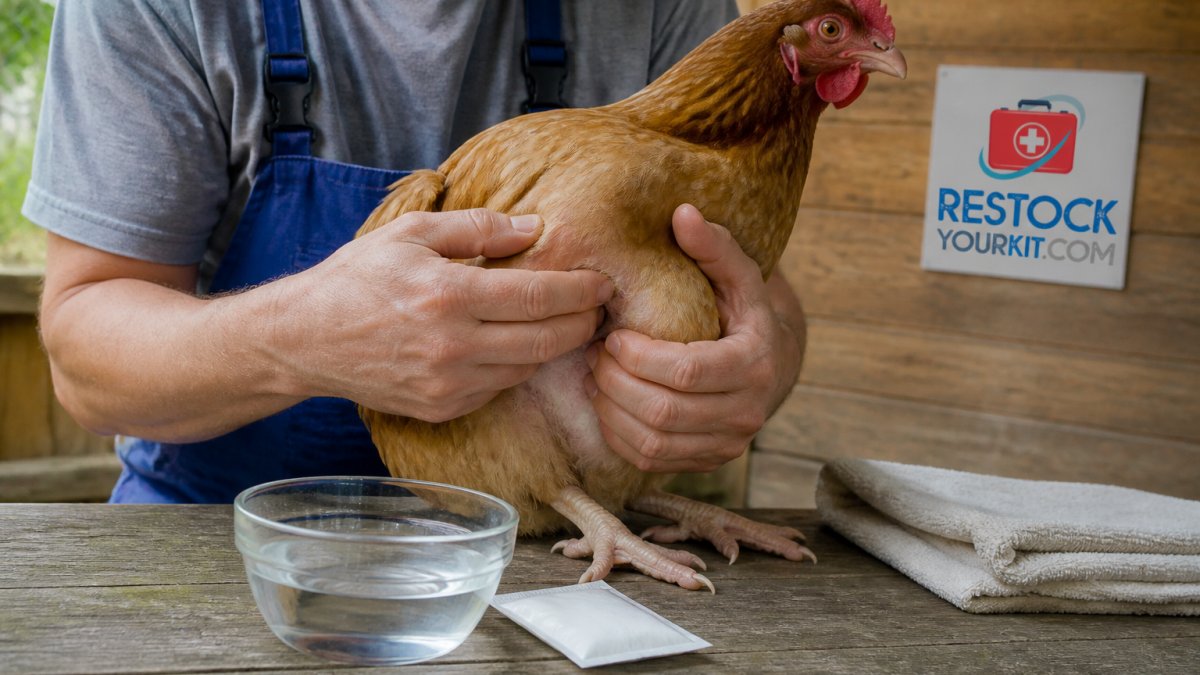
This is where a lot of keepers go wrong: they panic, try five things at once, and make the bird worse. Slow down and work through the steps in order.
Step 1: Isolate and Withhold Food
Move the bird to a quiet, warm spot away from the flock. Remove all food for 12 to 24 hours.
Do not remove water, dehydration makes crop stasis worse. Offer fresh water in a shallow dish so the bird cannot gulp air while drinking.
Isolation lets you monitor droppings and crop size without guessing, and stops flockmates from pecking at a weak bird.
Step 2: Massage the Crop Gently
Massage is the part most people rush. Do it slowly.
- Hold the bird facing away from you, supported under the breast.
- Cup the crop with your fingers, just below the throat.
- Press gently and move your fingers in small circles downward.
- Work for 30 to 60 seconds, then rest.
- Repeat every few hours.
Stop immediately if the bird vomits or gasps. Never tip a chicken upside down to drain the crop, that old forum trick can push liquid into the airway, and birds have died that way.
Watch Out
Never hold a chicken upside down to empty a sour crop. Fluid can enter the windpipe and cause aspiration, which kills fast. Gentle massage and time are safer.
Step 3: Offer Probiotics and Electrolytes
After the fasting window, reintroduce support before food. Probiotics and electrolytes restore the gut bacteria that fermentation wiped out.
Add a poultry probiotic and electrolyte powder to fresh water.
Then offer a small amount of soft food, scrambled egg, plain cooked oatmeal, or moistened mash.
For ongoing digestive support, ZYFEND A contains enzymes, essential oils, and yucca schidigera to support normal digestion, with no egg withdrawal period.

How to Give Liquid Medication to a Chicken Safely
Giving liquid by mouth is where careful keepers accidentally hurt their bird.
Chickens have an opening in the roof of the mouth that leads to the airway, and liquid that hits it goes straight to the lungs.
Here is the method we recommend:
- Wrap the bird in a towel so the wings stay tucked.
- Hold the head level, never tilted back.
- Use a syringe or dropper without a needle.
- Place a drop at the side of the beak, near the corner.
- Let the bird swallow before adding another drop.
- Give no more than a few drops at a time.
If the bird coughs, sneezes, or shakes its head, stop and let it settle. Rushing is how aspiration happens.
For flock-wide treatment, medicated water is easier and safer than dosing birds one by one.
VetRx Poultry Remedy can be used this way.

Pro Tip
Warm the liquid slightly before dosing a single bird. A few seconds in your hand is enough. Cold liquid startles the bird and makes it jerk its head, which is exactly when aspiration happens.
When to See a Vet for Sour Crop
Home care works for mild, simple crop stasis, but not every bird. The difference between "wait another day" and "call now" comes down to a handful of observable signs.
A 48-Hour Monitoring Framework
Check the bird at three points, morning, midday, and roost, and record crop size, appetite, droppings, and activity. That log tells you more than any single glance.
| Time point | What to check | What "improving" looks like | What "not improving" looks like |
|---|---|---|---|
| Morning | Crop size before food | Noticeably smaller than at roost, ideally flat | Same size or larger than at roost |
| Midday | Appetite and interest | Picks at soft food, drinks on its own | Turns away from food, ignores water |
| Roost | Droppings and activity | Passing stool, moving around, alert eyes | No droppings, hunched, eyes half-closed |
Most mild cases show the first real improvement within 24 to 48 hours. If the crop is still full at the 48-hour morning check, that is your signal to escalate.
Red Flags That Mean Stop Home Care
Some signs mean the problem has moved past what massage and probiotics can fix. Do not wait on these:
- The crop feels hard and tight instead of soft and doughy, this points to impaction, not stasis
- No droppings for 24 hours or more, suggests a blockage further down the digestive tract
- Labored breathing, gasping, or breathing with the beak open
A hard crop may need surgical removal. A crop that will not empty at all may indicate a blockage in the proventriculus or gizzard. Neither is a home-remedy situation, and delay makes both harder to treat.
Why Diagnosis Matters Before You Treat
Sour crop is a symptom, not a diagnosis. The underlying cause changes what treatment works, and treating the wrong cause can make things worse.
- Yeast overgrowth (candidiasis), the classic sour crop. Soft, doughy crop, sour breath. Responds to crop emptying, probiotics, and in stubborn cases an antifungal prescribed by a vet.
- Impacted crop, hard, tight crop from long grass, bedding, or foreign material. Massage alone will not clear it. May need lubrication, fluids, or surgery.
- Bacterial infection, less common, but possible. Usually accompanied by fever, lethargy, and abnormal droppings. Requires a vet to confirm and prescribe the right antibiotic.
This is why antibiotics are not a first-line sour crop treatment. Sour crop is usually a yeast and motility problem, not a bacterial one, and antibiotics can wipe out the gut bacteria the bird needs to recover.

What to Bring to the Vet Visit
A vet can do more with good information than a vague description. Bring:
- Your monitoring log (crop size, appetite, droppings, activity over the last 48 hours)
- A photo or sample of recent droppings
- The exact timeline: when you first noticed symptoms, what you tried, and how the bird responded
If you cannot reach a poultry-experienced vet, many state agricultural extension services and poultry diagnostic labs offer guidance.
Watch Out
Do not give an antibiotic, dewormer, or any medicated product without confirming the cause first. Treating the wrong condition wastes time, can worsen the crop, and may leave drug residues in eggs or meat if withdrawal periods are ignored.
Preventing Sour Crop: Daily Habits for a Healthy Flock
Prevention comes down to three things: clean water, the right food, and a crop that empties every night. Get those right and sour crop becomes rare.
The Three Pillars, With the Why
Clean water. A dirty waterer grows biofilm, a slimy layer of bacteria and yeast that directly inoculates the crop.
Dry, mold-free feed. Mold produces mycotoxins that irritate the crop lining and slow motility. Store feed in a sealed bin, use it within a few weeks, and toss anything musty or clumped.
A crop that empties overnight. This is the single best health signal you have. Check crops at roost once a week.
Daily and Weekly Habits
- Refresh drinking water daily; scrub waterers weekly (twice weekly in summer)
- Keep feed dry and store it in a sealed bin; discard moldy or clumped feed
- Avoid long grass clippings, large amounts of bread, and sugary scraps
Long grass is a bigger culprit than most people realize. Chickens love it, but it balls up in the crop and blocks the exit. Chop clippings under an inch before tossing them in.
Safe Use of Prevention Products
When you do reach for a product, use it correctly. The label is not a suggestion.
Probiotics and electrolytes. These support normal gut bacteria and hydration.
Digestive support products. Enzyme and botanical blends can support normal digestion. Follow the label for dosing and duration.
Antibiotics. Only use under veterinary direction, and only when the cause is confirmed bacterial.
Keep a simple flock log, date, product, dose, and withdrawal period for anything you give. When you sell or eat eggs, you will know exactly when they are clear.
When Prevention Fails
If one bird keeps getting sour crop despite good habits, the problem is likely not the crop. Recurring stasis usually points to a parasite load, underlying disease, or a diet issue that needs a vet's eye. Treat the cause, not just the symptom.
Key Takeaway
A crop that empties overnight is the best health signal you have. Check it once a week at roost. It takes ten seconds and catches problems days before symptoms show. And when you use any product, read the label for dose and withdrawal, that is the difference between a healthy flock and a residue problem.
What to Feed a Chicken with Sour Crop
Feed soft, low-fiber food for the first few days, then return to normal feed slowly. A healing crop needs easy work, not a challenge.
Good options during recovery:
- Scrambled or hard-boiled egg
- Plain cooked oatmeal or rice
- Moistened chick starter or mash
- Plain unsweetened yogurt in small amounts
Foods to avoid until the bird is fully back to normal:
- Dry pellets and crumbles, which are hard to move
- Long grass, hay, and fibrous greens
- Bread, pasta, and sugary scraps
- Anything moldy or fermented
Transition back over three to four days. Mix a little normal feed into the soft food, then increase the ratio.
If the crop stays soft and empty overnight for three nights in a row, the bird is ready for regular feed.
Conclusion
Sour crop rewards a calm, patient keeper and punishes a panicked one.
Having the right supplies on hand before you need them makes all the difference. RestockYourKit.com stocks specialized poultry first aid supplies, including VetRx Poultry Remedy, ZYFEND A digestive support, and our Deluxe Backyard Chicken First Aid Kit.
Get started with RestockYourKit.com and keep your flock ready for whatever the season brings.
Frequently Asked Questions
How can you tell if a chicken has sour crop?
A chicken with sour crop typically has a visibly swollen, squishy crop that feels like a water balloon. You may notice a foul odor coming from the beak, reduced appetite, lethargy, and frequent head shaking or attempts to vomit. The chicken might also have difficulty breathing if the crop is very full. Check the crop first thing in the morning before the chicken eats; a normal crop should be empty after overnight fasting. If it still feels full and doughy, sour crop is likely.
Can apple cider vinegar help sour crop in chickens?
Apple cider vinegar (ACV) is a popular home remedy, but it is not a cure for sour crop. Some keepers add raw ACV to drinking water at a rate of 1 tablespoon per gallon to support digestive health and discourage yeast overgrowth. However, ACV alone will not clear a crop that is already impacted or infected. Use it as a preventive measure or supportive care, not as a standalone treatment. Always consult a veterinarian if symptoms persist beyond 24 hours.
How long does sour crop take to improve?
With early intervention, many chickens show improvement within 24 to 48 hours. Mild cases may resolve after one day of fasting and supportive care. If the crop remains full or the chicken worsens after two days, the condition may be more serious, such as an impacted crop or infection requiring veterinary treatment. Monitor droppings, appetite, and crop emptying daily. Recovery time depends on the underlying cause and how quickly you start treatment.
What should a chicken with sour crop eat and drink?
Start by withholding food for 12 to 24 hours, but always provide fresh water. After fasting, offer small amounts of easy-to-digest foods like scrambled eggs, plain yogurt, or soaked feed. Probiotics and electrolytes can help restore gut balance. Avoid treats, scratch grains, and fibrous vegetables until the crop is empty and normal droppings return. Gradually reintroduce regular layer feed over a few days. If the chicken refuses to eat or drink, contact a vet.


