

Cart
0
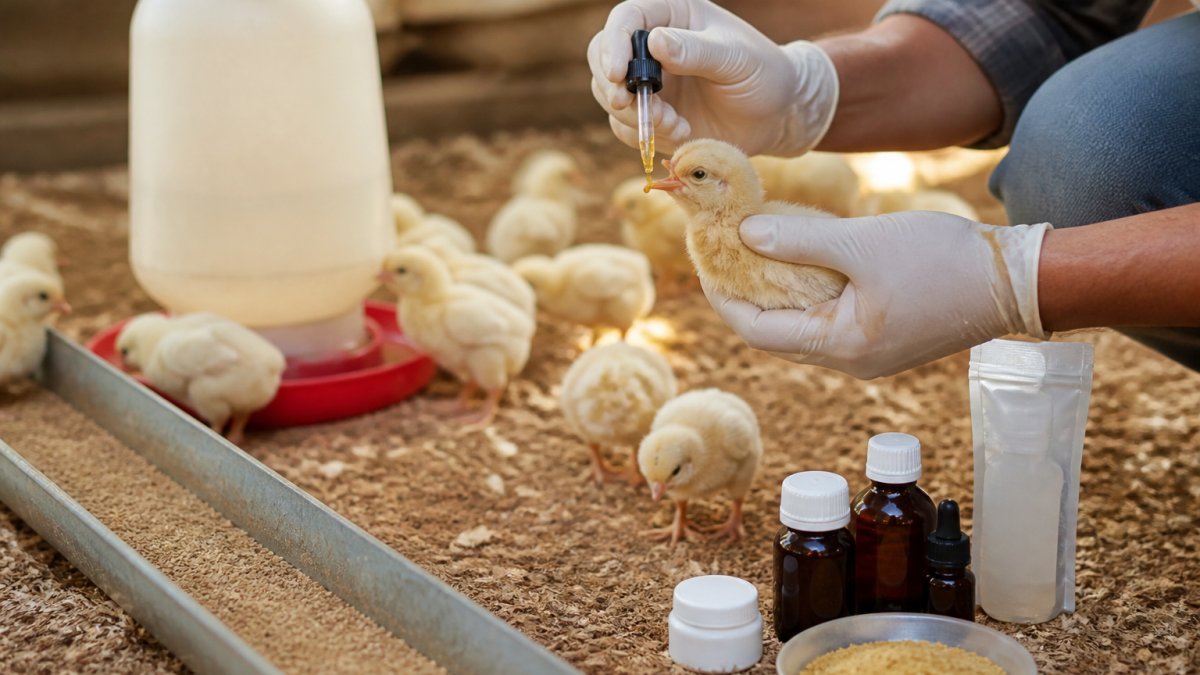
Table of Contents
- Coccidiosis Symptoms in Chicks: Catch It Early
- Medicated vs Non-Medicated Chick Starter: Which to Choose
- Litter Management and Moisture Control to Prevent Coccidiosis
- Amprolium Dosage for Chicks: Using CORID Correctly
- Biosecurity Protocols for Small Flocks
- Seasonal Management Variations for Coccidiosis Prevention
- Post-Vaccination Management and Diagnostic Decision Tree
- Frequently Asked Questions
Last Updated: October 1, 2026
Coccidiosis Symptoms in Chicks: Catch It Early
Learning how to prevent coccidiosis in young chicks starts with knowing what a sick bird looks like. Coccidiosis is an intestinal disease caused by microscopic parasites called coccidia, which multiply inside the gut and damage the intestinal lining. This guide walks you through the practical steps that keep a small flock healthy, from brooder setup to post-vaccine care.
The first sign is usually bloody droppings. You may also see:
- Lethargy and droopy wings
- Ruffled, dull feathers
- Pale comb and wattles
- Huddling near the heat lamp
- Sudden drop in eating or drinking
Young chicks are most at risk between 3 and 8 weeks old. Watch for dehydration too, since diarrhea drains fluids fast. Many keepers mistake early signs for a chill or stress. By the time chicks look truly weak, the parasitic load is already high.
A common mistake is waiting for obvious blood before acting. Subclinical infection can slow growth for weeks with no visible symptoms at all.
Key Takeaway
Weigh your chicks weekly. A chick that stops gaining weight is often the first clue, well before droppings change.
Medicated vs Non-Medicated Chick Starter: Which to Choose
Medicated chick starter contains a coccidiostat, most often amprolium, that slows coccidia growth while chicks build natural immunity. Non-medicated starter has no drug added. Neither is "better" in every case. The right pick depends on your flock's exposure, your vaccination plan, and how long you intend to feed starter.
How amprolium actually works. Amprolium is a thiamine analog. It competes with thiamine (vitamin B1) at the parasite's transport sites, starving coccidia of a nutrient they cannot make on their own. Chickens tolerate this because they can absorb thiamine from other sources and because the drug's affinity for the parasite's transporter is higher than for the bird's. That mechanism is why the drug is classified as a coccidiostat rather than a coccidiocide, it does not kill coccidia outright. It holds them at a low level so the chick's immune system can catch up and develop its own protective response. Stop the drug too early and the parasite rebounds; stop it too late and you delay natural immunity.
The immunity timeline matters. A chick on amprolium typically needs 6 to 8 weeks of continuous medicated feed to build solid immunity against the coccidia species present on your ground. If you pull medicated feed at 3 weeks because the chicks look fine, you have suppressed the parasite without teaching the gut to defend against it. The result is often a clinical outbreak at 5 to 7 weeks, right when the birds are transitioning to the coop and eating off the ground.
Choose medicated starter when:
- Chicks are on the ground or in a coop with soil
- You have raised poultry on the same ground before
- Your chicks were not vaccinated for coccidiosis
- You plan to keep the flock on the same pasture long-term
Choose non-medicated starter when:
- Chicks received a coccidiosis vaccine at the hatchery
- Your brooder is brand new and kept very clean
- You are raising a small batch that will move to fresh ground
The vaccine conflict. Coccidiosis vaccines (most commonly sold under the Coccivac and Immucox lines) use live, attenuated or low-dose oocysts. They work by seeding the gut with a controlled infection so the chick develops immunity. Feeding amprolium at the same time wipes out that seed dose and cancels the vaccine. If your chicks were vaccinated, feed non-medicated starter for at least 3 weeks after arrival, many hatcheries recommend waiting until 4 to 6 weeks before introducing any amprolium, and only then if you see clinical signs.
The supplement conflict. Amprolium works by blocking thiamine. If you feed medicated starter, do not also add vitamin supplements, brewer's yeast, or thiamine-rich treats like sunflower seeds and leafy greens. That cancels out the drug. The same rule applies during any amprolium treatment. Plain chick grit, clean water, and the medicated crumble are all a chick needs during the medicated window.
Watch Out
Feeding medicated starter alongside vitamin supplements or thiamine-rich treats makes the amprolium nearly useless. Skip the vitamins and treats until the medicated feed period ends, usually 6 to 8 weeks.
A middle path many backyard keepers use. Start chicks on medicated starter in the brooder, then transition to non-medicated grower feed once they are on clean ground and have had 6 to 8 weeks of exposure. This gives them the drug-protected window when they are most vulnerable and lets natural immunity take over once their gut is mature. If you move birds to ground that has never held poultry, you can often skip medication entirely, the oocyst load is simply not there yet.
Litter Management and Moisture Control to Prevent Coccidiosis
Coccidia spread through fecal-oral transmission, and wet litter is their best friend. Oocysts, the tough egg-like stage of the parasite, need warmth and moisture to become infectious. Dry bedding breaks that cycle.
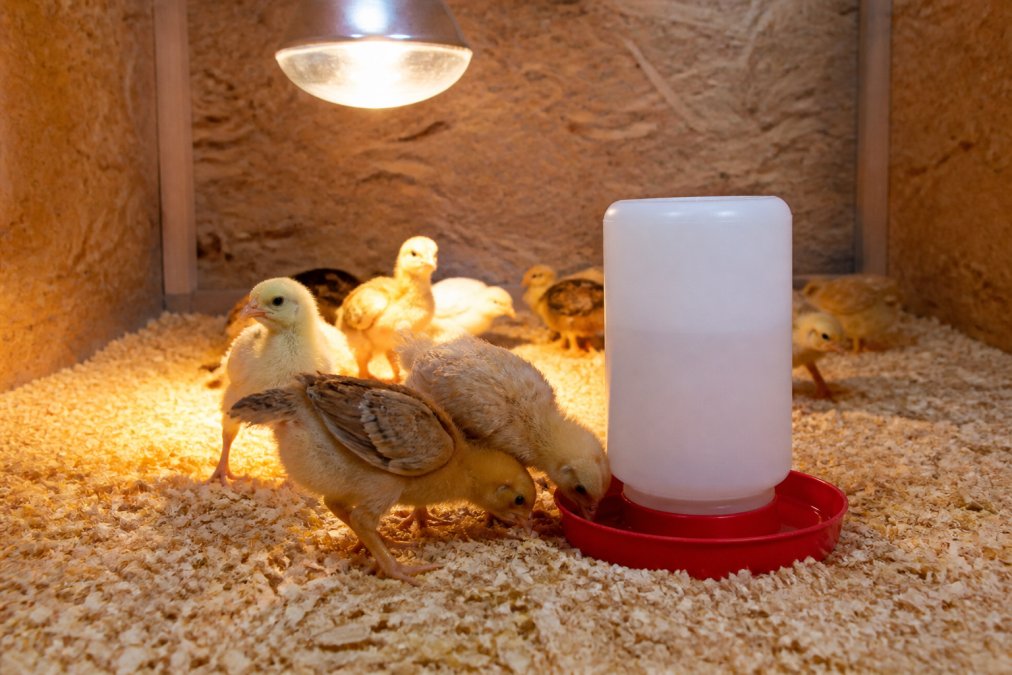
Follow these litter habits:
- Add 2 to 3 inches of dry pine shavings
- Stir litter daily to release trapped moisture
- Replace soaked patches right away
- Keep waterers off the litter on a raised base
- Check for damp spots under the heat lamp
Amprolium Dosage for Chicks: Using CORID Correctly
Label directions for the 9.6% oral solution:
CORID (amprolium 9.6%), 16oz →
- Severe outbreak: mix 2 teaspoons (10 ml) per 1 gallon of water for 5 days
- Moderate outbreak: mix 1 teaspoon (5 ml) per 1 gallon for 5 days
- Prevention: mix 1/2 teaspoon (2 to 3 ml) per 1 gallon for 10 to 21 days
When chicks refuse medicated water. Amprolium has a slightly bitter taste. Most chicks accept it without issue, but a few will cut back. If consumption drops noticeably in the first 24 hours, try:
- Moving the waterer closer to the heat lamp
- Using a shallow, bright-colored waterer chicks can see easily
- Mixing a fresh batch in a clean waterer (residue from old water can taste off)
- Briefly removing feed for 1 to 2 hours so chicks drink when feed returns
Pro Tip
Keep a dedicated measuring spoon for CORID and mark the dose on the bottle with a permanent marker. Eyeballing teaspoons in a hurry is the most common dosing error backyard keepers make.
RestockYourKit.com carries CORID (amprolium 9.6%), 16oz. One 16-ounce bottle treats roughly 60 to 90 gallons at the prevention dose, which is several brooder cycles for a backyard flock.

Biosecurity Protocols for Small Flocks
Even a handful of backyard chickens needs basic biosecurity. Coccidia oocysts survive in soil for months, so cross-contamination is the real threat. You can carry them in on boots, tools, and feed scoops.
Simple steps that work:
- Keep a dedicated pair of coop boots
- Clean waterers and feeders every few days
- Quarantine any new bird for two weeks
- Limit visitors who keep their own flocks
- Disinfect tools between coops
Seasonal Management Variations for Coccidiosis Prevention
Most guides ignore the calendar, but season changes how coccidia behave. Warm, humid months speed up oocyst development in litter and soil. Spring and summer broods face the highest pressure. Winter brings its own twist: closed-up coops trap moisture, and damp bedding invites the parasite indoors.
Adjust your routine by season:
- Spring and summer: check litter twice a day, watch for damp spots
- Fall: rake and refresh outdoor run areas before rains
- Winter: ventilate without creating drafts, and change wet bedding fast
Post-Vaccination Management and Diagnostic Decision Tree
Chicks vaccinated at the hatchery with an attenuated vaccine need careful follow-up. The vaccine uses weakened coccidia to build flock immunity. That means a small, controlled infection is the goal. Do not give amprolium for several weeks after vaccination, or you cancel the immunity you paid for.
When a chick looks sick, use this decision tree:
| What You See | Likely Cause | First Step |
|---|---|---|
| Liquid blood in droppings | Coccidiosis | Start CORID treatment |
| Lethargy, no blood | Many causes | Check water, heat, feed |
| Recent vaccination | Expected mild reaction | Monitor, no amprolium |
| Slow growth only | Subclinical infection | Fecal float test |
Pro Tip
Photograph abnormal droppings before you clean them up. Your vet can often identify the problem from a clear photo, saving you a farm call.
Frequently Asked Questions
At what age can chicks get coccidiosis?
Chicks can get coccidiosis as early as 3 to 4 weeks old, though most cases appear between 3 and 8 weeks. Before that window, chicks still carry maternal antibodies from the yolk sac that offer some protection. Once those fade and chicks start exploring the brooder floor, they pick up oocysts from litter. By 6 weeks, the immune system is still developing, so any wet bedding or overcrowding raises the risk fast.
What are the early signs of coccidiosis in baby chicks?
Watch for lethargy, ruffled feathers, huddling near the heat source, and pale combs. Bloody droppings or droppings with mucus show up once the infection is more advanced. Chicks may also stop eating or drink far more water than usual. Weigh your flock weekly; a sudden drop in weight gain is often the first clue. If you see liquid blood in droppings, isolate the chick and start treatment immediately.
Does apple cider vinegar prevent coccidiosis in chicks?
Apple cider vinegar can support gut health by lowering water pH slightly, which may slow bacterial growth, but it does not kill coccidia oocysts. Coccidia are protozoa, not bacteria, so vinegar alone will not prevent an outbreak. Use it as a small part of a broader plan that includes dry litter, clean water, and medicated starter feed or amprolium when needed. Do not rely on vinegar as a standalone treatment.
How do you sanitize a brooder to prevent coccidiosis?
Remove all bedding and scrub surfaces with a 10% ammonia solution or a commercial poultry disinfectant. Coccidia oocysts are tough and survive many common cleaners, but ammonia at the right concentration breaks them down. Let the brooder dry completely before adding fresh litter. Use a dedicated pair of boots and gloves for brooder cleaning to avoid tracking oocysts in from other areas. Repeat weekly and whenever bedding gets wet.
Coccidiosis moves fast, and a small flock has little margin for error. The keepers who stay ahead of it treat prevention as a daily habit, not a reaction. RestockYourKit.com helps you get there with hard-to-find medications in small quantities, specialized poultry first aid supplies, and free shipping on orders of $79 or more. Get started with RestockYourKit.com and build a flock health kit that is ready before you need it.


