Cart
0
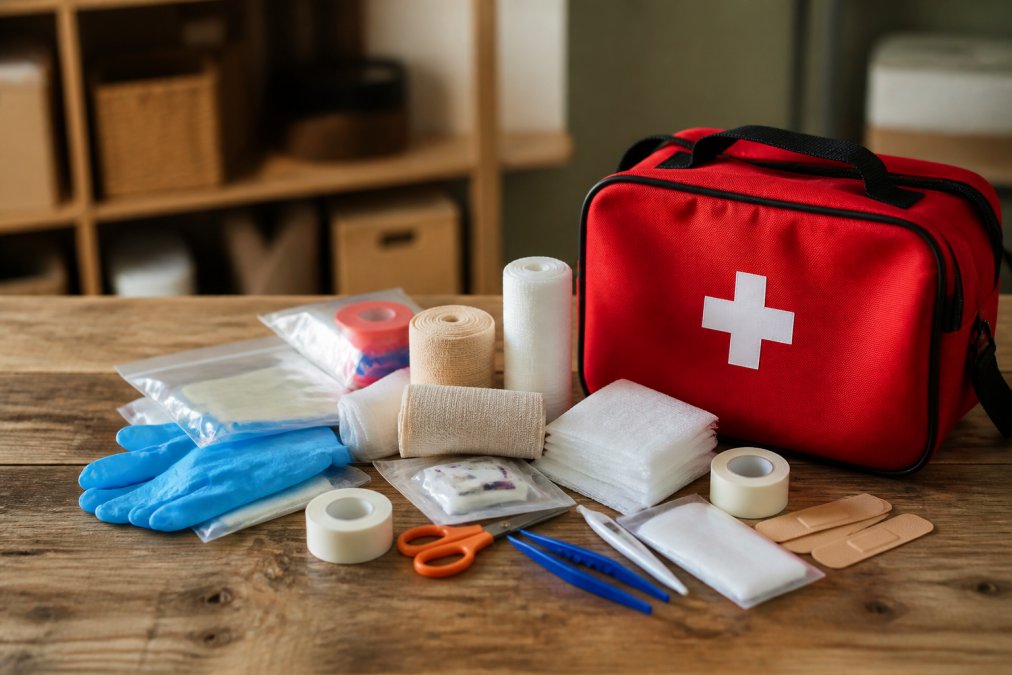
Table of Contents
- Why Buy First Aid Supplies Online Instead of Pre-Built Kits
- Quick Comparison: Best First Aid Supplies Online Alternatives
- Professional Grade First Aid Supplies Worth the Upgrade
- Custom Medical Kit Building: What to Include and What to Skip
- Bulk Medical Supply Refill Options That Cut Costs
- How to Store and Rotate Your Medical Supplies
- Conclusion
- Frequently Asked Questions
Last Updated: September 20, 2026
Why Buy First Aid Supplies Online Instead of Pre-Built Kits
Buying first aid supplies online in individual quantities lets you build a kit that matches your actual risks instead of paying for a box of items you will never open. At RestockYourKit.com, we see this shift every day: pre-built kits bundle cheap bandages with one or two useful items, then charge you for packaging and a plastic case. The result is a kit that feels complete but falls short the moment something serious happens.
Quick Comparison: Best First Aid Supplies Online Alternatives
The best first aid supplies online alternatives are individual, professional-grade components you assemble yourself rather than a single pre-packaged kit. The table below compares the core items worth buying, with real prices from our catalog.
| Item | Price | Best For | Refillable |
|---|---|---|---|
| Epi-Kit Manual Injection Kit | $6.99 | Allergy response | Yes, replace meds |
| NAR C-A-T Tourniquet (Gen-7) | $43.99 | Severe bleeding | No, single use |
| QuikClot Gauze (2-pack) | $37.98 | Trauma and wound care | No, single use |
| QuikClot Gauze (single) | $29.99 | Medium wounds | No, single use |
| AMK Trauma-Pak w/ QuikClot | $39.99 | Hikers, hunters, cars | Partial |
Professional Grade First Aid Supplies Worth the Upgrade
Not every item in a kit deserves an upgrade, but bleeding control and allergy response do. These are the two categories where cheap gear fails when it matters most, and where professional-grade supplies earn their cost. Securing these critical components requires robust storage solutions, which is why investing in durable gear bags for professionals ensures that your life-saving equipment remains organized and accessible during an emergency.

Bleeding Control: Tourniquets and Hemostatic Gauze
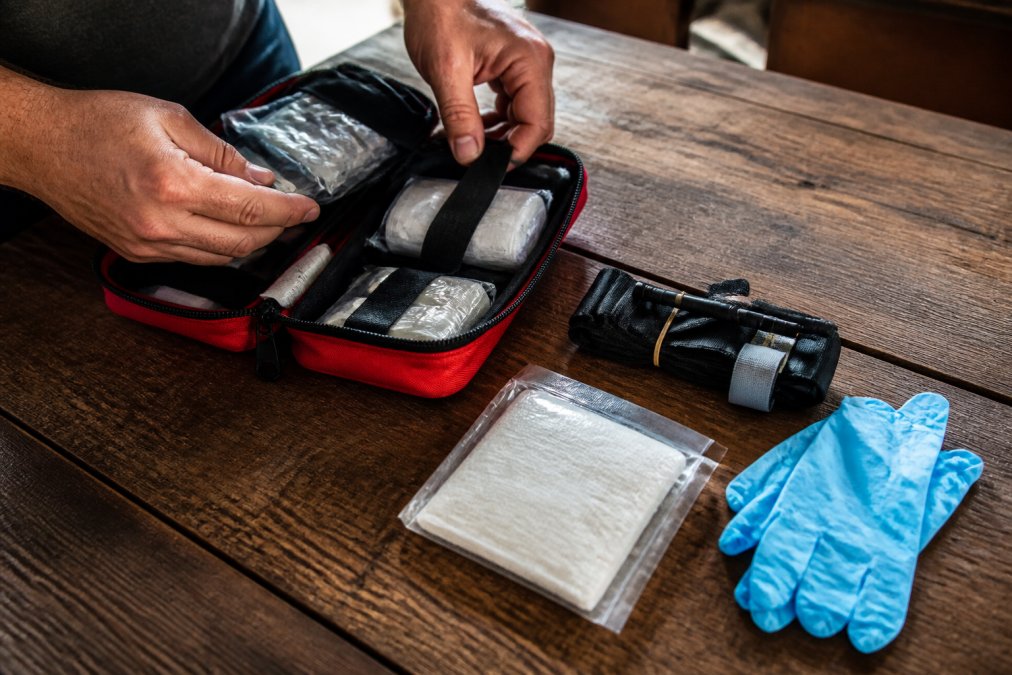
The North American Rescue C-A-T Tourniquet (Gen-7) at $43.99 is the only tourniquet we stock for our bleeding control kits. It is one of only two tactical tourniquets authorized for purchase by the U.S. Army, and the U.S. Army's Institute of Surgical Research proved it fully occludes blood flow in both upper and lower extremities. Its single-routing buckle applies faster and needs fewer windlass turns, which matters when your hands are shaking.
Watch Out
Generic tourniquets sold at low prices tend to break under real load. A failed tourniquet during a severe bleed is not a minor inconvenience. Buy only genuine, verified tourniquets.
Allergy Response: Manual Epinephrine Kits
The Epi-Kit Manual Injection Kit costs $6.99 and includes gloves, alcohol wipes, a sterile 1ml syringe with a 27g needle, a 25g hypodermic needle, two diphenhydramine packets, and printed instructions. Epinephrine itself is not included because it requires a prescription, and it can be ordered at many pharmacies with one. For outdoor groups and EMS departments watching auto-injector costs climb, manual injection delivers the same effect for far less.
Custom Medical Kit Building: What to Include and What to Skip
Custom medical kit building is the process of selecting individual supplies based on your specific risks, environment, and group size rather than accepting a generic bundle. Start with the emergencies most likely to occur where you actually go, then size the kit to the people who will actually use it.
Build Around Your Risk Profile, Not a Checklist
A kit for a solo day hiker looks nothing like a kit for a family of five with a toddler and a grandparent who takes blood thinners. Before you buy anything, answer three questions: Who is in the group? Where are you going? How far are you from definitive care?
- Solo urban commuter: compact bleeding control, blister care, a few adhesive bandages, and a CPR mask.
- Backcountry hunter or hiker: tourniquet, hemostatic gauze, trauma dressing, splinting materials, and a way to signal for help.
- Family vehicle kit: larger quantities of wound care, children's dosing supplies, and duplicates of anything a child might use.
- Workplace or jobsite: OSHA-aligned supplies (see the workplace section), plus eye wash and burn care.
Include these:
- Bleeding control: tourniquet, hemostatic gauze, trauma dressing
- Wound care: sterile gauze, medical tape, antiseptic wipes, adhesive bandages
- Protection: nitrile gloves, CPR mask, biohazard bag
- Tools: trauma shears, splinting materials, blister care
Skip these:
- Dozens of tiny bandages you will never use
- Expensive hard cases that add weight without function
- Duplicate items across multiple kits you never check
Specialized Kits for Specific Demographics
This is where most online guides stop, and where a custom approach pays off. A generic kit assumes a healthy adult. Real households rarely match that assumption.
A Practical Base Kit
Key Takeaway
Build one core trauma module, then build small demographic modules (child, older adult, chronic condition) that snap in or out depending on who is with you. That way you are not carrying children's supplies on a solo trip or leaving grandma's blood-thinner kit at home.
Bulk Medical Supply Refill Options That Cut Costs
Bulk medical supply refill options let you replace only what you used instead of buying a whole new kit. This is where buying individual quantities beats pre-built kits over time. RestockYourKit.com offers individual quantities at near-wholesale prices, so a used tourniquet or spent gauze gets replaced on its own.
How to Store and Rotate Your Medical Supplies
Store your kit somewhere you can reach in seconds, and rotate supplies before they expire. Long-term storage and expiration management is where most kits quietly fail. Sterile items and medications carry expiration dates, and expired hemostatic gauze or epinephrine may not perform when you need it.
Epi-Kit Manual Injection Kit (EpiPen →
Track Expiration Dates at the Component Level
Most guides tell you to "check your kit twice a year." That is not a system. A kit with forty items has forty different expiration dates, and a single annual glance will miss most of them.
A workable approach:
- Log every item the day it arrives. A spreadsheet or a notes app is fine. Columns: item, quantity, purchase date, expiration date, location.
- Set a recurring reminder 60 days before the earliest expiration in the kit, not on a fixed calendar date. When you replace that item, the reminder resets to the next earliest date.
- Use a first-in, first-out drawer. New items go to the back; older items come to the front. This is the same logic grocery stores use and it prevents the classic mistake of finding three expired gauze packs behind a fresh one.
- Mark the purchase date on every item with a permanent marker. You will never remember when you bought that gauze roll, and a date turns guesswork into a five-second check.
A simple rotation schedule:
| Supply Type | Check Frequency | Replace When |
|---|---|---|
| Medications | Every 6 months | Within 6 months of expiry |
| Sterile gauze | Every 6 months | Seal broken or expired |
| Tourniquets | Annually | After any use |
| Gloves and wipes | Every 6 months | Dried or torn |
| Hemostatic gauze | Every 6 months | Expired or seal compromised |
| Adhesive bandages | Annually | Adhesive fails or packaging opens |
Sourcing Supplies You Can Trust Online
Expiration tracking only matters if the items you are tracking are genuine. Counterfeit tourniquets and mislabeled hemostatic gauze are a real problem in online marketplaces, and a fake tourniquet is worse than no tourniquet because it creates false confidence.
A few practical checks when buying online:
- Buy from sellers who list the manufacturer and lot number. If a listing will not tell you who made the item, assume it is not the item you think it is.
- Prefer sellers who ship with expiration dates at least six months out. A short-dated item is a sign the seller is clearing old stock.
- Check for a return or replacement policy on dated items. A seller who will not stand behind an expiration date is telling you something.
- Be wary of prices far below the manufacturer's typical range. A genuine C-A-T tourniquet has a real cost; a $12 version is not the same product.
- Look for tamper-evident packaging. Sterile items should arrive sealed. If the seal is broken, do not use it.
Pro Tip
Photograph your kit's contents and expiration dates once a year and store the photo in your phone. When you are standing in a store trying to remember whether you already have unexpired hemostatic gauze, the photo answers the question in seconds.
Watch Out
Do not store your kit in a hot car trunk or a humid bathroom. Heat degrades medications and adhesives, and moisture compromises sterile packaging. A cool, dry, dark location, a hall closet or a gear bin, keeps supplies usable for their full shelf life.
Conclusion
The hardest part of preparedness is not buying supplies. It is keeping them current, complete, and ready for the moment you need them. Pre-built kits make that harder by hiding what is inside and locking you into items you did not choose.
Frequently Asked Questions
Is it cheaper to build your own first aid kit or buy a pre-made one?
Building your own usually costs less per item because you skip packaging and duplicate supplies you already own. A pre-made kit saves time but often includes low-cost filler items. Buying individual first aid supplies online lets you stock exactly what your household or crew needs, then refill only what runs out. Many buyers spend less over two years by refilling a custom kit than by replacing whole pre-built kits.
What are the essential items for a professional-grade trauma kit?
A serious trauma kit centers on bleeding control: a genuine C-A-T tourniquet, hemostatic gauze like QuikClot, and compression bandages. Add nitrile gloves, trauma shears, medical tape, and a CPR mask. For allergic reactions, a manual epinephrine kit with diphenhydramine packets covers anaphylaxis response. Professional grade first aid supplies meet TCCC or ANSI standards, so check the label rather than assuming a generic item performs the same way.
How do I verify the quality of medical supplies purchased online?
Check for named manufacturers, approval markings, and expiration dates before ordering. A genuine C-A-T tourniquet carries the North American Rescue branding and is CoTCCC approved; generic copies often break under load. Sterile items should arrive vacuum sealed. Reputable sellers list expiration windows up front, and RestockYourKit.com ships sterile items and medications with at least six months of shelf life remaining.
What is the difference between a standard first aid kit and an IFAK?
A standard first aid kit handles minor cuts, burns, and blisters with adhesive bandages, antiseptic wipes, and gauze. An IFAK (individual first aid kit) is built for trauma: tourniquet, hemostatic gauze, pressure dressing, and gloves. If you hike, hunt, or lead a Scout group, a trauma kit belongs in your pack alongside everyday supplies. Custom medical kit building lets you combine both layers in one bag.
How often should I replace expired first aid supplies?
Most sterile items and medications last 12 to 36 months, so check your kit every six months and replace anything expiring within that window. Rotate older stock into your car or range bag first. Bulk medical supply refill options make this cheaper because you buy individual items instead of whole replacement kits. Write expiration dates on the outside of each pouch so a quick glance tells you what needs swapping.