

Cart
0

Table of Contents
- Is Your Chicken Sick? Symptoms of Respiratory Illness in Chickens
- Chicken Respiratory Infection Symptoms: What to Look For
- Causes of Respiratory Problems in Chickens
- How to Isolate a Sick Chicken
- When to Call a Poultry Veterinarian
- How RestockYourKit.com Supports Backyard Poultry Keepers
- Frequently Asked Questions
Last Updated: October 9, 2026
Is Your Chicken Sick? Symptoms of Respiratory Illness in Chickens
A chicken that stands apart from the flock with drooping wings and labored breathing is showing you a classic sign of respiratory illness chickens get, and it's telling you something is wrong. Knowing what are the symptoms of respiratory illness in chickens helps you act fast, before one sick bird becomes a whole sick flock.
At RestockYourKit.com, we hear from backyard keepers every week who caught a problem early and want the right supplies on hand. This guide walks you through the warning signs, the causes, and the exact steps to take when your hen starts struggling to breathe.
Below, we'll show you how to spot trouble in the first day, not the first week.
Early Warning Signs You Might Miss
The earliest sign is rarely a cough. It's usually a change in energy.
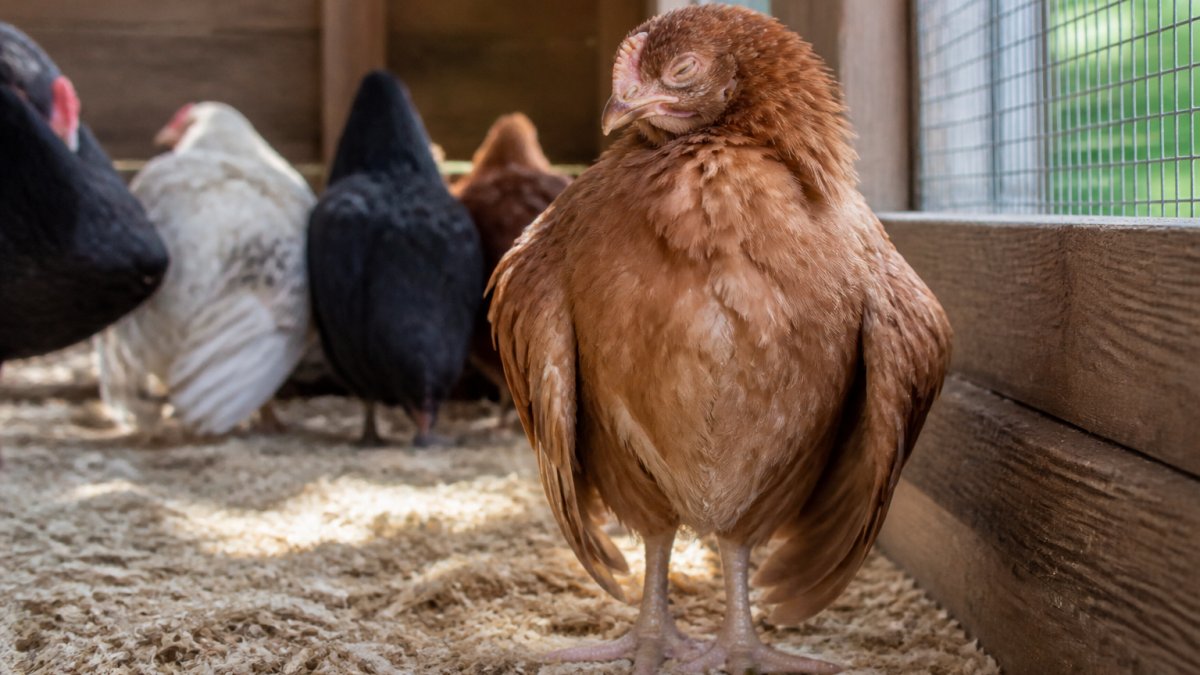
A hen that once rushed the feeder now hangs back. She may sit puffed up in a corner. You might notice she's the last to roost at night.
Watch for these quiet clues:
- Less interest in food or water
- Droopy or slightly lowered head
- Ruffled feathers, even in warm weather
- Standing still with eyes partly closed
These small shifts often show up a day or two before breathing changes. Catch them early and you have more options.
When Symptoms Point to Something Serious
Some signs mean you need to act today, not tomorrow.
Call for help right away if you see:
- Gasping or open-mouth breathing at rest
- A blue or purple tint on the comb or wattles
- Wheezing you can hear from a few feet away
- Refusal to eat or drink for more than 24 hours
A bird that can't breathe well can go downhill fast. Don't wait to see if she "snaps out of it."
Chicken Respiratory Infection Symptoms: What to Look For
Chicken respiratory infection symptoms fall into three groups: how the bird breathes, what comes out of the nose and eyes, and how she acts. Most keepers spot the behavior change first, then find the physical signs once they look closer.
Breathing Changes
Listen before you look. A healthy chicken breathes quietly and slowly.
Signs that breathing has gone wrong:
- Sneezing or snicking, a short sharp sound
- Rattling or gurgling with each breath
- Wheezing, a whistling sound on exhale
- Open-mouth breathing when the bird isn't hot
- Tail bobbing up and down with each breath
Tail bobbing is easy to miss. The tail moves in time with the belly, a sign the bird is working hard to pull air in.
Nasal and Eye Discharge
Discharge is one of the clearest signs. It's also one of the easiest to check.
Look for:
- Clear or cloudy fluid from the nostrils
- Bubbles in the corner of the eye
- Swollen, puffy eyelids
- Crusty or stuck-shut eyes in the morning
- A foul smell around the head
Any yellow or green discharge points to infection, not just irritation. That's a signal to isolate the bird and call your vet.
Behavioral Shifts
Sick chickens act different before they look different.
Watch for a bird that:
- Sits hunched with feathers fluffed
- Stops laying or lays soft-shelled eggs
- Avoids the flock and hides
- Breathes with the head stretched forward
- Loses weight around the breast
A common mistake is assuming a drop in egg production is just seasonal. In a flock with breathing issues, it's often the first domino.
The Chicken Health Handbook, 2nd Edition (paperback) →
Causes of Respiratory Problems in Chickens
Causes of respiratory problems in chickens range from poor air quality to contagious disease. Most backyard cases trace back to one of a few common sources.
The big ones:
- Poor ventilation. Ammonia builds up in closed coops and burns the airway.
- Dust and bedding. Fine shavings and dry droppings irritate the lungs.
- Damp, cold conditions. Wet litter and drafts stress the birds.
- Contagious disease. Bacteria and viruses spread fast in a tight flock.
- Parasites. Some worms and mites wear down a bird's defenses.
When it comes to respiratory illness chickens face indoors, ammonia is the silent culprit. If you can smell it, it's already too strong for your birds' lungs.
Watch Out
Never close up a coop tight to keep birds warm in winter. Trapped ammonia and moisture cause more respiratory illness than cold air ever will. Crack a vent and keep the litter dry.
How to Isolate a Sick Chicken
Isolating a sick chicken is the single best move to protect the rest of your flock. Do it the moment you spot symptoms.
Here's how we'd do it:
- Set up a separate crate or pen away from the coop.
- Use fresh bedding and its own food and water dishes.
- Keep the space warm, quiet, and well-ventilated.
- Wear gloves and wash your hands after every visit.
- Care for healthy birds first, sick birds last.
Watch the isolated bird for 24 to 48 hours. Note what you see: breathing sounds, discharge, appetite, droppings. That record helps your vet make a fast call.
Keep the sick bird apart until she's been symptom-free for at least two weeks. Rushing her back can restart the whole problem.
When to Call a Poultry Veterinarian
Call a poultry veterinarian when a bird gasps, stops eating, or shows colored discharge. Those signs move fast, and some respiratory diseases need prescription treatment that you can't buy over the counter.
Reach out right away if:
- Breathing is labored or noisy
- The bird won't eat or drink
- Discharge turns yellow or green
- More than one bird shows symptoms
- The bird is pregnant, very young, or already weak
Many vets now offer phone or video consults for backyard flocks. A quick call can tell you whether to treat at home or bring the bird in. For anything that looks like a contagious disease, a vet's diagnosis protects every bird you own.
Pro Tip
Take a short video of the sick bird breathing before you call. Vets can often hear a rattle or wheeze on video that's hard to describe over the phone, and it speeds up the diagnosis.
How RestockYourKit.com Supports Backyard Poultry Keepers
A sick chicken is stressful enough without hunting for supplies at midnight. That's where we come in.
RestockYourKit.com builds custom first aid kits for backyard flocks. Our Deluxe Backyard Chicken First Aid Kit packs the tools and treatments keepers reach for most, including VetRx Poultry Remedy, Sav-a-Chick Probiotic & Electrolytes, and a 20-card care set covering respiratory care and more.

The Basic Backyard Chicken First Aid Kit covers the essentials for smaller flocks at a lower cost. Both ship with items in waterproof resealable bags and are built to order for the longest possible expiration dates.
We also stock single items like VetRx Poultry Remedy, 2oz, an all-natural aid for colds and croup. And for keepers who want a deeper reference, The Chicken Health Handbook, 2nd Edition by Gail Damerow includes symptom charts and treatment advice.


| Kit or Item | Price | Best For |
|---|---|---|
| Basic Backyard Chicken First Aid Kit | $49.99 | Small flocks, minor issues |
| Deluxe Backyard Chicken First Aid Kit | $129.98 | Full coverage, common and serious illness |
| VetRx Poultry Remedy, 2oz | $15.95 | Colds, croup, eye worms |
| The Chicken Health Handbook, 2nd Edition | $26.99 | Reference and diagnosis |
Free shipping applies on orders of $79 or more.
Frequently Asked Questions
What are the first signs of respiratory illness in chickens?
The earliest signs often include sneezing, clear nasal discharge, and a slight drop in egg production. You might notice your chicken shaking its head or scratching at its face. Some birds become quieter and less interested in food. Catching these symptoms early gives you the best chance to isolate the bird and prevent the illness from spreading through your flock.
How can I tell if a chicken has a respiratory infection versus allergies?
Respiratory infections typically cause thick, colored discharge (yellow or green), swollen eyes, and labored breathing. Allergies or environmental irritants usually produce clear discharge and sneezing without other symptoms. If your chicken has a fever, refuses to eat, or has trouble breathing, it's more likely an infection.
Should I isolate a chicken with respiratory symptoms?
Yes, isolate any chicken showing respiratory symptoms immediately. Use a separate coop or dog crate in a quiet, warm area away from the flock. Wear dedicated clothing and wash your hands before and after handling the sick bird. Isolation helps prevent the spread of infectious agents and allows you to monitor the chicken's condition closely without stressing the rest of the flock.
When should I call a veterinarian about a chicken's breathing?
Call a poultry veterinarian if your chicken has labored breathing, gasping, or a purple comb. Also seek help if symptoms last more than 48 hours, if multiple birds are affected, or if the chicken stops eating and drinking. Early veterinary intervention can mean the difference between a quick recovery and losing the bird. Many vets now offer telehealth consultations for poultry.
Respiratory illness in chickens rarely waits for a convenient moment. The keepers who handle it best are the ones with supplies already on the shelf. RestockYourKit.com offers custom-built poultry first aid kits, hard-to-find medications in small quantities, and flexible refills so your kit stays current. Get started with RestockYourKit.com and be ready before the first sneeze.


