

Cart
0

Table of Contents
- Understanding How Avian Influenza Spreads to Backyard Flocks
- Recognizing Avian Flu Symptoms in Chickens
- What to Do If Chickens Have Avian Flu: Immediate Response Steps
- Establishing Backyard Chicken Biosecurity Practices
- Cleaning and Disinfecting a Chicken Coop
- Monitoring Your Flock and Keeping Records
- Reporting Suspected Avian Influenza and Seeking Help
- Building Your Avian Flu Response Kit
- Frequently Asked Questions
Last Updated: October 10, 2026
Understanding How Avian Influenza Spreads to Backyard Flocks
Avian influenza spreads to backyard chickens primarily through contact with infected wild birds and waterfowl. Understanding how to manage avian flu in backyard chickens starts with knowing transmission routes, your first line of defense.
The virus spreads through direct contact with sick birds, their droppings, and contaminated water sources. Wild ducks and geese carry the virus without showing symptoms; when they visit your property and drink from your chickens' water or land near the coop, they leave viral particles behind.
Indirect transmission occurs through contaminated equipment, clothing, footwear, feed, bedding, and vehicle tires.
The H5N1 strain spreads rapidly through flocks and can cause severe illness or death within days, requiring immediate attention and prevention.
Wild bird migration seasons, particularly fall and spring, correlate with increased avian influenza cases. Cold months see higher disease activity.
Pro Tip
The most common entry point for avian flu is shared water sources. Ducks and geese visiting your pond or water trough can contaminate it in minutes. Isolate your flock's water from any wildlife access point, and change water daily.
Recognizing Avian Flu Symptoms in Chickens
Early detection saves lives. Learn these specific symptoms so you can act fast.
Infected chickens become lethargic, stop eating or drinking, huddle in corners, and show no interest in normal activities.
Physical symptoms include swelling around the eyes and face, difficulty breathing, nasal discharge, watery droppings, and purple discoloration on wattles and comb.
Egg production drops sharply or stops completely. Soft-shelled or misshapen eggs appear before production ceases entirely. Reproductive system damage from the virus causes this change.
Death can come without warning. Some infected birds die within 24 hours of showing first symptoms. Others linger for a few days. The speed varies by strain and individual bird health.
A bird acting "off" or different from its normal behavior warrants investigation.
Watch Out
Do not wait for multiple birds to show symptoms before taking action. A single sick chicken could infect your entire flock within days. Isolate any bird showing unusual behavior immediately and contact your local animal health authorities.
What to Do If Chickens Have Avian Flu: Immediate Response Steps
Step 1: Isolate the affected bird immediately. Move it to a separate enclosure away from your healthy flock. Use dedicated equipment, feeders, waterers, and tools, for the sick bird only.
Step 2: Protect yourself. Wear gloves, a mask, and dedicated clothing when handling sick birds. Wash your hands thoroughly with soap and water after any contact.
Step 3: Contact your state veterinarian or animal health office. Do not wait for confirmation. The USDA Animal and Plant Health Inspection Service maintains current contact information for state animal health officials.
Step 4: Document everything. Write down when symptoms appeared, which birds are affected, recent wildlife visits, and any new visitors or bird purchases.
Step 5: Prepare for testing. Officials may request samples from sick or dead birds. Follow their instructions exactly to avoid contaminating samples.
Step 6: Expect movement restrictions. Once avian flu is confirmed, your flock faces quarantine. You cannot move birds, eggs, or equipment off your property. This protects neighboring flocks.
| Response Step | Timing | Priority |
|---|---|---|
| Isolate sick bird | Immediately | Critical |
| Protect yourself with PPE | Before handling | Critical |
| Contact animal health officials | Within hours | Critical |
| Document symptoms and timeline | Same day | High |
| Prepare for testing | As directed | High |
| Plan for quarantine period | Immediately | High |
Establishing Backyard Chicken Biosecurity Practices
Biosecurity means controlling what enters and exits your property. It's your strongest defense against avian flu.
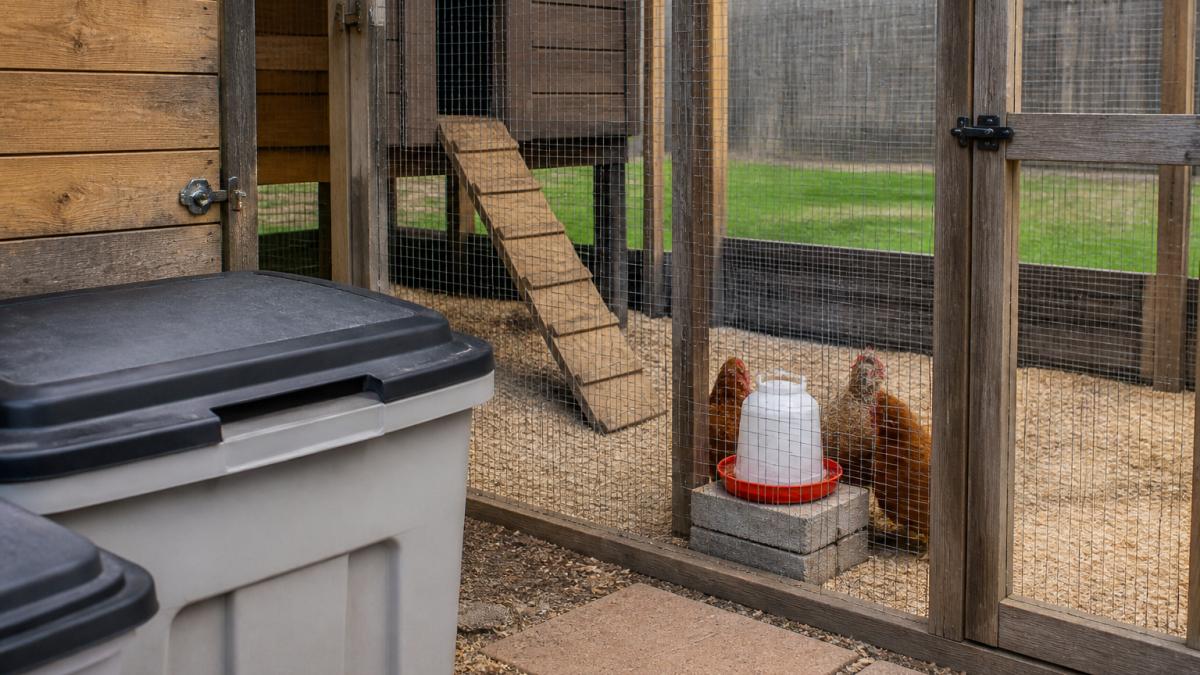
Limiting Wild Bird and Waterfowl Access
Install hardware cloth, not chicken wire, over coop openings. Hardware cloth's smaller gaps exclude wild birds that chicken wire allows through.
Cover outdoor runs completely with netting or hardware cloth on top and sides, leaving no gaps larger than half an inch.
Remove standing water that attracts waterfowl by filling puddles, covering rainwater barrels, and draining low spots.
Keep your property clear of spilled grain and seeds. Store all feed in sealed containers and clean up dropped feed immediately after chickens eat.
Position coops away from wetlands, ponds, and streams when possible.
Protecting Feed and Water from Contamination
Store feed in metal containers with tight-fitting lids. Plastic containers get chewed through by rodents and don't seal as well. Metal bins keep feed dry and protected from wildlife.
Use elevated feeders that only your chickens can reach, preventing wild birds from eating alongside your flock.
Change water daily and use nipple waterers instead of open bowls. Cover waterers when not in use.
Place feeders and waterers inside the coop or covered run when possible. If outdoor feeding is necessary, position it where you can monitor it constantly.
Disinfect feed and water containers weekly. Use a 10% bleach solution (one part bleach to nine parts water). Rinse thoroughly with clean water before refilling.
Personal Protective Equipment and Handwashing
Wear dedicated clothing and footwear when handling your flock, kept separate from regular clothes.
Use nitrile gloves when handling birds or cleaning equipment, changing them between tasks.
Wash your hands thoroughly with soap and warm water for at least 20 seconds after any contact with chickens, before eating, drinking, or touching your face.
Shower and change clothes after handling sick birds, washing contaminated clothing separately from family laundry.
Disinfect boots before leaving the chicken area using a boot scraper or disinfectant solution.
Key Takeaway
The most effective biosecurity practice is limiting direct contact between your flock and wild birds. Every other measure builds on this foundation. Without physical separation, other efforts have limited impact.
Cleaning and Disinfecting a Chicken Coop
Regular cleaning prevents disease buildup. Deep disinfection during suspected outbreaks eliminates the virus.
Step-by-Step Disinfection Protocol
Step 1: Remove all chickens from the coop. Move them to a temporary, clean enclosure.
Step 2: Remove bedding and organic material. Shovel out all wood shavings, straw, and droppings and place in sealed bags for disposal.
Step 3: Scrape surfaces clean. Use a stiff brush or scraper to remove dried droppings and debris from roosts, nesting boxes, walls, and crevices.
Deluxe Backyard Chicken First Aid Kit →
Step 4: Wash with hot water. Use a pressure washer or hose to rinse all surfaces.
Step 5: Apply disinfectant. Mix a 10% bleach solution and spray or brush on all interior surfaces. Let it sit for 10 minutes.
Step 6: Rinse thoroughly. Rinse all surfaces with clean water to remove bleach residue.
Step 7: Dry completely. Allow the coop to air dry before returning chickens.
Step 8: Add fresh bedding. Use new wood shavings or straw. Do not reuse old bedding from the temporary enclosure.
Equipment and Waterer Sanitation
Clean feeders and waterers daily with hot soapy water. Rinse thoroughly. Use a 10% bleach solution weekly for deeper disinfection.
Disinfect shovels, rakes, and other equipment after use. Dip them in bleach solution or spray them down. Dry completely before storage.
Sanitize your hands and change gloves between handling different equipment. Cross-contamination spreads virus particles throughout your property.
Replace worn or damaged equipment that cannot be properly disinfected. Cracks and crevices in feeders harbor bacteria and viruses.
Monitoring Your Flock and Keeping Records
Consistent monitoring catches problems early. Written records help you identify patterns and provide information to authorities if needed.
Check your flock daily for signs of illness. Spend time observing normal behavior so you recognize changes immediately. Note which birds seem less active or eat less than usual.
Keep a simple log with dates, observations, and any actions taken. Record when birds stop eating, production drops, or unusual symptoms appear. Include weather conditions and any visitors to your property.
Document any wildlife sightings near your coop. Note when you see ducks, geese, or other wild birds on your property. This helps identify infection risks.
Take photos or videos of any sick birds. These images help veterinarians assess symptoms if you need to report suspected avian flu.
Track feed and water changes. Note when you change water and whether you observe any contamination. Document any spills or unusual conditions.
Pro Tip
Use a simple notebook or spreadsheet for flock records. Include columns for date, bird identifier, symptoms observed, treatment given, and outcome. This creates a timeline that's invaluable if you need to report a disease outbreak.
Reporting Suspected Avian Influenza and Seeking Help
Reporting is not optional, it's a legal requirement in most states. Early reporting helps contain outbreaks and protects neighboring flocks.
Contact your state veterinarian or animal health office immediately if you suspect avian flu. The National Veterinary Services Laboratories can confirm diagnoses and guide your response.
Provide specific information when you call: your location, number of affected birds, symptoms observed, and when symptoms started.
Do not dispose of dead birds without permission. Officials may want to test them for confirmation. Ask about proper disposal methods that prevent virus spread.
Follow all quarantine orders. These restrictions exist to protect your neighbors' flocks. Violating quarantine orders carries penalties and spreads disease.
Cooperate with any testing or investigation. Officials need access to your property and birds to confirm diagnoses and track the outbreak.
Ask about vaccination options. Some vaccines are available for backyard flocks in certain areas. Your veterinarian can discuss whether vaccination makes sense for your situation.
Contact the American Veterinary Medical Association for resources on avian flu management and finding local veterinary support.
Building Your Avian Flu Response Kit
Preparation means you have supplies ready when you need them. A response kit eliminates scrambling during an emergency.

Keep personal protective equipment on hand. Stock nitrile gloves, masks, and dedicated clothing in a sealed container near your coop. Check expiration dates quarterly.
Maintain a supply of disinfectants. Keep household bleach, spray bottles, and brushes ready.
Stock first aid supplies for treating minor injuries that may occur during cleanup or handling. The RestockYourKit.com Deluxe Backyard Chicken First Aid Kit includes essential supplies for poultry care and includes reference cards covering common ailments and treatment protocols.
Keep contact information readily available. Print out your state veterinarian's number, local animal control, and the USDA hotline.
Maintain written records of your flock. Include photos, descriptions, and any health history. This information becomes critical if you need to report illness.
Store extra bedding material. Having fresh supplies ready means you can disinfect and refill your coop quickly if needed.
Keep a notebook and pen near your coop for daily monitoring notes. Document observations consistently so patterns emerge clearly.
Learning how to manage avian flu in backyard chickens requires constant vigilance and preparation.
Frequently Asked Questions
What are the signs of avian flu in backyard chickens?
Avian flu symptoms in chickens include sudden death with no prior signs, lack of energy and appetite, swelling of the head, eyelids, comb, and wattles, purple discoloration of the wattles and legs, nasal discharge, coughing, sneezing, soft-shelled or misshapen eggs, and diarrhea. Some infected birds may show only one or two symptoms before becoming seriously ill. Contact your local animal health authorities immediately if you observe these signs in your flock.
What should I do if I suspect avian flu in my chickens?
If you suspect avian flu, isolate sick birds immediately in a separate coop away from your healthy flock. Wear dedicated gloves, boots, and clothing when handling them. Do not move birds between coops. Contact your state veterinarian or the USDA's National Veterinary Services Hotline at 1-866-536-7593 to report suspected cases. Follow their guidance on testing and quarantine. Avoid contact with wild birds and waterfowl, and practice strict handwashing and disinfection between handling any birds.
How do I prevent avian flu in my backyard flock?
Prevention centers on biosecurity: keep wild birds and waterfowl away from your coop using fencing and hardware cloth, store feed in sealed containers, provide covered waterers, use dedicated clothing and boots for flock care, wash your hands thoroughly with soap and water after handling birds, and keep equipment clean. Limit visitors to your coop and ask them to wear clean boots. Monitor your flock daily for signs of illness, and maintain distance between your backyard flock and any new birds for at least two weeks before introducing them.
Can avian flu spread from chickens to people?
Human infection with avian flu is rare, but precautions are important. The virus spreads through direct contact with infected birds or contaminated surfaces. Wear gloves, a mask if available, and wash your hands thoroughly with soap and water after handling any sick birds or contaminated materials. Avoid touching your face, nose, or mouth while working with your flock. If you develop flu-like symptoms after exposure to sick birds, contact your healthcare provider and mention your poultry contact. Proper personal protective equipment and handwashing are your best defenses.


