Cart
0
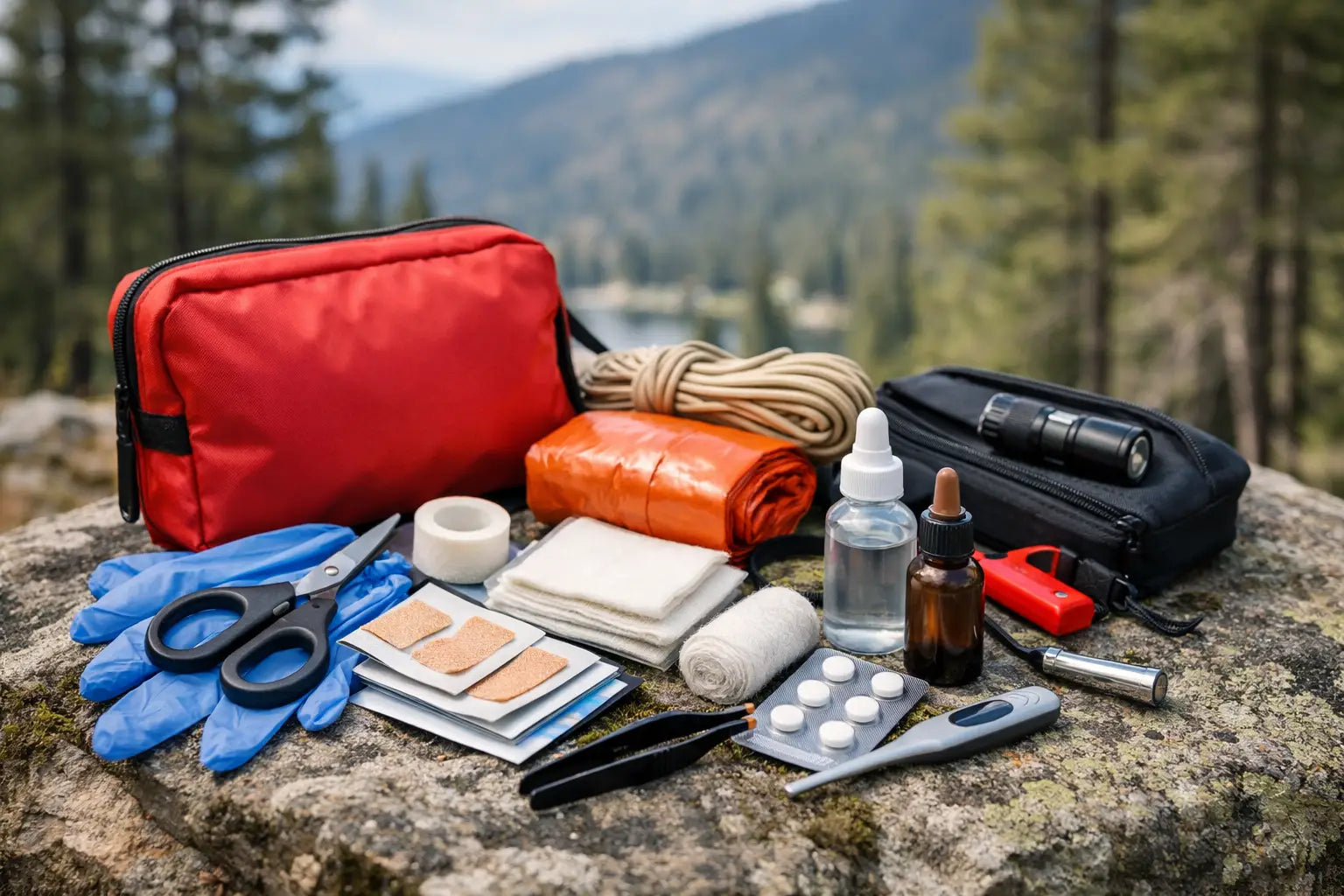
A rolled ankle three miles from the trailhead is annoying. The same injury at dusk, in cold rain, with a group that still has to move, becomes a medical problem fast. That is why a solid wilderness first aid kit essentials checklist matters - not as a generic packing list, but as a practical system built for delayed care, limited resources, and real decisions in the field.
A wilderness kit should do three things well. It should help you manage serious problems long enough to get help, handle the routine issues that stop trips early, and stay organized enough that you can actually use it under stress. The right checklist is less about buying more and more about carrying the right categories, in the right quantities, packed so they are easy to access and easy to restock.
What makes a wilderness first aid kit different
A day-hike first aid pouch from a big box store usually assumes quick access to a car, cell service, or an urgent care clinic. Wilderness travel changes that equation. You may be stabilizing an injury for hours, managing a patient overnight, or treating the same minor problem repeatedly over several days.
That means your kit needs more than a handful of adhesive bandages and a few alcohol wipes. It needs supplies for bleeding control, wound cleaning, sprains, blister management, environmental exposure, and common medications in amounts that match your trip length and group size. If you are leading Scouts, running a backcountry crew, or organizing a boating or expedition group, quantity matters just as much as item selection.
Wilderness first aid kit essentials checklist by category
The easiest way to build a reliable kit is by function. Think in modules instead of random products.
PPE and scene safety
Start with nitrile gloves. Carry multiple pairs, not one, because field care gets messy and gloves tear. Add a CPR barrier if you are trained to use it, and include hand sanitizer for situations where clean water is limited. A small pair of trauma shears belongs here too. You may need to cut tape, trim moleskin, or expose an injury quickly.
If your trips involve hunting, tools, boating, chainsaws, or remote work sites, eye protection becomes more relevant. For some users it is optional. For crew leaders and group medical kits, it is a smart addition.
Bleeding control and wound care
This is the core of most kits. Carry sterile gauze pads in more than one size, a gauze roll, and a compression bandage or elastic wrap that can help secure dressings. Medical tape matters more than people think. Cheap tape that fails in sweat, rain, or dust is a problem. Bring a tape that sticks in field conditions.
Adhesive bandages still have value, but they should not be the backbone of your wound kit. Include wound closure strips for small lacerations when appropriate, plus an irrigation syringe or other simple way to flush dirt from cuts. In the backcountry, cleaning a wound well often matters more than putting a bandage on it quickly.
Antiseptic wipes are useful for intact skin around a wound, but they are not a substitute for proper irrigation. A small supply of antibiotic ointment can help with minor wounds and abrasions. Keep dressings individually packaged when possible so they stay clean and are easy to replace one for one after a trip.
Blister and foot care
Trips get canceled over feet more often than dramatic trauma. Your wilderness first aid kit essentials checklist should include moleskin or another blister dressing material, hydrocolloid blister dressings, tape, and a small amount of padding for hot spots and pressure points.
If you lead groups, increase quantities here. One person with heel blisters can slow twelve people. Foot care supplies are light, inexpensive, and used constantly.
Sprains, strains, and orthopedic support
Elastic bandages are worth carrying, especially for ankles, knees, and compression support. Add a triangular bandage for slings, wraps, and improvised stabilization. A SAM-style splint or compact moldable splint is one of the most useful upgrades for wilderness travel because it can support wrists, lower legs, and other suspected fractures when evacuation is delayed.
There is a trade-off here. Solo day hikers may trim this category for weight. Group leaders, boaters, horse packers, and remote expedition crews usually should not.
Medications for common field problems
Medication choices depend on training, medical history, and trip policies, but some categories belong in most kits. Include pain relievers such as acetaminophen or ibuprofen, an antihistamine for allergic reactions and itching, an anti-diarrheal, and antacids if gastrointestinal issues are common in your group.
Diphenhydramine is often carried for allergic symptoms, though it can cause drowsiness. Non-drowsy antihistamines may be better for some users during active travel. It depends on your setting and your tolerance for side effects.
You should also think about oral rehydration support, cough drops if cold-weather or shoulder-season trips are common, and any trip-specific needs such as motion sickness medication for boating. Individually packaged OTC meds are especially useful because they pack cleanly, resist contamination, and make refill tracking much easier.
Environmental and exposure items
Wilderness medicine is not just cuts and sprains. Sun, cold, heat, and insects create a steady stream of preventable problems. Include sunscreen, insect repellent, and after-bite or anti-itch treatment if bugs are part of your season.
For cold conditions, an emergency blanket earns its place because it is light and genuinely helpful for shock prevention and unexpected delays. If you travel in hot environments, think more about hydration support and electrolyte replacement. In tick country, add a tick removal tool and make sure your group knows where it is.
Tools and documentation
A small notepad and waterproof pen belong in any serious kit. Write down the time of injury, medications given, changes in symptoms, and evacuation decisions. That record helps if care gets handed off later.
Your kit should also include a patient assessment form if your group uses them, a medication list for known participant needs when appropriate, and emergency contact information stored in a protected way. A headlamp with fresh batteries is not technically a medical supply, but trying to clean and dress a wound in the dark without one is a bad plan.
How much to carry depends on group size and time to help
This is where many kits fail. People buy for themselves, then use the same kit for a family campout, Scout troop, or backcountry crew. If your group is larger than four or your evacuation timeline is measured in hours instead of minutes, increase quantities across the high-use categories.
The first items to scale up are gloves, gauze, blister care, tape, elastic wraps, and common medications. These are the supplies that disappear first. For organized groups, modular packing works best. Keep trauma and wound care separate from meds, and keep refill notes simple so you can restock by category instead of rebuilding the kit from memory.
Packing your kit so it works under stress
A wilderness first aid kit is only useful if you can find what you need quickly. Use clearly labeled pouches or internal bags. Put life-threatening problem gear where it is easiest to reach, routine wound care in the middle, and low-frequency backup items deeper in the kit.
Water resistance matters. Even if your outer bag is durable, use internal zip bags or waterproof organizers for medications, dressings, and paperwork. Moisture ruins labels, weakens packaging, and turns a well-planned kit into a jumble.
Do not overpack bulky duplicates just because there is room. Extra weight adds up, especially for backpacking. Carry enough for your mission, not enough for every scenario you can imagine.
The most common mistakes on a wilderness first aid kit essentials checklist
The first mistake is overloading on adhesive bandages and underpacking gauze, tape, and wraps. The second is forgetting medications or carrying loose pills that are hard to identify later. The third is treating the kit like a one-time purchase.
Field kits are consumable systems. If you used two blister dressings, four ibuprofen packets, and a roll of tape on your last trip, that kit is now incomplete. Time to restock your first aid kit before the next trip, not the night before departure. Stores like RestockYourKit.com are useful for this because individually packaged supplies and refill-friendly quantities make it much easier to replace exactly what you used instead of buying a whole new box of everything.
Build for your trip, not for the internet
A lightweight solo trail-running kit, a Philmont crew kit, and a canoe expedition medical bag should not look the same. Your terrain, weather, group, training, and evacuation options all change what belongs inside. The best checklist is one you can explain, use confidently, and maintain season after season.
If you are unsure where to add weight, start by improving wound care, blister care, wraps, and medications. Those categories solve the widest range of real field problems. Then pressure-test your kit before the season starts. Open it, check expiration dates, replace used items, and make sure everyone responsible for the group knows where the essentials are. Preparedness is not about having a bag on the shelf. It is about having the right supplies ready when the day stops going as planned.