Cart
0
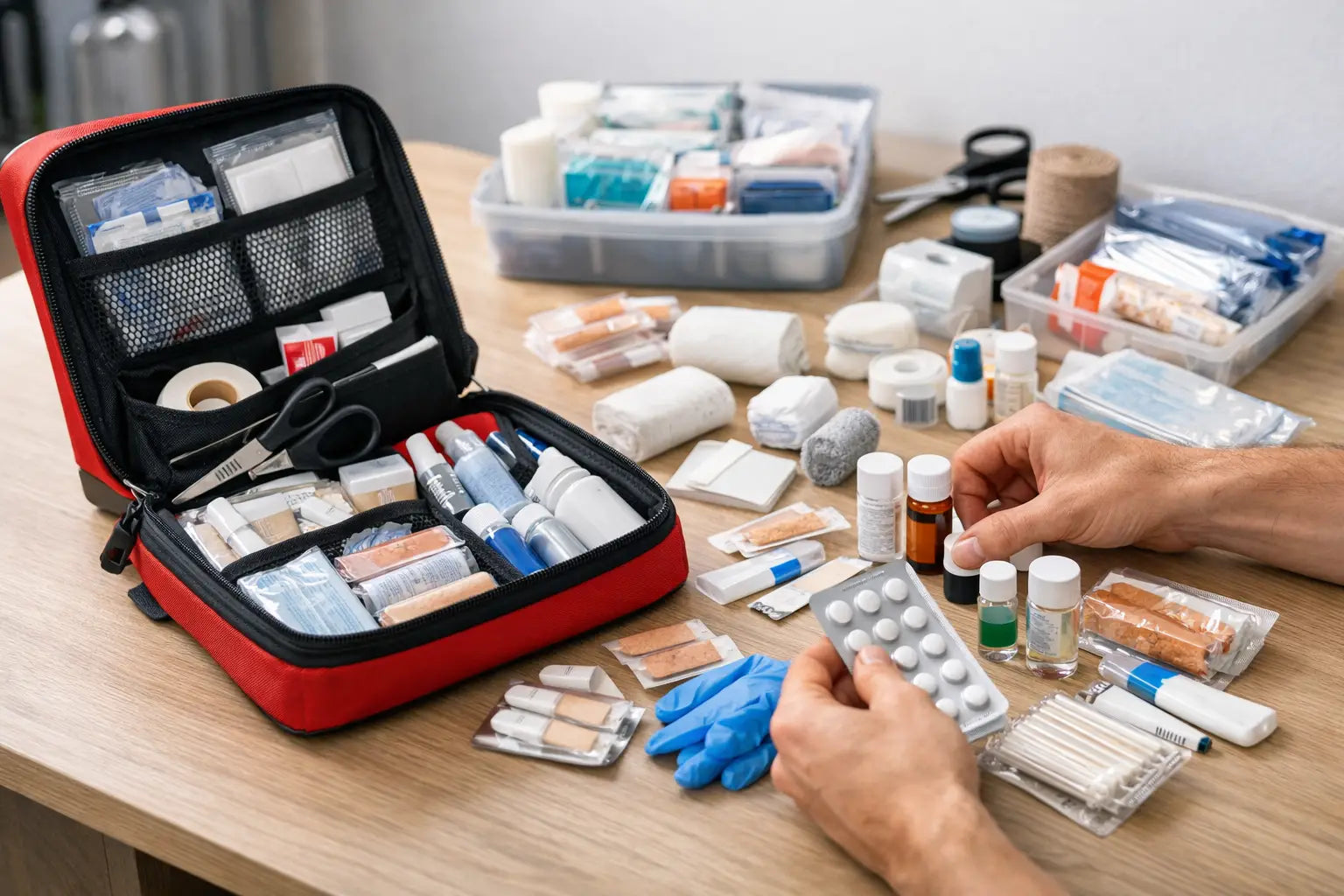
Most first aid kits fail in the same predictable way. They look complete on a shelf, then come up short when you actually need them - no gloves left, no blister care, expired meds, too many tiny bandages, and nothing that fits the trip, crew, or environment. A custom first aid kit builder fixes that by starting with how you really use a kit, not how a generic manufacturer thinks you might.
If you lead Scout trips, run river days, keep a boat, travel into the backcountry, or simply want a household kit you can maintain without buying wasteful duplicates, customization is not a luxury. It is how you avoid dead weight, missed essentials, and overpriced refill cycles. The right build gives you the supplies you will actually reach for, packed in quantities that match your group size, trip length, and skill level.
What a custom first aid kit builder should actually do
A useful builder is more than a bag plus a checklist. It should help you think in layers. Start with the base kit or empty bag, then add medications, wound care, PPE, trauma items, and activity-specific modules. That structure matters because a family car kit, a Philmont crew kit, and a small boat kit may share core supplies, but they should not be stocked the same way.
The best approach is field-driven. That means you build around likely problems first, not rare scenarios that eat space and budget. For most users, that includes minor wound care, blisters, pain and fever meds, allergy support, GI support, tweezers, gloves, and a way to organize refills. If you are farther from help or responsible for a group, the build usually expands into irrigation, elastic wraps, triangular bandages, cold packs, SAM splints, CPR protection, and more serious bleeding control.
A good builder also respects that not everyone needs the same depth. A day hiker with basic first aid training should not be forced into the same loadout as a wilderness instructor or trip medic. More gear is not always better. More appropriate gear is better.
Build by use case, not by marketing category
This is where many off-the-shelf kits go wrong. They sell by size or by vague labels like "deluxe" and "premium." That tells you almost nothing. Your build should start with where the kit lives and who depends on it.
Home and everyday readiness
A home kit needs high-use basics in practical quantities. Adhesive bandages, gauze, tape, antiseptic wipes, gloves, thermometer covers, and common OTC medications tend to matter more than specialty tools. If you have kids, frequent minor injuries, or seasonal illness cycles, refill access becomes just as important as the initial setup. Individually packaged medications and small-quantity refills make a lot of sense here because you can replace what was used without buying another giant assortment box.
Vehicle and travel kits
A travel kit has to balance compact size with roadside reality. Think cuts, headaches, upset stomach, motion sickness, bug bites, and basic trauma support until EMS arrives. If the kit rides in heat or freezing temperatures, pay attention to product stability and rotate medications on schedule. A custom build lets you stock smart without wasting space on items that only make sense in a clinic drawer.
Backcountry, scouting, and expedition use
This is where customization becomes non-negotiable. Group size changes everything. A two-person overnight kit is not a twelve-person trek kit. You need enough wound care and medications to cover repeated use across multiple days, and you need organization that holds up in weather and low light. For Scout leaders and high-adventure crews, the right build also depends on the training level of the adults carrying it. A well-stocked kit is only useful if people can find and use what is inside under stress.
Boating and water exposure
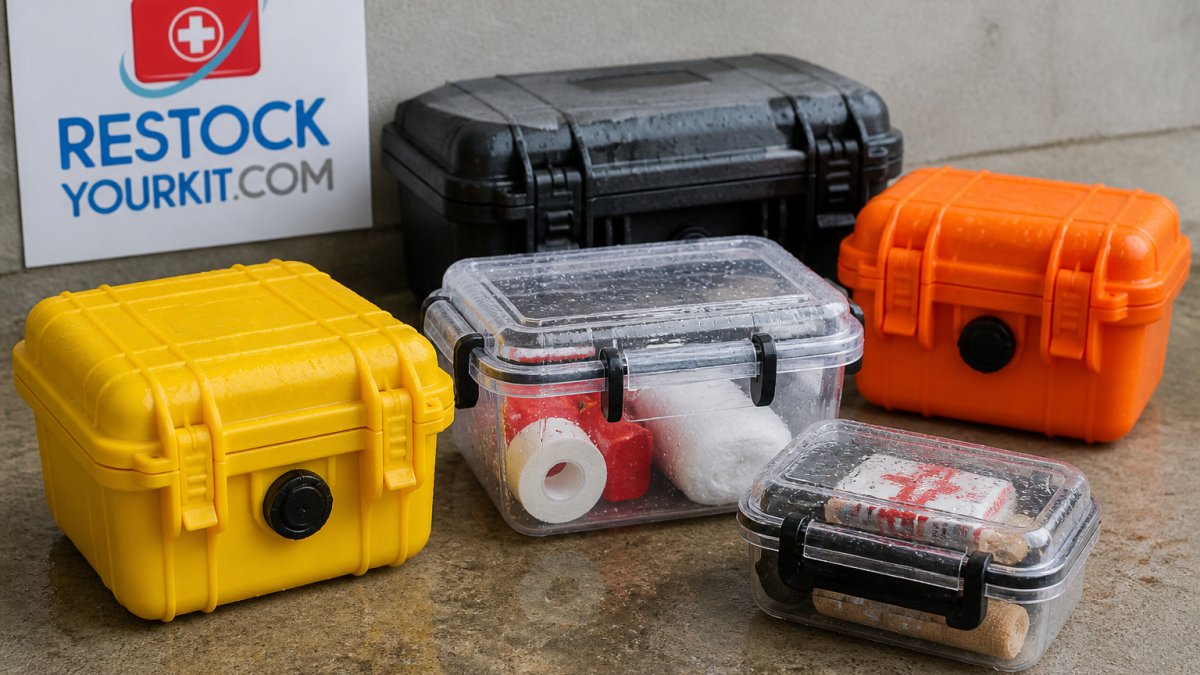
Marine environments are hard on medical supplies. Moisture resistance, corrosion awareness, and secure packaging matter. You may also prioritize seasickness support, sun exposure items, burn care, and gloves packed in a way that stays usable after repeated temperature swings. A custom first aid kit builder helps you avoid throwing standard dry-land assumptions into a wet environment where they do not hold up.
The smartest kits are modular
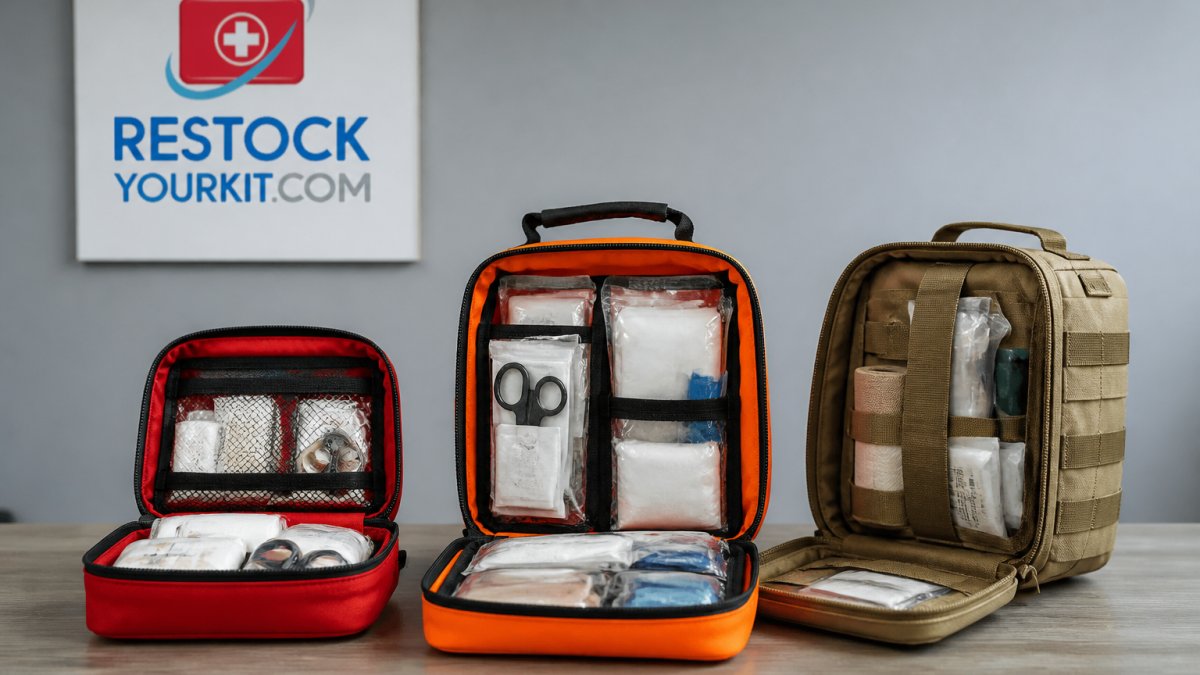
A modular kit is easier to pack, easier to inspect, and much easier to restock. Instead of one overstuffed pouch full of loose items, think in categories. Medications together. Wound care together. Trauma supplies together. PPE together. Specialty items together.
That sounds simple, but it solves a real problem. When people skip restocking, it is often because the kit is too messy to audit. They do not know what is missing, what expired, or what got borrowed. Modules turn maintenance into a quick task instead of a full unpack-and-sort project.
For group leaders, modular packing also helps delegation. One person can grab the trauma pouch, another can manage blister care, and another can track meds. In a vehicle or basecamp setup, separate modules can be moved between kits as needs change. That flexibility is one of the strongest arguments for building rather than buying blind.
Where people overbuild and where they underpack
Most people make one of two mistakes. They either buy a kit that is far too generic, or they overcorrect and pack for every nightmare scenario they have ever heard about.
Overbuilding usually shows up as too many tools, too many low-probability items, or gear that exceeds the user’s training. If nobody in your group can properly use an item, it may not belong in your primary field kit. That does not mean advanced supplies are never appropriate. It means your kit should match your setting and your capabilities.
Underpacking is more common. Not enough gloves. Not enough gauze. One tiny roll of tape for a weeklong trip. A handful of assorted bandages but no blister treatment. Three people worth of meds for a crew of ten. This is where a builder earns its keep. You can scale quantities based on actual use patterns instead of hoping the prepacked assortment guessed correctly.
Refills matter more than the first purchase
The first build gets attention. The refill cycle determines whether your kit stays ready.
That is why individually packaged supplies and near-wholesale small-quantity purchasing are so useful. You should be able to replace exactly what you used without rebuilding the entire kit from scratch. If one trip burns through ibuprofen packets, moleskin, and knuckle bandages, restock those. If flu season hits and your home meds tray gets thin, refill the medications and PPE first. If your boat bag is intact but the gloves have aged out, replace gloves and move on.
A strong custom first aid kit builder is really a maintenance system. The builder gets you started. The refill flow keeps the kit trustworthy.
Custom first aid kit builder choices that deserve extra thought
A few categories are worth slowing down for because they are often selected too quickly.
Medications should reflect the users, the trip, and any restrictions on who can administer what. Packaging matters. Single-dose packets are excellent for organization, moisture resistance, and expiration tracking, but bulk can make sense in controlled settings. Trauma gear should match both risk and training. For some users, that means focusing on pressure dressings, gloves, and clear access. For others, it may justify a more advanced setup.
Bags and containers matter more than people expect. A flimsy pouch makes restocking harder and wastes time in an emergency. Good internal organization, clear labeling, and room for future refill cycles beat flashy features every time.
Specialty modules also deserve an honest look. If you manage animals, remote crews, or seasonal hazards like ticks and heavy bug exposure, a general kit may not cover the real problems you face most often. Building around those realities is not niche thinking. It is good preparedness.
A practical way to build one
Start with the mission. Is this for home, truck, day trips, a weeklong trek, a boat, a Scout crew, or a mixed-use setup? Then decide who it covers, how far you are from help, and who is expected to use it.
Next, choose your core: wound care, PPE, medications, basic tools, and support items like wraps or cold packs. After that, add risk-specific modules such as blister care, marine needs, trauma support, or seasonal illness supplies. Finally, leave room for refills. If the bag is stuffed on day one, maintenance gets harder immediately.
If you want a practical place to do that, RestockYourKit.com is built around this exact logic - kits, refills, medications, supplies, empty bags, and add-on modules organized the way real users maintain readiness.
The best kit is not the biggest one or the most expensive one. It is the one you can trust on an ordinary Tuesday and on the day things go sideways. Build for the real world, keep it stocked, and make your next refill before the next trip leaves the driveway.