Cart
0
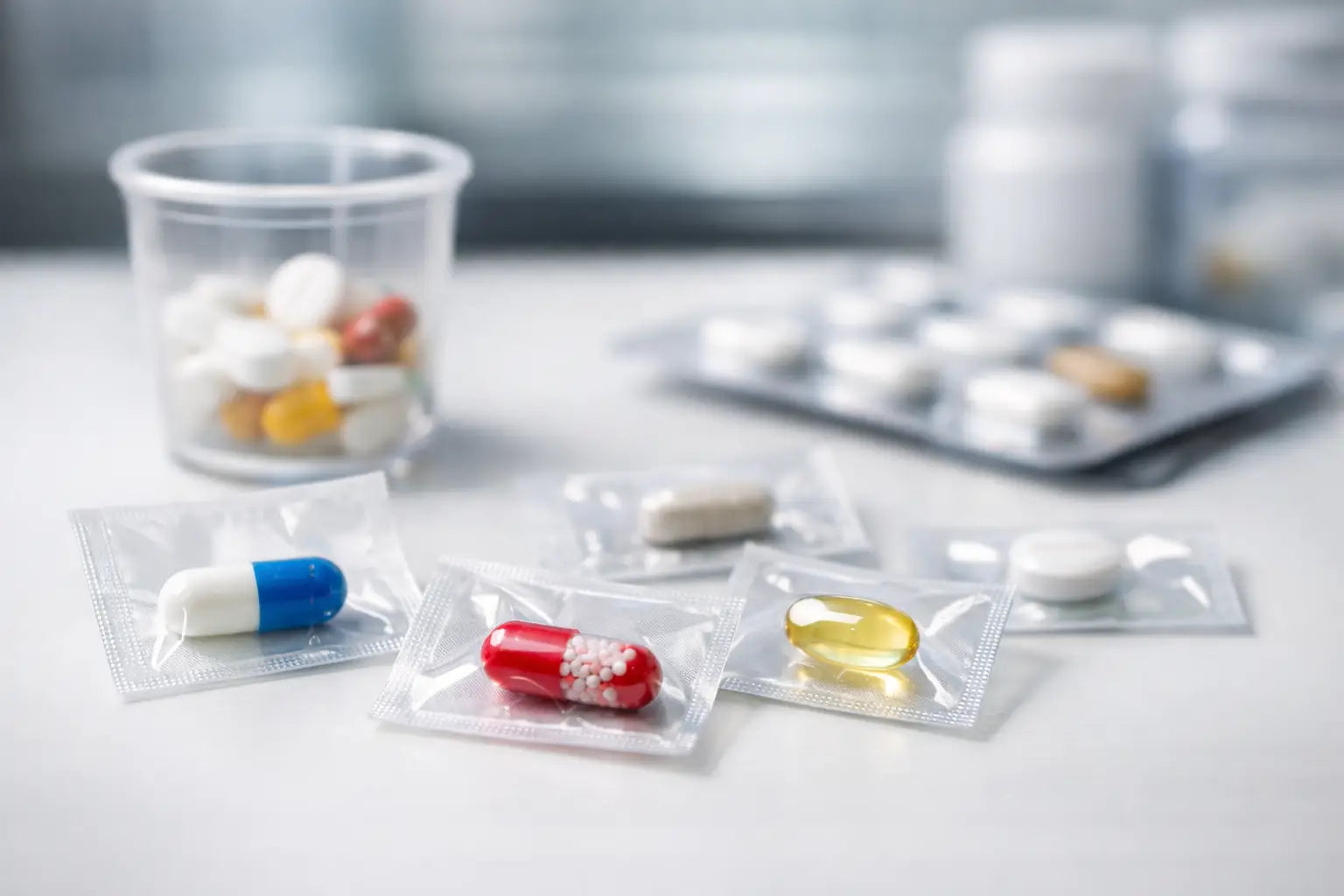
A first aid kit usually fails in a boring way. Not because of some dramatic wilderness scenario, but because the pain reliever is loose in the bottom of the pouch, the antihistamine expired two seasons ago, or no one can tell how many doses are left before a trip. That is where individually packaged medications earn their place. They make kits easier to inspect, easier to share across a group, and far easier to keep ready when the moment is not convenient.
For anyone managing kits for a family, troop, boat, work crew, or backcountry team, packaging is not a small detail. It affects cleanliness, accountability, dose control, and how quickly you can respond when someone needs help. In the field, simple systems win.
What individually packaged medications actually solve
The biggest advantage of individually packaged medications is control. Each dose stays sealed until needed, which helps protect tablets from moisture, dirt, and the general abuse that first aid kits take in cars, packs, and storage bins. If you have ever opened a communal bottle after a humid summer and wondered what shape the contents started in, you already understand the problem.
Single-dose packaging also makes inventory easier. You can count what you have at a glance. You know whether your crew kit has six pain relievers left or thirty. You do not need to guess whether that bottle is full enough for a weekend outing or nowhere close.
There is also a practical safety benefit. Clear, separate packaging reduces mix-ups. When medications are loose, repackaged without labels, or tossed into a zip bag to save space, errors become more likely. That is not a theoretical issue for group leaders and trip organizers. In low light, bad weather, or a busy camp, labels matter.
Why they work better in real kits
A home medicine cabinet and a field kit are not the same thing. At home, a bottle of ibuprofen might be fine because it stays on a shelf, gets used regularly, and is easy to replace. In a first aid kit, that same bottle can be bulky, harder to inspect, and less practical when you need to hand one dose to one person and keep moving.
Individually packaged medications fit the way prepared people actually build kits. You can distribute doses across modules instead of relying on one central bottle. Put a few packets in a daypack, more in a vehicle kit, and enough in a group medical bag without exposing the entire supply every time one packet gets used.
That modular approach matters even more for larger organizations. Scout leaders, boating crews, camp staff, and expedition planners need systems that scale. Bottles are fine until multiple people draw from them over time. Then the count gets fuzzy, labels get worn, and no one is quite sure what needs replacing.
Better for travel, better for teams
Travel changes the equation. Vibration, temperature swings, moisture, and rough handling all work against your kit. Single-dose packets generally hold up well under those conditions and make it easier to carry only what you need.
For teams, the benefit is even clearer. If twelve people are heading into the backcountry, you do not want all your common over-the-counter medications living in one hard bottle at the bottom of one leader's pack. Separating doses into a refillable, organized system spreads capability across the group and speeds up access when someone develops a headache, allergy symptoms, or stomach trouble.
The trade-offs are real
Individually packaged medications are not perfect for every use. Single doses can take up more space than bulk bottles if you are storing large quantities in one place. They can also cost more per dose in some retail settings, especially when bought in tiny convenience-pack quantities at a drugstore.
That said, the cheapest format on paper is not always the cheapest format in practice. If a bottle sits half-used until expiration, gets contaminated, or turns into a mystery container with no clear count, the savings disappear fast. For first aid readiness, waste matters just as much as unit price.
The right choice depends on how the medication will be used. A household may want both formats - larger bottles in the cabinet for routine use, and individually packaged medications in kits, glove boxes, travel bags, and group modules. That is usually the practical middle ground.
Which medications make the most sense in single-dose form
Not every medication belongs in every kit, and group leaders should stay within what they are trained and authorized to carry and distribute. Still, some categories are especially well suited to individual packaging.
Pain relievers are high on the list because they get used often and need easy dose control. Antihistamines make sense for the same reason, especially in outdoor, travel, and camp settings where mild allergic reactions are common. Antidiarrheals and upset-stomach medications are smart additions for road trips, expeditions, and any situation where a minor problem can become a major logistics issue.
Cough and cold season changes priorities too. During fall and winter, kits often need a medication check just as much as they need fresh gloves or bandages. Flu season is here - prepare now. If your family kit or crew kit is missing individually sealed basics, restocking before the first sick day is a lot easier than trying to find supplies after stores are picked over.
Packaging supports inspection and rotation
One underappreciated advantage of individually packaged medications is how fast they make routine checks. You can empty a pouch, count packets, check dates, and refill gaps in minutes. That is harder with mixed bottles and improvised storage.
This matters if you are responsible for more than one kit. A parent might manage home, car, and travel kits. A troop leader may have personal gear, patrol gear, and a larger group medical setup. A guide or trip medic may maintain several modules for different trip lengths. The more kits you manage, the more valuable clean inventory becomes.
How to stock them without building a junk drawer
Good kit building is not about stuffing every available medication into a pouch. It is about matching the contents to the mission. A personal day-hike kit needs something different than a weeklong canoe trip kit or a boating trauma bag.
Start with likely problems, not hypothetical ones. For most people, that means common pain, minor allergy symptoms, digestive upset, and seasonal cold support. Then decide how many people the kit serves and for how long. A family road-trip kit and a base-camp crew kit should not carry the same quantity.
Next, keep medications with the supplies and documentation that make them usable. If your system includes care notes, dosage references, or trip paperwork, store them where they can be accessed quickly. In the field, organization saves time, and time reduces mistakes.
It also helps to buy in practical refill quantities instead of oversized consumer packaging. If your goal is to keep a few kits ready, buying exactly what fits those kits is usually smarter than overbuying a bottle that will sit for years. That is one reason many preparedness-minded shoppers prefer curated refill options built around single packets and small quantities rather than standard retail formats.
Where individually packaged medications fit in a modern refill system
The old model of first aid was buy a kit once, forget it, and hope for the best. That does not hold up for people who actually use their gear. Real readiness is a refill habit.
Individually packaged medications fit that habit well because they support modular restocking. You use a few packets on a trip, note the gap, and replace exactly what is missing. You do not need to replace an entire bottle because a few doses were used or because the cap cracked in storage.
That is especially useful for households and organizations trying to stay ready without overspending. It gives you a cleaner path to maintaining multiple kits at once and reduces the friction that causes people to put off restocking. Time to restock your first aid kit means something different when the process takes ten minutes instead of an afternoon.
For shoppers who want that kind of control, stores built around refill logic are a better fit than general retail aisles. RestockYourKit.com is geared toward that real-world maintenance mindset, with medications, supplies, and modules that make sense for personal kits, group kits, remote travel, and seasonal readiness.
The best first aid supplies are often the ones that remove guesswork. Individually packaged medications do exactly that. They keep doses clean, counts visible, and restocking simple - which is why they belong wherever readiness has to work outside the house, under pressure, and on the first try.