Cart
0
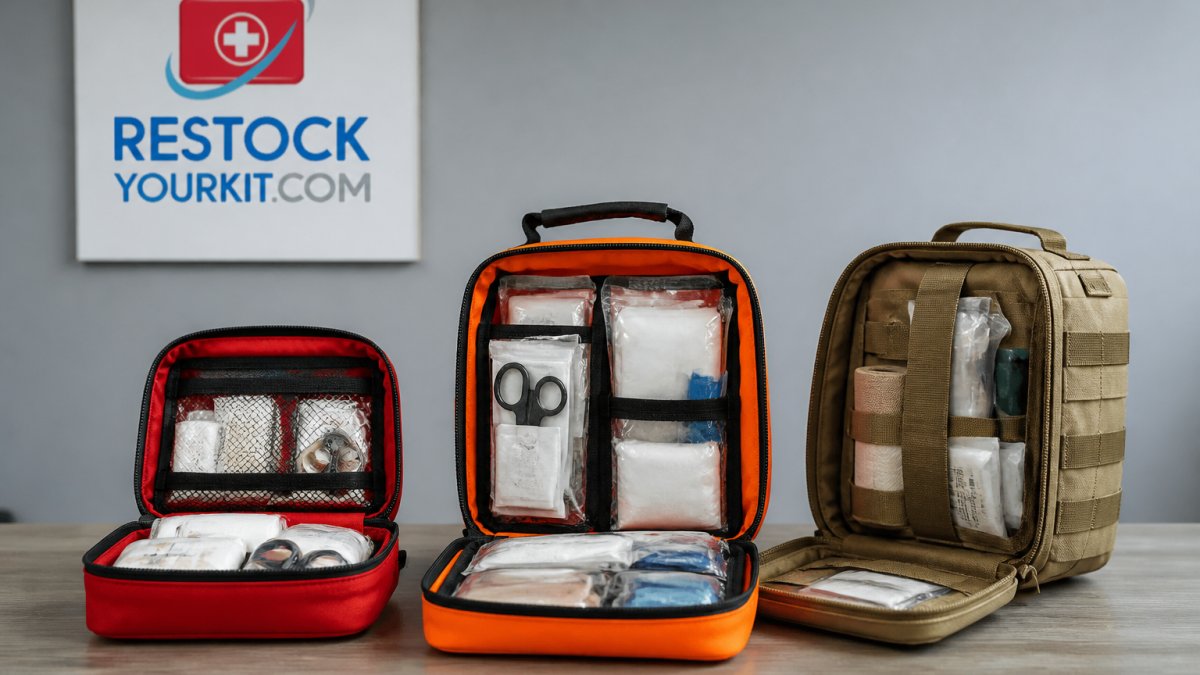
A first aid kit usually looks fine right up until you actually need it. Then you find three empty bandage spots, expired meds, one lonely glove, and the trauma pad somebody borrowed last summer.
That is why first aid kit refills matter more than the original kit for most people. A kit is only useful if it stays complete, current, and matched to the way you actually travel, work, camp, or care for your group. If you lead Scouts, run boating trips, keep a vehicle kit, or manage supplies for a household, restocking is not a once-a-year chore. It is part of staying ready.
First aid kit refills are not one-size-fits-all
A drugstore refill pack can look convenient, but convenience and readiness are not the same thing. Most generic refill packs lean heavily on small adhesive bandages and light wound care. That may be enough for a desk drawer. It is usually not enough for a truck kit, a backcountry crew bag, a patrol kit, or a boat where help may be delayed.
A useful refill plan starts with use case. A personal day-hike kit needs different quantities than a family car kit. A Scout troop needs more blister care, meds, gloves, and dressings because volume matters. A remote expedition kit may need irrigation tools, trauma supplies, burn care, and extra medications because evacuation is not immediate. If you are buying first aid kit refills without thinking about where the kit lives and who it serves, you will either overspend on things you do not use or miss the items that matter most.
That is also why individually packaged supplies and small-quantity restocks make sense. You can replace what was used instead of buying an oversized assortment that leaves you with duplicates of the wrong items.
How to know what to refill first
The fastest way to restock is not to dump everything on a table and start over. Start with the items that disappear first, expire first, or matter most when the situation is serious.
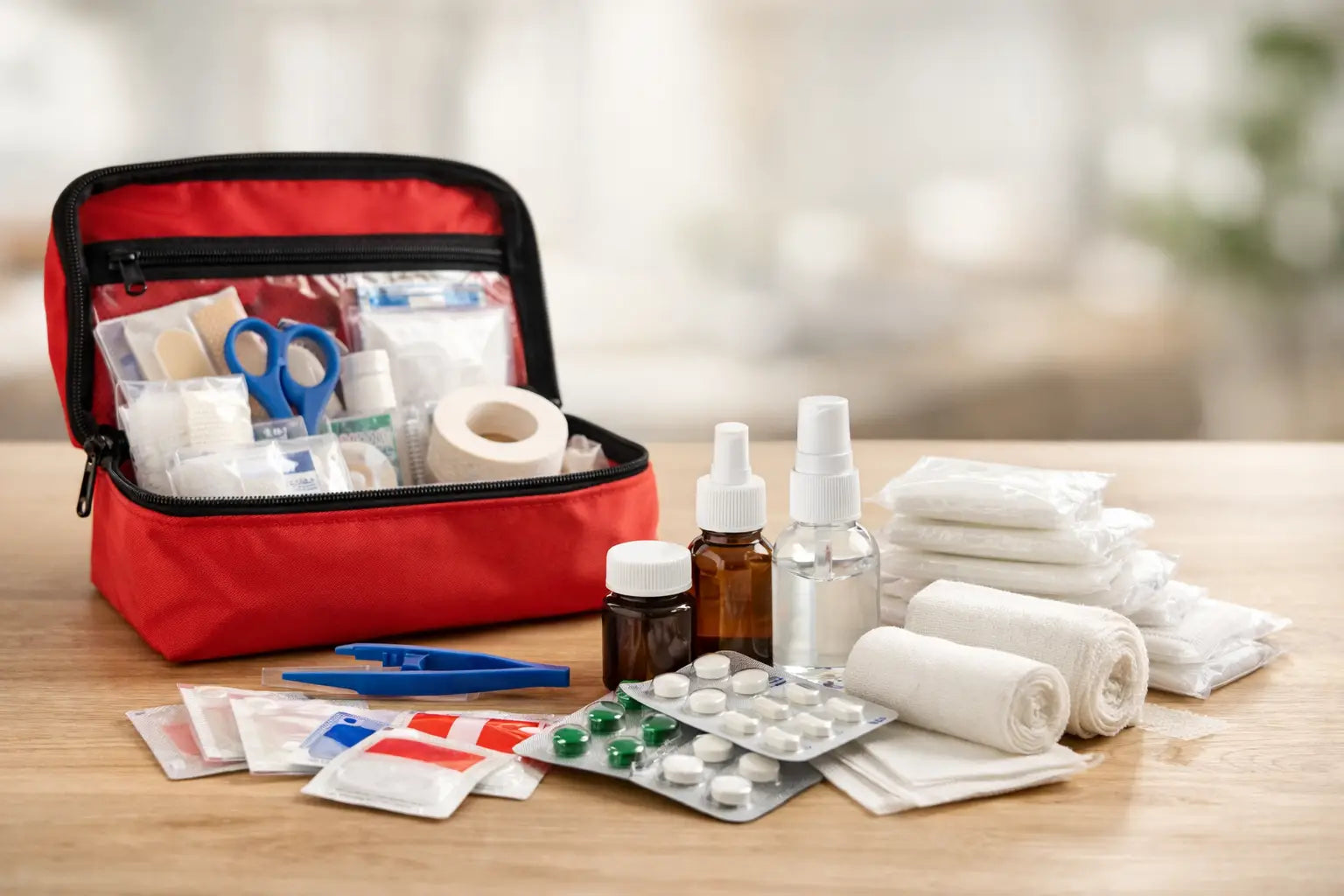
Consumables usually go first. Adhesive bandages, blister treatment, antibiotic ointment, antiseptic wipes, gloves, gauze pads, tape, and over-the-counter medications tend to get used steadily. These are the supplies that quietly thin out over time because people borrow one or two items and do not mention it.
Next, check time-sensitive items. Medications, ointments, eye wash, and some specialty treatments need regular date checks. If your kit is stored in a hot vehicle, boat compartment, or garage, take those dates seriously. Heat and humidity are hard on supplies, and real storage conditions matter more than best-case shelf life.
Then look at your high-consequence items. Tourniquets, pressure dressings, larger trauma pads, irrigation syringes, CPR barriers, and PPE should not be missing when the stakes are high. You may not use them often, but if they are part of your kit design, they need to be there and in usable condition.
A better way to manage first aid kit refills
For most households and trip leaders, the best system is simple: refill after use, review by season, and do a full inspection before major travel.
Refill after use is the rule that prevents small gaps from becoming big ones. If you use two packets of ibuprofen on a weekend trip, replace them that week. If your crew used moleskin and gauze at summer camp, reorder before the next outing. Waiting until the kit looks empty is how readiness slips.
Seasonal review catches what daily life misses. Flu season is a good time to check fever reducers, thermometers, masks, gloves, and illness-support items. Spring and summer are when tick tools, bite care, poison ivy support, blister care, sunscreen-adjacent skin protection, and hydration support become more relevant. Fall is a smart time to reset hunting, hiking, and vehicle kits before colder weather changes your response window.
A pre-trip inspection is where group leaders save themselves trouble. Before a Philmont trek, river trip, field season, or extended road travel, review quantities against your actual headcount and duration. A kit that is adequate for four people on a day outing may be badly undersupplied for twelve people over multiple days.
What most people forget to replace
The obvious items get attention. The less obvious ones are often the reason a kit underperforms.
Gloves are a common failure point. People use one pair for a messy splinter or nosebleed, then forget to replace them. A serious kit should have enough gloves for more than one incident, especially if multiple caregivers may be involved.
Medications are another weak spot. People remember pain relievers and forget antihistamines, anti-diarrheal meds, aspirin where appropriate, or motion sickness support for boating and travel kits. The right medication mix depends on your group, but single-dose packaging often makes it easier to stock what you actually need without buying full retail bottles.
Small tools go missing all the time. Tweezers, trauma shears, irrigation syringes, thermometers, and CPR barriers are easy to borrow and hard to notice until needed. If your kit has compartments, check the tools as carefully as the dressings.
Packaging matters too. A crushed tube of ointment, a wet packet, or a half-open roll of tape can turn a stocked kit into a compromised one. Refill decisions should include condition, not just count.
Choosing refills for home, vehicle, boat, and backcountry kits
The right refill mix depends on environment.
Home kits usually need broad coverage for common problems: cuts, burns, minor illness, fevers, sprains, and basic wound cleaning. The challenge at home is not extreme conditions. It is steady use. Home kits often become the place everyone raids, so they need regular replacement of everyday supplies and medications.
Vehicle kits deal with heat, cold, and unpredictability. That means checking medication dates more often and paying attention to packaging integrity. It also means carrying a little more wound care and PPE than you think you need because your car kit may end up helping someone outside your household.
Boat kits need help with moisture management, motion-related meds, sun and skin issues, and delayed access to care. Waterproof organization matters as much as the contents. Refills should protect against water exposure, not just fill empty spaces.
Backcountry and expedition kits require the most honest planning. If evacuation could take hours or longer, refill choices should reflect that reality. More blister care, more irrigation capability, more dressings, more gloves, and enough medications for the group and trip length are usually smarter than a generic top-off pack.
Why modular refills make more sense for serious users
If you manage multiple kits or build kits by mission, modular refills save time and reduce waste. Instead of buying the same mixed assortment for every bag, you can replace categories as needed - meds, wound care, trauma supplies, PPE, or specialty add-ons.
That approach works especially well for Scout leaders, outfitters, trip organizers, and preparedness-minded households. It also helps if you maintain different kits for different settings, such as one for the truck, one for camp, one for the boat, and one for home. Each kit can stay purpose-built instead of drifting into a generic catch-all.
It also lets you buy practical quantities. Sometimes you need one irrigation syringe and six medication packets, not a 200-piece assortment heavy on items you already have.
Where people overspend on restocking
The most expensive way to restock is buying full retail boxes to replace just a few missing pieces. This happens a lot with medications, gloves, and wound care items. You end up paying for convenience packaging and extra volume instead of buying what the kit actually needs.
The other mistake is replacing the entire kit because maintenance was ignored too long. Good bags, organizers, and core tools often still have plenty of life in them. In many cases, first aid kit refills are the more practical option because they preserve a system that already works while restoring readiness at a lower cost.
For shoppers who want field-tested refill options without rebuilding from scratch, https://RestockYourKit.com is built around that exact problem - replacing real-world supplies in practical units for real kits.
The best refill plan is the one you will actually follow
A perfect inventory spreadsheet is not necessary for most people. A repeatable routine is. Keep a short refill list with each kit, replace items after every trip or incident, and set calendar reminders around seasons when your kit gets used hardest.
If you are responsible for a group, assign the job before the season starts. If you are responsible for your household, treat your kit like any other essential supply you do not want to run out of at the wrong time.
Time to restock your first aid kit is not when someone is bleeding, nauseated, feverish, or halfway through a long trail day. It is when the problem is still hypothetical and the fix is still easy.