Cart
0
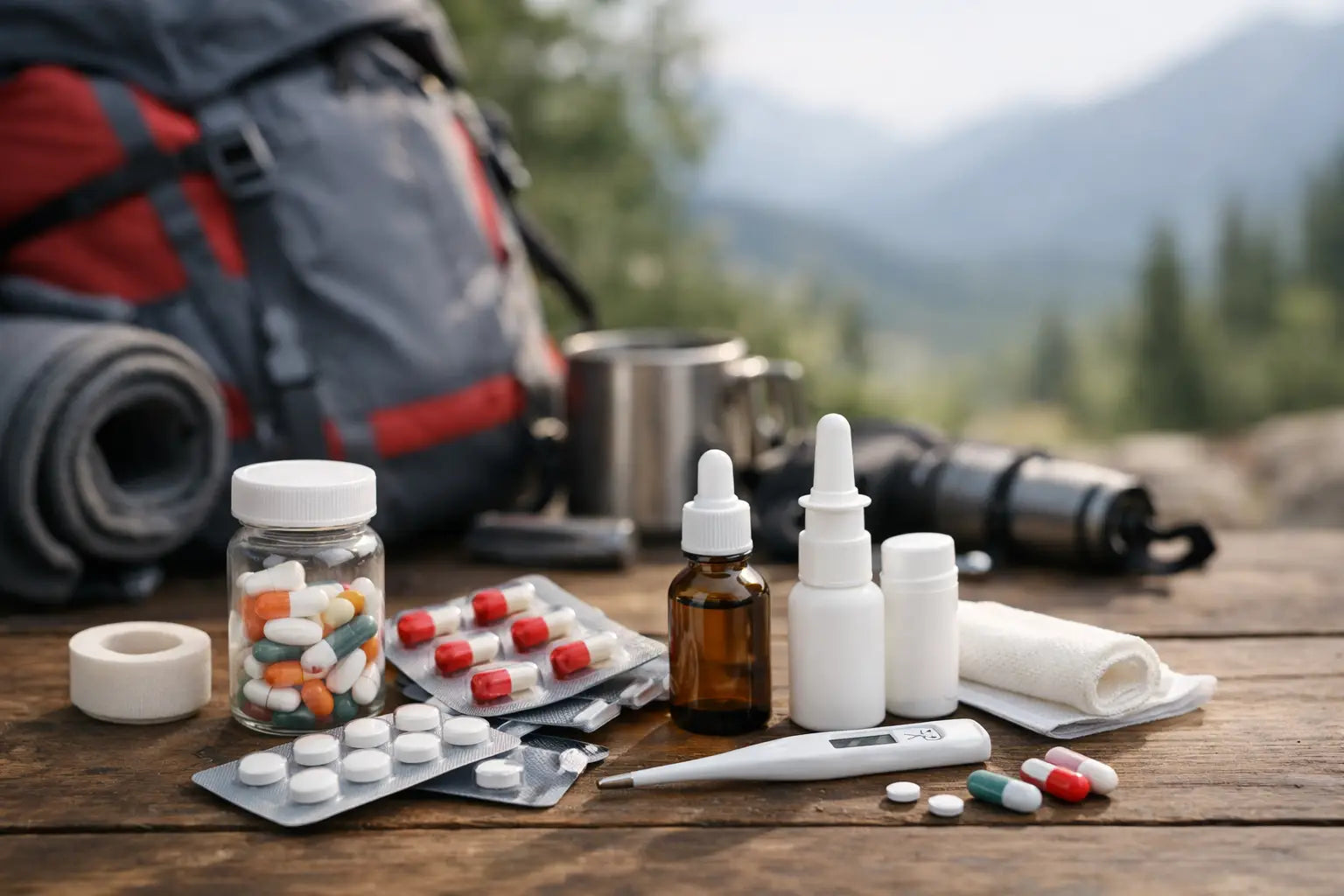
A backpacking trip can go sideways fast over something small. A headache that turns into a miserable afternoon. Diarrhea that drains your energy on day two. A hot spot that starts as an annoyance and ends as a limp. Most backcountry medical problems are not dramatic trauma. They are the ordinary problems you can manage well - if you packed for them.
That is the real question behind what meds to pack for backpacking. You are not trying to build a floating pharmacy. You are trying to cover the problems most likely to interrupt travel, sleep, hydration, and decision-making in a place where there is no quick store run.
What meds to pack for backpacking depends on the trip
There is no one perfect medication list for every hiker. A solo overnight in a busy state park is different from a seven-day trek with creek crossings, questionable water, and a long evacuation. Group size matters too. If you are leading a Scout crew or organizing a backcountry team, your medication planning has to account for more people, more variables, and more chances that one minor illness affects the whole trip.
Start with four factors: trip length, remoteness, group size, and known medical history. The farther you are from help, the more your kit needs to solve common problems on site. The larger the group, the more quantities matter. And if anyone has a history of severe allergies, asthma, migraines, motion sickness, or recurring GI issues, their personal medication kit should be built first, not last.
The core meds most backpackers should carry
For most trips in the US, a practical medication kit starts with pain and fever relief. Acetaminophen and ibuprofen both earn a spot. They overlap, but they are not identical. Ibuprofen is often the better choice for inflammation, sore knees, and general trail wear. Acetaminophen is useful when someone cannot take NSAIDs or when stomach irritation is a concern. If you only carry one, choose based on your own health history, not popularity.
For stomach issues, an anti-diarrheal like loperamide is one of the highest-value items you can pack. Diarrhea is not just inconvenient in the backcountry. It affects hydration, energy, morale, and pace. Pair that with an antacid if heartburn or indigestion is common for you, especially on trips where trail food is saltier, fattier, or more processed than what you eat at home.
An antihistamine belongs in most backpacking kits as well. Diphenhydramine is widely recognized and can help with allergic reactions, itching, and hives, but it also makes many people drowsy. That can be useful at night and a liability during travel. A non-drowsy option such as cetirizine may make more sense for daytime use. If you or someone in your group has a history of severe allergic reactions, that moves beyond basic OTC planning and into prescription rescue medication.
Nausea is another trip-killer. Some hikers need motion sickness medication for shuttle rides, boat access, or winding mountain roads before the trip even starts. Others benefit from anti-nausea strategies because altitude, exertion, dehydration, or anxiety can trigger symptoms. What you pack here depends on what has worked for you before. The backcountry is not the place to test a new medication for the first time.
Prescription medications come first
If you take prescription medication daily, that is the first medication category to pack, not the add-on. Bring enough for the full trip plus extra in case of delay. If your route includes weather risk, ferry schedules, flight issues, or remote exits, a one- or two-day buffer is smart.
Keep prescription meds in clearly labeled packaging whenever possible. That matters for organization, for group leaders keeping records, and for avoiding mistakes when multiple people carry similar pills. If you use an inhaler, epinephrine auto-injector, insulin, or any medication that addresses a potentially serious condition, it should stay accessible and protected from temperature extremes and moisture.
For organized groups, medication responsibility needs to be sorted before the trailhead. Adults should know who is carrying what, what conditions are present in the group, and what emergency meds may be needed quickly.
GI meds matter more than many hikers expect
If you ask experienced trip leaders what gets used most, GI support is usually high on the list. Backpacking changes your food, water routine, stress level, and bathroom schedule all at once. That is a predictable recipe for problems.
Loperamide is useful for controlling diarrhea when the priority is keeping someone moving and reducing fluid loss. Oral rehydration support also matters, even though it is not a medication in the strict sense. Electrolyte replacement can make a real difference after vomiting, diarrhea, or heavy exertion in heat.
Constipation also happens on trail, especially early in a trip when people are dehydrated, eating differently, or reluctant to use backcountry toilets. If this is a known issue for you, pack accordingly. The right answer depends on your normal routine and what your body tolerates.
The trade-off with GI meds is simple: symptom control can help in the field, but it should not hide a worsening illness. Severe abdominal pain, persistent vomiting, blood in stool, high fever, or signs of serious dehydration change the picture and may require evacuation.
Blister, bite, and skin support often includes meds too
Not every useful backpacking medication comes in a pill packet. Hydrocortisone cream can be worth its weight when insect bites, poison ivy, or skin irritation start affecting sleep and concentration. Antibiotic ointment has a place for minor wound care, though it is not a substitute for proper cleaning and dressing.
If you are prone to fungal issues from wet socks, heat, or long mileage, a small amount of antifungal treatment may be worth packing on extended trips. This is especially true for group leaders, thru-hikers, and anyone heading into persistently wet conditions.
Lip balm with sun protection and sunscreen are not medications, but from a field-use standpoint they prevent problems that often become medical issues by day three. The same goes for insect repellent in tick and mosquito country.
What meds to pack for backpacking at altitude or in remote terrain
Some trips justify more specific planning. If you are heading to altitude and have a history of altitude illness or a clinician has prescribed prevention medication, that should be addressed well before the trip. The same applies to remote river trips, desert crossings, or routes with long evacuation windows.
In those settings, medication choices should reflect known hazards, not fear-based overpacking. A desert trip may justify more emphasis on electrolyte replacement and anti-chafe skin care. A tick-heavy environment may shift your attention to bite prevention and post-trip monitoring rather than adding random medications you do not know how to use.
The best kits are tuned to the route. They are not just bigger.
Pack small, pack dry, and know what you packed
Medication selection matters, but packaging matters too. Backpackers do best with compact, clearly labeled doses that stay dry and are easy to find under stress. Loose tablets in mystery bags are a bad system, especially for group use.
Single-dose packets and small-quantity refill formats are practical because they control bulk, protect from moisture, and make it easier to replace only what you used. That is one reason many experienced hikers and crew leaders build kits in modules instead of relying on a one-size-fits-all drugstore pouch. If you are restocking for multiple trips or multiple people, practical refill quantities from a source like RestockYourKit.com make the process much easier.
Also check expiration dates before the season starts. Time to restock your first aid kit is before the trip, not the night before departure.
Common mistakes when choosing backpacking meds
The first mistake is packing for rare disasters and skipping common problems. You are more likely to need ibuprofen, loperamide, or an antihistamine than some exotic item you saw on a forum.
The second is carrying medications you have never taken before. Side effects matter in the backcountry. Drowsiness, stomach upset, or poor response can create new problems.
The third is underpacking quantity for group trips. One or two doses may be fine for a solo overnight. They are not enough for a five-day crew trek.
The last mistake is separating meds from the rest of your care plan. Medications work best when they are part of a complete system that includes wound care, hydration support, blister management, PPE, and a clear understanding of when symptoms are no longer routine.
A good backpacking med kit does not try to cover everything. It covers the problems most likely to happen, in the smallest useful format, with enough thought behind it that you can act early instead of reacting late. That is what readiness looks like in the field.