Cart
0
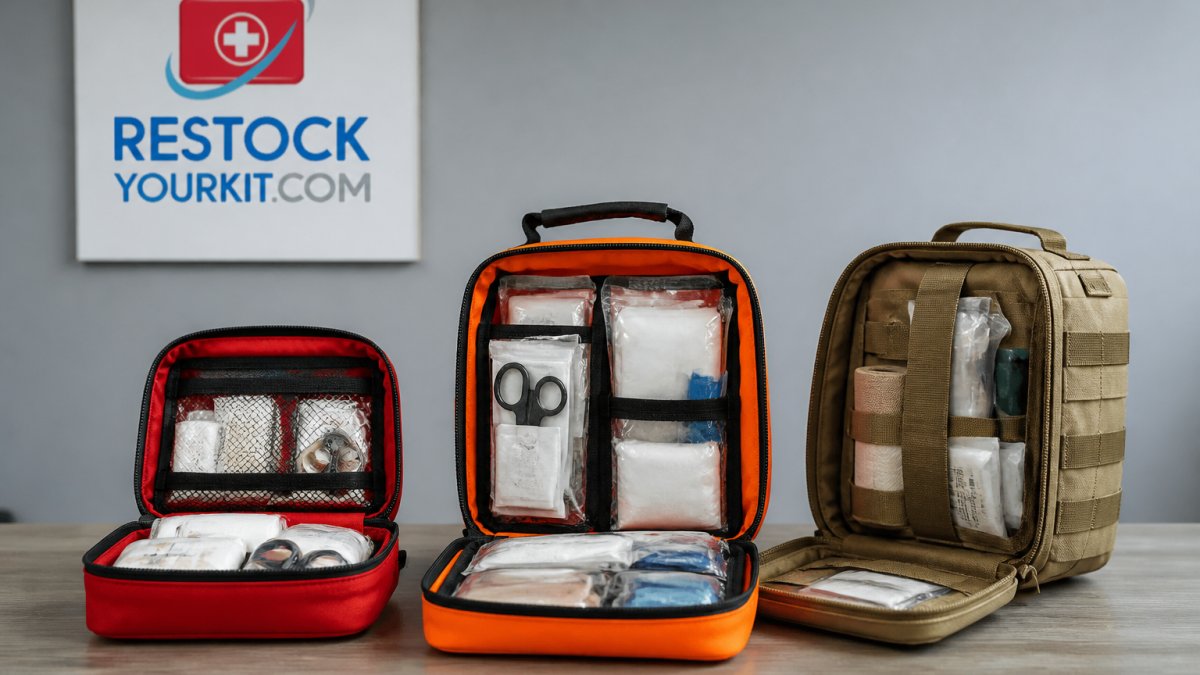
A first aid kit usually gets attention right after something goes wrong - a blister on day two of a trek, a nasty kitchen cut, a kid with a fever at midnight, a crew member who used the last bandage three trips ago. That is exactly why knowing how to restock first aid kit supplies matters. If you wait until the next problem, you are no longer restocking. You are improvising.
For most people, the hard part is not buying more supplies. It is restocking the right supplies, in the right quantities, for the way the kit is actually used. A home drawer kit, a boat bag, a Scout troop trauma pouch, and a remote expedition medical kit should not be refilled the same way.
How to restock first aid kit without wasting money
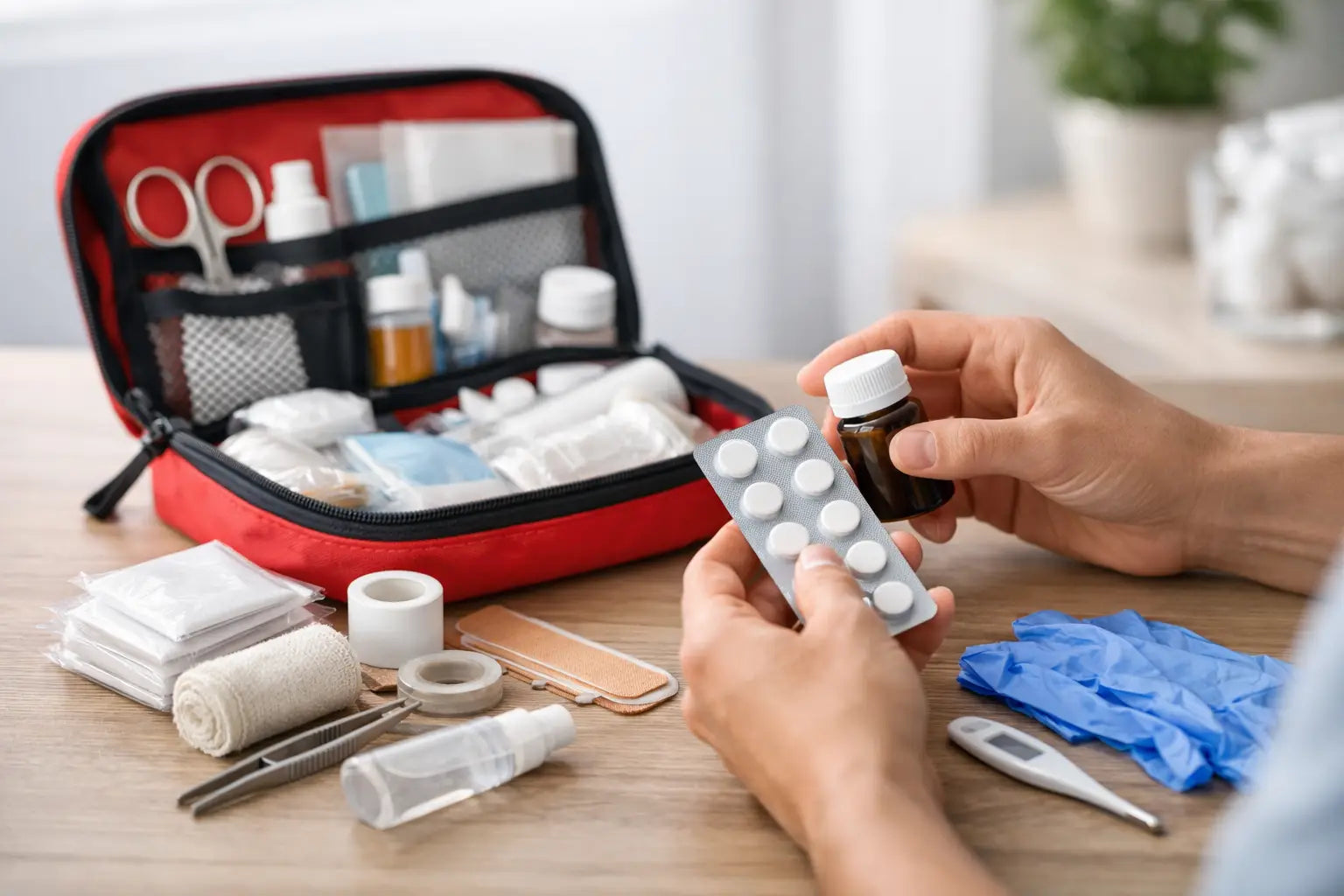
Start by dumping everything out and sorting it into four groups: used up, expired, damaged, and still serviceable. This sounds basic, but it is the fastest way to see whether your kit has a real gap or just clutter. Half-used tape rolls, crushed ointment packets, wet packaging, and mystery pills in unmarked baggies do not belong back in service.
Check packaging as closely as the product itself. In field settings, a sterile pad with torn wrapping is no longer sterile. Medications that rode all summer in a glove box may be less trustworthy even if the printed date is still months away. Heat, moisture, and repeated freezing can shorten the useful life of many supplies.
Then look at what gets used most often. In real-world kits, the basics disappear first: adhesive bandages, blister care, gauze, gloves, tape, antiseptic wipes, and common over-the-counter medications in travel-ready packaging. People often over-focus on dramatic trauma items and understock the things they reach for every month.
That is where buying in practical refill quantities matters. If your only option is a giant retail box of one item and nothing else, you end up with an unbalanced kit. Smaller refill units, individually packaged medications, and modular add-ons let you replace what was actually consumed instead of rebuilding the whole kit from scratch.
Match the refill to the mission
The smartest restock starts with use case, not category. Ask one question first: where is this kit going next?
Home and vehicle kits
A household kit usually sees frequent, low-level use. Think minor cuts, headaches, fever, splinters, and the occasional burn. These kits need depth in everyday basics. Restock items people borrow constantly, and make sure medications are clearly labeled and current. If your vehicle kit lives through hot summers or freezing winters, review meds and adhesives more often than you would an indoor kit.
Hiking, camping, and wilderness travel
A backcountry kit needs a tighter balance between weight and capability. This is where field-tested curation matters. You need supplies that handle blisters, wound care, sprains, minor illness, and environmental exposure, but you also need to think about packaging size, duplicate critical items, and how easy the kit is to use under stress. Bulky extras that never leave the pouch are less helpful than a compact refill system built around likely problems.
Scout groups, crews, and organized trips
Group kits fail when leaders restock for one person and deploy for twelve. If your kit covers a patrol, van trip, summer camp contingent, or high-adventure crew, refill quantities must reflect group size and trip length. Gloves, dressings, moleskin or blister treatment, OTC meds, and tape go fast. If multiple adults may access the kit, clear organization matters almost as much as inventory.
Boating and remote use
Water changes everything. Restock with extra attention to waterproof storage, corrosion, and sealed packaging. Motion sickness, hooks, line cuts, sun exposure, and delayed access to care all shape what belongs in the bag. In remote settings, you may need more depth because replacing a used item is not as simple as stopping at a store on the way home.
What to check before you buy refills
Before reordering, inspect the bag or box itself. Broken zippers, cracked hard cases, faded labels, and sloppy organization slow people down when seconds matter. Sometimes the right restock is not more gauze. It is an empty bag, a better pouch layout, or a dedicated add-on module for meds, trauma, or pet care.
Next, look for gaps created by changing needs. Maybe your household now includes a new driver, a new baby, or backyard chickens. Maybe your hiking kit became a crew kit. Maybe your old home kit never had enough PPE and now clearly should. Restocking is not just replacing what was there before. It is correcting old assumptions.
Be honest about training level too. Advanced supplies are useful when the user knows when and how to use them. Otherwise, they can create false confidence and crowd out basics. A well-stocked practical kit beats a flashy one padded with gear nobody on the trip understands.
The supplies people forget to replace
Most expired-kit cleanouts reveal the same pattern. People replace bandages and forget the support items that make treatment work.
Gloves are a common miss, especially after one pair gets pulled for a quick cleanup and never replaced. Antiseptic wipes, antibiotic ointment packets, burn gel, irrigation supplies, and medical tape also disappear quietly. Oral medications are another weak point. Many kits have a few loose tablets or an old bottle with no easy way to carry doses cleanly into the field.
If your kit supports outdoor travel, blister care deserves its own check. It gets used constantly and often runs out first. The same goes for triangular bandages, elastic wraps, and cold-weather or sun-related support items if your season is changing.
For animal and poultry kits, restocking needs its own schedule. These supplies often live outside the standard family first aid routine, which means they are easy to overlook until a bird is injured or a treatment bottle is nearly empty. Small-quantity restocks make a difference here because many flock owners do not need large-format veterinary inventory sitting on a shelf.
Build a restock rhythm you will actually keep
The best system is the one you will follow without thinking too hard about it. For most households and field users, a full review every six months works well, with a faster check before major trips, camp season, boating season, or winter travel. High-use kits may need monthly attention.
Tie the review to something fixed on your calendar. Daylight saving time, permit season, spring shakedowns, or school-year kickoff all work. Group leaders should inspect kits before departure, not after the trip, because missing items discovered at the trailhead are expensive and annoying.
It also helps to restock immediately after meaningful use. If a weekend campout burned through gloves, gauze, and ibuprofen, refill those items when you unpack. That keeps small use from turning into large gaps.
For people managing multiple kits, standardization saves time. Use the same core items across home, car, go-bags, and field kits where possible. Then add mission-specific modules instead of reinventing every bag. That makes it easier to notice shortages and reorder efficiently.
A smarter way to restock first aid kit supplies
The cheapest refill is not always the best value. Bulk can be smart for high-use items, but it can also leave you with oversized boxes, mismatched packaging, and expired extras you never needed. For many households, leaders, and expedition planners, the better move is targeted restocking: refill the exact medications, PPE, dressings, and specialty items your kit uses in the quantities that fit the mission.
That is especially true when you need individually packaged medications, small-batch refills, or modules built around real-world use instead of generic big-box assumptions. A practical source like RestockYourKit.com makes sense when you want to replace what matters without overbuying the filler.
A first aid kit should feel ready when you grab it. Not mostly ready. Not ready if you also stop at the drugstore. If a trip, season, or busy household is ahead of you, time to restock your first aid kit now - while you still get to choose carefully instead of making do later.