Cart
0
Staring at endless online listings for the best first aid kit for car travel can leave you with more questions than answers. Do you really need 100 assorted bandages? Will the antiseptic wipes dry out in the summer heat? And what’s the real difference between a simple kit for daily commutes and a trauma kit for remote travel? The uncertainty is frustrating when all you want is to be prepared for the unexpected, from a scraped knee at the park to a more serious roadside incident.
This practical buyer's guide is here to give you clear, direct answers. We'll show you which supplies are absolutely essential and which are just filler. We will also compare our top-rated, road-ready kits, highlighting durable, well-organized options that can handle extreme temperatures. Forget the confusion. You'll leave knowing exactly how to select a kit that fits your vehicle and your driving habits, giving you the confidence that you’re truly prepared for whatever the road throws your way.
Why a Generic Store-Bought Kit Isn't Enough for Your Car
It's a common impulse: you see a 150-piece first aid kit on sale for $10 and toss it in your trunk, thinking you're prepared. But when it comes to your vehicle, that generic kit is often a false sense of security. A car isn't a climate-controlled cabinet; it's an environment of extremes with a unique set of risks. The best first aid kit for car emergencies is one designed to handle them, not just paper cuts.
Most cheap, mass-produced kits are simply not built for the harsh reality of being stored in a vehicle year-round. They prioritize a high piece count over high-quality, functional supplies, leaving you dangerously under-equipped when it matters most.
The Problem with Extreme Temperatures
Your car is an oven in the summer and a freezer in the winter, and these temperature swings destroy medical supplies. Searing heat can render adhesive bandages and medical tape completely useless, turning them into a sticky, unusable mess. Liquid-based items like burn gels or antiseptic sprays can spoil or lose effectiveness. Conversely, extreme cold can make plastic containers and tools brittle, causing them to crack and spill their contents or break when you need them.
Missing the Essentials for True Emergencies
Look inside that 150-piece kit. You'll find it's mostly filled with dozens of small, decorative bandages and a handful of alcohol wipes. These kits are designed for minor household scrapes, not the serious injuries that can occur in a vehicle accident. They often fail to meet even basic first aid kit standards for trauma care because they completely lack the tools to manage a real emergency. Key items you won't find include:
- Trauma Dressings & Tourniquets: Absolutely critical for controlling severe, life-threatening bleeding.
- Medical Shears: Necessary for cutting through clothing, seatbelts, or other materials to access an injury.
- High-Quality Nitrile Gloves: Durable gloves that won't tear easily, protecting both you and the injured person.
The truth is that 100 tiny bandages are far less useful than one quality pressure dressing. Finding the best first aid kit for your car means prioritizing quality components that can handle serious trauma over a high quantity of filler items.
The Anatomy of a Great Car First Aid Kit: Beyond Band-Aids
A box of flimsy plastic bandages won't cut it when you're stranded on the side of the road. A truly effective vehicle kit prepares you for scenarios ranging from minor cuts to life-threatening emergencies. Understanding these core components is the first step in choosing the best first aid kit for car safety and evaluating any pre-made option you consider. This framework builds on foundational guidance like the official Red Cross first aid kit checklist but is tailored specifically for vehicle-based incidents.
Trauma and Major Injury Supplies
In a serious collision, uncontrolled bleeding is the most immediate threat to life. Your kit must contain items to stop severe bleeding, fast. Look for compressed gauze for wound packing, a pressure dressing (like an Israeli bandage) to apply firm and direct pressure, and a quality tourniquet for catastrophic limb injuries. Remember to seek proper training for advanced items like tourniquets. More comprehensive kits will also include chest seals for penetrating chest wounds.
Minor Cuts, Scrapes, and Burns
While less dramatic, these are the injuries you'll treat most often. Quality matters here; cheap supplies fail when you need them most. Your kit should have an assortment of durable fabric bandages, antiseptic wipes to clean wounds properly, and single-use antibiotic ointment packets to prevent infection. Also, consider vehicle-specific needs like burn gel or dressings for contact with a hot engine and moleskin for blisters if a breakdown leads to a long walk.
Medications and Personal Care
A sudden headache or allergic reaction can quickly make a drive unsafe. Stock your kit with single-dose, individually packaged over-the-counter medications to ensure they stay sterile and effective. Essential items include pain relievers (like Ibuprofen), antihistamines for allergic reactions (like Benadryl), and antacids. Make it a habit to check and replace any expired medications twice a year.
Essential Tools and Utility Items
The best first aid kit for car emergencies contains more than just medical supplies. These utility items are critical for providing effective aid safely.
- Trauma Shears: To cut through clothing, seatbelts, or other materials.
- Nitrile Gloves: Multiple pairs are essential for personal protection.
- Permanent Marker: To write the time on a tourniquet or take notes.
- Small Flashlight or Headlamp: Emergencies don't just happen in daylight.
- Emergency Blanket: A Mylar blanket is crucial for treating shock and preventing hypothermia.
Top Picks: The Best Car First Aid Kits for Every Driver
The best first aid kit for your car isn't a one-size-fits-all product—it's the one that matches your driving habits and potential needs. Whether you're navigating city traffic or remote backroads, your kit must be tailored to the situations you're most likely to face. Before you buy or build, it’s wise to understand the core essential first aid supplies that form the foundation of any quality kit. From there, you can customize for your specific journey.
For the Daily Commuter: The Compact Essential Kit
For daily drives and short trips, a compact kit that fits in your glove box or center console is ideal. The goal is quick access for common problems like cuts, scrapes, and headaches, not a full-blown trauma bag. Focus on excellent organization and high-quality basics that let you handle minor issues quickly and get back on the road.
- Basic Wound Care: Assorted adhesive bandages, antiseptic wipes, and antibiotic ointment.
- OTC Medication: Single-dose packets of pain relievers (ibuprofen, acetaminophen) and antihistamines.
- Personal Protection: At least one pair of nitrile gloves.
- Serious Bleeding: One quality pressure dressing or trauma pad to control significant bleeding until help arrives.
For the Family Road-Tripper: The Comprehensive Care Kit
Long trips with family require a more robust kit. You need supplies for multiple people, including children, and for ailments common to travel. This kit should be larger and stored securely in the trunk but remain easily accessible. Think beyond basic cuts and scrapes to overall wellness on the go.
- Expanded Basics: Larger quantities of bandages, gauze, and antiseptic supplies.
- Kid-Friendly Items: Character bandages, children’s pain and allergy medication, and sting relief pads.
- Travel Ailments: Supplies for motion sickness, upset stomach (antacids), and allergic reactions.
For the Off-Road Adventurer: The Advanced Trauma Kit
When you travel far from emergency services, your kit becomes a critical piece of survival gear. Finding the best first aid kit for a car venturing into the backcountry means prioritizing major trauma care, as help could be hours away. This is where a generic, pre-made kit often falls short.
- Trauma Supplies: A commercial tourniquet (C-A-T or SOFTT-W), Israeli bandages, chest seals, and a SAM splint.
- Survival Gear: An emergency Mylar blanket, water purification tablets, and a signaling mirror or whistle.
These advanced items require proper training, but having them can be life-saving. Build a kit tailored to your adventures with our custom kit builder.
Build Your Own vs. Pre-Made Kits: A Practical Comparison
When searching for the best first aid kit for your car, a critical question arises: should you buy a pre-packaged kit or build one from scratch? The right answer depends entirely on your needs, budget, and how much time you're willing to invest. Both paths are valid, but they lead to very different outcomes in terms of quality and preparedness. Let's break down the practical differences.
| Factor | Pre-Made Kits | DIY / Custom Kits |
|---|---|---|
| Cost | Lower initial cost, but often requires supplemental purchases and upgrades. | Can have a higher upfront cost, but offers better long-term value. |
| Convenience | High. A single, grab-and-go purchase with no research required. | Lower. Requires time to research, select, and assemble components. |
| Quality & Customization | Variable. Often contains basic, low-quality items and lacks personalization. | High. You select every single component for quality and specific needs. |
The Case for Pre-Made Kits
Pre-made kits are the definition of convenience. They offer a baseline of supplies in one simple package, making them an attractive option for beginners or those seeking a simple solution for minor issues. However, this convenience often comes at the expense of quality. Many off-the-shelf kits are filled with flimsy bandages, ineffective wipes, and cheap tools that can fail in a real emergency. They almost never contain critical trauma supplies needed for a serious vehicle accident.
The Case for Building Your Own (or Customizing)
Building your own kit puts you in complete control of quality and function. You select durable, effective supplies you can trust. This approach allows you to tailor the contents to your specific needs—like adding medications for a family member or robust trauma gear for remote travel. While it requires more initial effort, you gain critical familiarity with every item. Ultimately, the best first aid kit for car emergencies is one you know how to use. The cost doesn't have to be a barrier when you source smart. Shop individual supplies at near-wholesale prices to build or restock your kit.
Maintaining Your Car First Aid Kit: A Simple Checklist
Owning a first aid kit is the first step. Ensuring it's ready to perform in an emergency is the mission. Your vehicle is a harsh environment—subject to extreme heat in the summer and freezing cold in the winter. These conditions can degrade supplies, rendering them useless when you need them most. A simple check-in twice a year is all it takes to keep your kit in life-saving condition. A great time to do this is when you change your clocks for daylight saving time.
The 6-Month Readiness Check
Set a reminder on your phone and run through this quick inspection. It’s a fast, practical way to guarantee your kit is 100% operational and ready for action.
- Check Expiration Dates: Go through every single item with a date, including medications, ointments, sterile wipes, and even adhesive bandages. Expired products lose their effectiveness and sterility.
- Inspect for Damage: Look for signs of heat or cold damage. Are the adhesive bandages brittle and dry? Have any ointment packets leaked? Are liquids cloudy or separated? Discard and replace anything that looks compromised.
- Take Inventory: Make sure everything is present and accounted for. Use the original contents list or our checklist below to see if anything is missing. Ensure items are organized and easy to find.
Restock and Replenish
A first aid kit is not a spare supply cabinet. Never "borrow" an item for a non-emergency scrape at home—that's how critical supplies go missing. The moment you use an item on the road, make a note to replace it immediately. A half-empty kit won't help in a serious situation. The best first aid kit for car safety is a fully stocked one.
Finding high-quality, individually packaged medical supplies to replace just what you need can be a challenge. That's why we make it easy. From a single packet of antibiotic ointment to a specific type of trauma dressing, we have you covered. It's what we do.
Ready to restock? Shop individual supplies now and get your kit back in fighting shape.
Your Printable Maintenance Checklist
Take the guesswork out of your readiness check. Download and print this simple checklist to keep inside your kit.
Download Your Checklist (PDF)Drive with Confidence: Final Thoughts on Your Car First Aid Kit
Choosing the right first aid kit for your vehicle is about more than just checking a box. As we've covered, a generic store-bought kit is rarely sufficient for roadside emergencies, and a truly effective kit is one that's both comprehensive and regularly maintained. Ultimately, the best first aid kit for car safety is the one you have with you, fully stocked and ready for the unexpected.
Don't wait for an incident to discover your supplies are inadequate. At RestockYourKit.com, we make preparation simple and affordable. As the official, trusted shop of the Center for Wilderness Safety, we provide everything you need to be ready. You can build custom-built kits for any adventure or restock with individual supplies at near-wholesale prices. It's what we do.
Be prepared on the road. Build your custom car kit or shop our expert-approved supplies.
Drive safer and with greater peace of mind knowing you’re ready for whatever the road throws your way.
Frequently Asked Questions
What is the single most important item to have in a car first aid kit?
While every item has a purpose, the most critical supplies are those for controlling severe bleeding. A quality tourniquet and a pressure dressing or trauma bandage are non-negotiable. In a serious car accident, a major bleed can be fatal in minutes. Having the right tools to stop massive blood loss until emergency services arrive is the absolute top priority. These items are what separate a basic "boo-boo kit" from a true life-saving vehicle kit.
How often should I check and restock my car first aid kit?
Check your car's first aid kit at least twice a year—a good habit is to do it when you change your clocks for daylight saving time. Look for expired items like medications and ointments, and check for supplies damaged by temperature extremes. Most importantly, immediately replace any items you use. An empty bandage wrapper is a reminder to restock so your kit is always ready for the next emergency. Being prepared is an ongoing process.
Are there any laws in the U.S. that require a first aid kit in a personal vehicle?
In the United States, there are no federal laws requiring a first aid kit in a private, personal vehicle. However, regulations from agencies like OSHA (Occupational Safety and Health Administration) do mandate them for commercial and work vehicles. While not legally required for your personal car, being prepared for common injuries or a serious accident is a practical necessity. Having a well-stocked kit is simply smart, responsible practice for any driver.
What's the best way to store a first aid kit in a car to protect it from extreme temperatures?
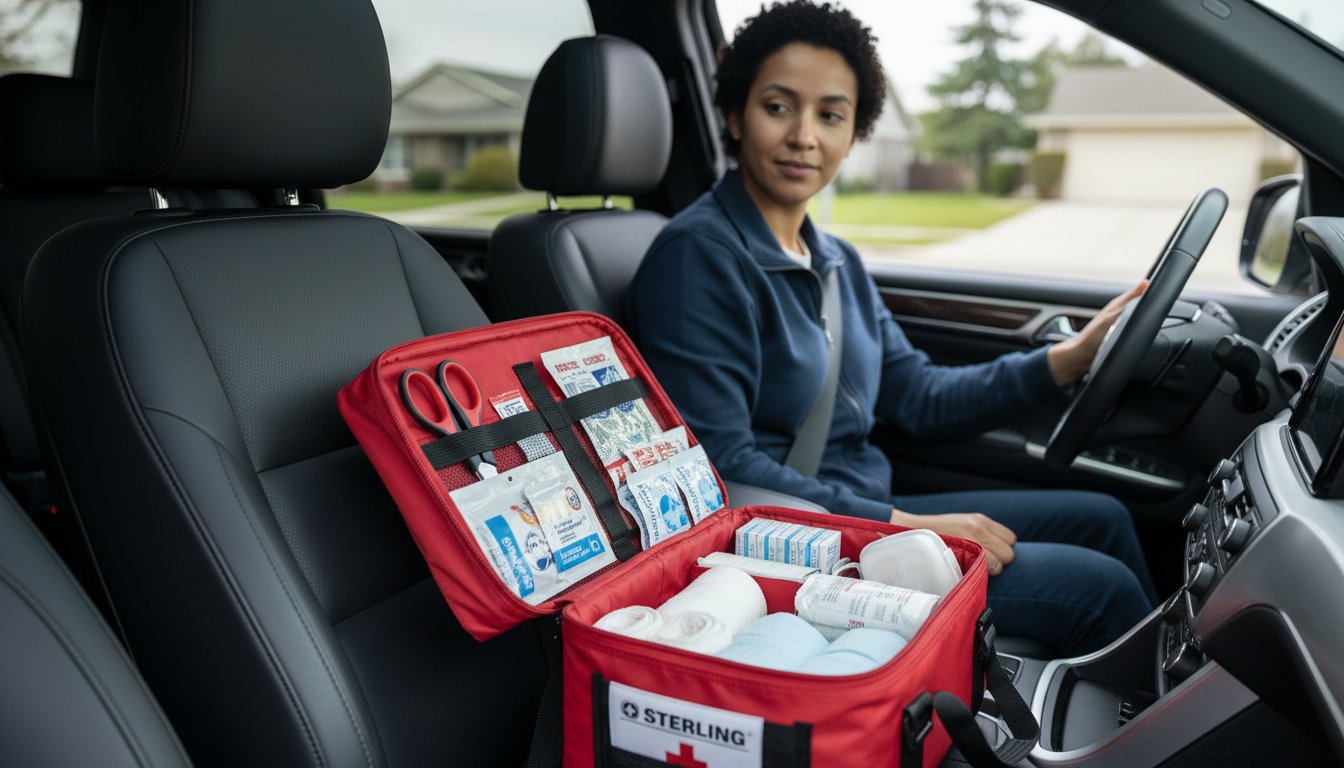
The best place is inside the main cabin, not the trunk. Areas like under a seat or in a seat-back organizer are ideal as they are more protected from extreme heat and cold. The trunk can experience massive temperature swings that degrade adhesives on bandages and damage medications. Choose a kit in a durable, well-insulated bag to further protect its contents. Easy access is just as important, so ensure it's stored where you can grab it quickly.
Can I include my personal prescription medications in my car's first aid kit?
It is not recommended to store personal prescription medications in your car's first aid kit. The extreme temperatures inside a vehicle can render many medications, like insulin or EpiPens, ineffective or even harmful. Instead, carry any necessary daily medications with you in a purse or bag. For emergency purposes, keep a waterproof card in your kit that lists your prescriptions, dosages, allergies, and emergency contacts for first responders.
What's the difference between a First Aid Kit and an IFAK or Trauma Kit?
A standard first aid kit is for minor injuries: scrapes, small cuts, burns, and common pains. It includes adhesive bandages, antiseptic wipes, and over-the-counter pain relievers. An IFAK (Individual First Aid Kit) or Trauma Kit is for life-threatening injuries, focusing on massive hemorrhage and airway issues. These contain tourniquets, chest seals, and pressure dressings. The best first aid kit for car emergencies often combines elements of both to handle any situation.