Cart
0
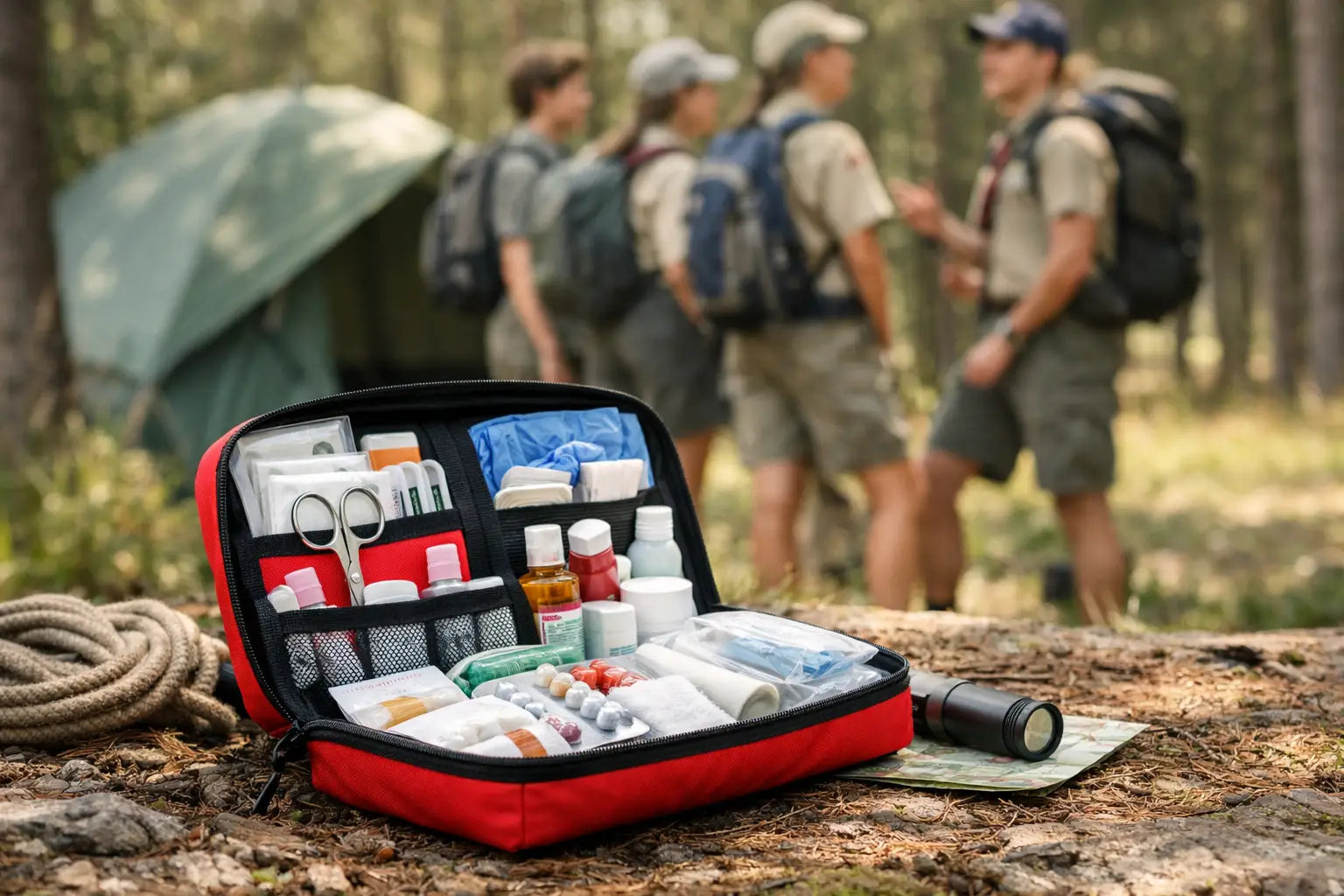
A scraped knee at a weekend campout is easy. A blistered hiker three miles from the trailhead, a burned hand at the patrol stove, or an allergic reaction during a summer trek is where kit quality starts to matter. The best first aid kit for scouts is not the smallest, cheapest pouch on a big-box shelf. It is the kit that matches the trip, the group size, and the skill level of the adults and youth carrying it.
Scouting puts first aid kits through real use. Gear gets wet, supplies get borrowed, and the same kit may cover everything from a day hike to a multi-day high adventure trip. That is why a good scout kit needs more than a few bandages and a pair of flimsy scissors. It needs to be organized, easy to restock, and built around the injuries and illnesses that actually show up outdoors.
What makes the best first aid kit for scouts?
The short answer is this: it depends on where your Scouts go and how they travel. A den or pack walking paved nature trails does not need the same setup as a troop heading into the backcountry, and neither should be carrying a vehicle trauma bag if all they need is basic care for minor injuries.
The best kits for scouts share a few traits. First, they are sized for the group, not just for one person. Second, they include supplies that solve common field problems like blisters, cuts, burns, splinters, bites, strains, and upset stomachs. Third, they are packed so someone can find what they need quickly under stress. Last, they are refillable without replacing the entire kit every season.
That last point gets overlooked. A kit is only useful if it is stocked when you need it. Scout leaders know this problem well. After one camporee, the gloves are gone, the ibuprofen packets are missing, and the moleskin has been cut into scraps. A scout-ready first aid kit should be easy to inspect and easy to rebuild before the next outing.
Match the kit to the outing
A smart way to choose a kit is to stop asking for one perfect kit and start thinking in layers. Most scout groups need a personal kit, a patrol or crew kit, and access to a more complete group or vehicle kit.
A personal kit should stay light. It covers the basics a Scout may need during the day without digging into the troop supply. Think adhesive bandages, a few blister items, any personal medications, and perhaps a couple of common OTC packets if your unit policies and local rules allow. This is not the place for bulky extras.
A patrol or crew kit is where the real work happens. It should be compact enough to carry but complete enough to handle the usual outdoor issues until the person can walk out, get to camp, or reach higher care. For most troops, this is the best first aid kit for scouts to focus on first because it gets used the most.
Then there is the basecamp or vehicle kit. This is the larger support kit that holds extra dressings, trauma supplies, medications, cold packs, wraps, and refill items. It is not meant to go in every daypack, but it should be close enough to support the unit when incidents stack up.
What should be inside a scout first aid kit?
A useful scout kit starts with wound care, but it should not end there. Outdoor groups need supplies that reflect actual trail and camp problems.
Bandages and gauze matter, of course, but so do blister supplies that work after miles of hiking. Moleskin, hydrocolloid blister dressings, tape, and a small way to clean and dry skin before application all earn their place. If your unit hikes often, blister care may get used more than adhesive bandages.
Gloves and basic PPE belong in every kit. So do antiseptic wipes, tweezers, trauma shears, elastic wrap, triangular bandage, and a few dressings that can handle more than a paper cut. Burns are common around stoves and lanterns, so burn gel or burn dressings are worth including.
Medications deserve more thought than many kits give them. Single-dose packets are usually more practical for scouts than half-used bottles rolling around in a pouch. They are cleaner, easier to monitor, and easier to restock. Depending on your policies, trip type, and leadership training, your group kit may include common OTC options for pain, allergy symptoms, stomach upset, and diarrhea. The right answer varies by unit, age group, and medical forms on file.
Do not ignore environmental needs. Insect sting care, tick tools, sunscreen packets, and after-bite relief can be just as useful as gauze in many parts of the US. On longer treks, you may also want irrigation supplies for wound cleaning and extra gloves for repeated care.
The trade-off between compact and complete
The biggest mistake in picking the best first aid kit for scouts is buying by appearance. A sleek little zip pouch may look organized online, but if it cannot cover your group for an entire weekend, it is too small. On the other hand, a giant overstuffed bag is no bargain if nobody wants to carry it.
This is where field-tested curation matters. The right kit balances likely incidents against weight and bulk. For a front-country troop campout, you can afford more volume. For a backpacking crew, every ounce counts, so each item has to earn its place.
Organization matters just as much as contents. Supplies should be grouped by use so a leader can find blister care, wound care, medications, or wraps fast. Clear labeling saves time and reduces the temptation to dump everything out on the ground. If you have ever tried to locate tweezers in fading light while a Scout is upset and a line of kids is forming to help, you already know why layout matters.
Why refillable kits usually win
Scout kits get used unevenly. You might go all year without opening a trauma dressing, then run through half your adhesive bandages and antihistamine packets in one event. That is why refillable systems make more sense than disposable grab-and-go kits.
A refill-friendly setup lets you replace what was used without paying again for items you still have. It also helps leaders standardize supplies across patrols, trailers, and leader packs. If every kit is built from the same core categories, inspections get faster and restocking gets cheaper.
This is also where individually packaged supplies shine. Small-quantity refills are practical for troops that do not want to buy clinic-sized cases just to replace a few missing items. A leader should be able to rebuild the kit for next month, not wait until enough things run out to justify a big bulk order.
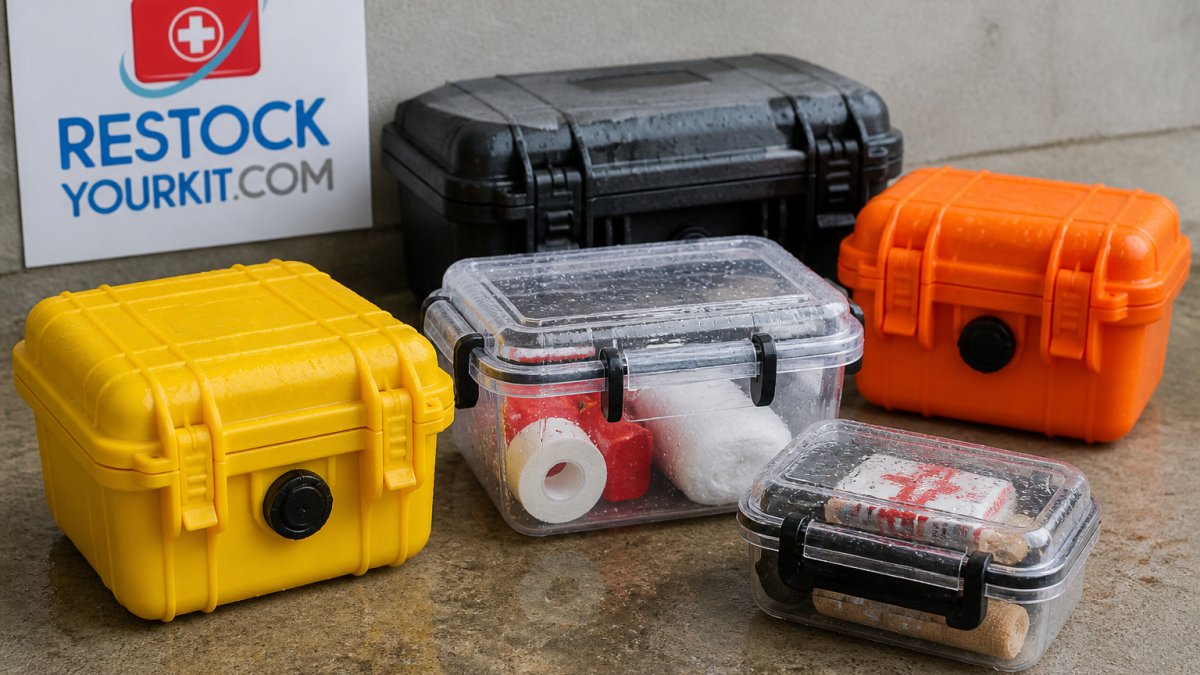
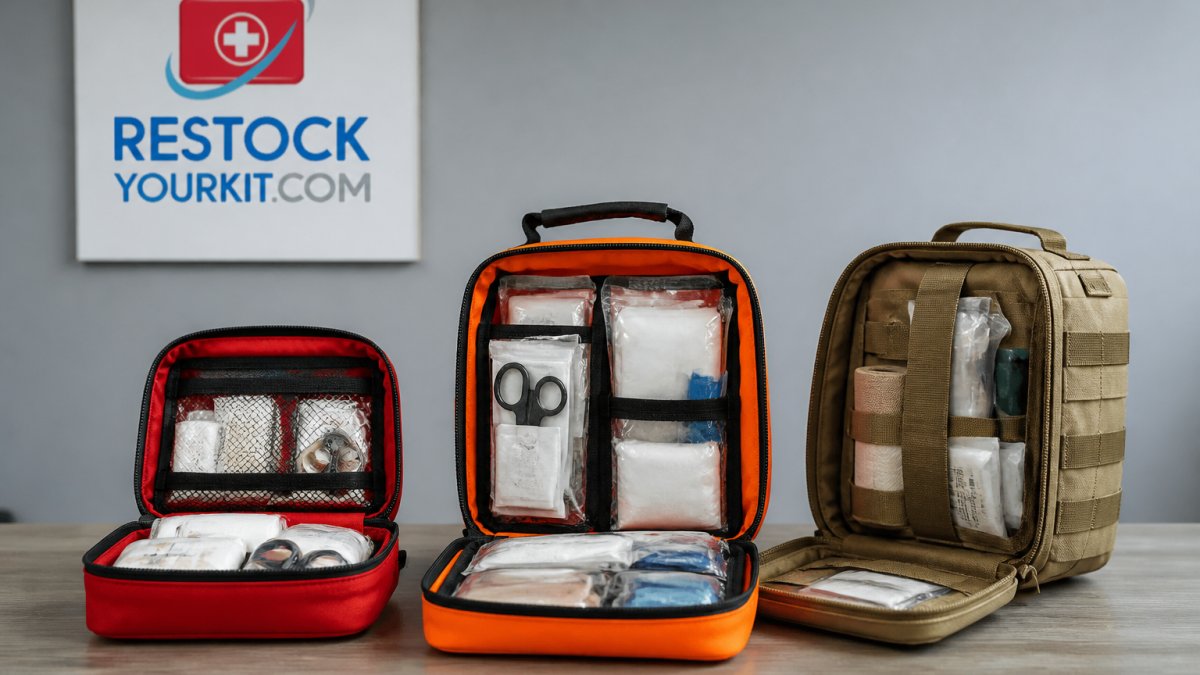
For units that want a more practical shopping path, RestockYourKit.com is built around that refill logic, with complete kits, modules, and small-quantity resupply for real field use rather than generic household filler.
A good scout kit is only as good as the people using it
Even the best-packed kit has limits. A first aid kit is not training. Scouts and leaders still need to know how to assess a problem, when to monitor, when to stop the activity, and when to evacuate or call for higher care.
That is especially true on remote trips. A wilderness setting changes the equation because help may be delayed, weather may complicate care, and simple problems can escalate when someone keeps hiking on them. Blisters become mobility issues. Mild dehydration becomes heat illness. A small cut gets dirty fast around camp.
The most useful kit is one that matches your group's training level. If your adults are wilderness first aid trained and your itinerary includes remote travel, your kit can be built with more intention. If your unit mostly does front-country outings with newer leaders, simpler organization and strong basics may be the better choice.
How Scout leaders should actually choose
Start with your most common outing, not your most ambitious one. Build for the campouts, hikes, and service weekends you do all the time. Then add modules for higher-risk trips such as backpacking treks, aquatics events, or long summer adventures.
Think about group size honestly. A kit that claims to serve twenty people may be counting only minimal supplies for minor scrapes. For an active troop, a weekend's worth of real use will tell you more than marketing language ever will.
Finally, assign ownership. One adult or youth quartermaster should inspect the kit after every trip, replace opened or expired items, and note what keeps getting used. That pattern tells you whether your kit is realistic. If you are constantly borrowing blister care from another leader or discovering you ran out of gloves months ago, the kit is not ready.
The best first aid kit for scouts is the one you can carry, trust, and restock before the next trip. Build it for the field, not the shelf. Then check it now, while there is still time to fix what is missing.