Cart
0
A home kit usually gets attention after something goes wrong. The power is out, someone is vomiting, a storm just pushed debris through the yard, or you realize your glove box has three loose bandages and one expired mask. That is the wrong moment to figure out what protective gear you actually need.
For most households, PPE is not about building a hospital supply room. It is about creating a small, usable layer of protection between you and blood, vomit, stool, dust, chemicals, or respiratory spread while you handle the first few minutes of a problem. Good home preparedness is practical. It should match the kinds of jobs real people do in garages, kitchens, bathrooms, backyards, cars, and on the road.
What ppe supplies for home preparedness actually means
When people hear PPE, they often think of pandemics or jobsite equipment. At home, the definition is wider and more useful. PPE supplies for home preparedness are the disposable or reusable barriers that help you care for someone, clean up safely, or reduce exposure during a short-term emergency.
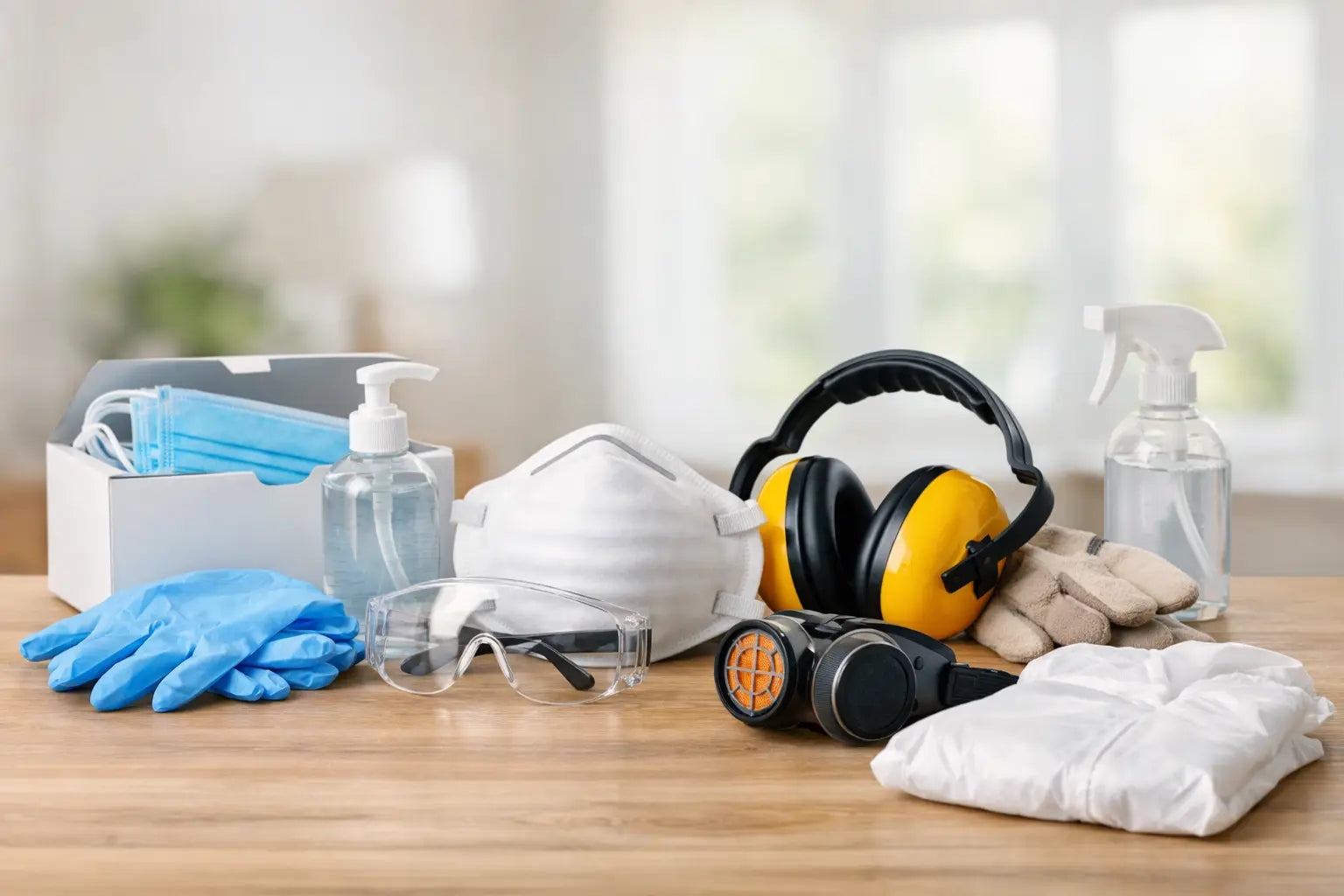
That usually means gloves, face masks, eye protection, and a few task-specific items. In some homes, it also includes gowns or aprons, hand sanitizer, and heavy-duty cleanup gloves. If you care for kids, older adults, or anyone with a chronic illness, your PPE needs may be higher. If your household spends time boating, camping, hunting, scouting, or traveling in groups, you may already know that the home kit often becomes the base kit for everything else.
The goal is not to stock the most gear. The goal is to stock the right gear in the right quantities, so it is there when you need it and easy to replace after use.
Start with the jobs, not the products
The easiest way to build a better PPE shelf is to think through likely scenarios. A nosebleed or kitchen cut calls for disposable gloves and maybe eye protection if blood could splash. A stomach bug cleanup may call for gloves, a mask, and clothing protection. Smoke, wildfire ash, sawdust, insulation, or heavy sweeping can justify particulate masks. Broken glass cleanup may need thicker gloves than the thin exam pair in a first aid pouch.
This is where a lot of households overbuy one category and miss another. They buy a large box of gloves and nothing to protect their eyes. Or they buy masks but forget that a sick room setup also needs tissues, hand cleaner, thermometer covers, and trash bags. Preparedness works better when you build for tasks.
Disposable gloves are your first line item
For most homes, nitrile exam gloves are the best starting point. They handle first aid, bodily fluid cleanup, and general contamination control well. Nitrile also avoids the latex allergy issue that can create problems for family members or guests.
Fit matters more than people think. Gloves that are too large tear more easily and make fine tasks harder. Gloves that are too small can split at the cuff when you are moving quickly. If more than one adult may use the kit, stocking two sizes is usually smarter than buying one large box and hoping it works for everyone.
There is also a difference between sterile and non-sterile gloves. For normal home first aid and cleanup, non-sterile exam gloves are usually enough. Sterile gloves have a place, but most households get more value from a larger, restockable supply of standard exam gloves.
Masks depend on the risk
A simple face covering is not the same thing as a respirator. If your concern is reducing spread from coughs and close-contact illness in the house, procedure masks can be useful. If your concern is wildfire smoke, dust, insulation, or airborne particles during cleanup, a respirator-style mask such as an N95 is the better fit.
This is one of those it-depends categories. A family with asthma, regular travel, or seasonal smoke exposure should probably keep more respirator protection on hand. A household focused mostly on caregiver situations may put more emphasis on procedure masks. Either way, masks should be stored clean and dry, and you should know what they are for before an emergency starts.
Eye protection is often missing
Blood, vomit, chemical splash, and flying debris do not care whether you own safety glasses. Yet eye protection is one of the most overlooked parts of home readiness. A basic pair of wraparound safety glasses or protective goggles can make a real difference during cleanup, repairs, storm debris removal, and some first aid situations.
If you wear prescription glasses, do not assume they count. Some provide limited coverage, but they are not designed for splash or impact protection in the way dedicated safety eyewear is.
Build around layers of use
The best home PPE setup is not one giant tote that lives in the basement. It is layered. Keep a small amount where problems happen fast, and hold your deeper stock where you can restock from it.
A kitchen or main first aid kit should have at least a few pairs of gloves, one or two masks, and compact eye protection if space allows. A bathroom or sick-care bin can hold extra gloves, masks, sanitizer, disinfecting supplies, and waste bags. A garage or utility area may need heavier work gloves, dust masks or respirators, and eye protection for cleanup jobs. If you keep a vehicle kit, a few pairs of gloves and a mask make sense there too.
This layered approach matters because emergency gear that is too centralized often goes unused. People will skip protection if it means walking to the far side of the house while a child is bleeding in the kitchen.
Don’t ignore cleanup PPE
Home preparedness is not just injury care. It is also sanitation. Gastro illness, pet messes, sewage backups, and storm-related contamination are common reasons households burn through PPE faster than expected.
That is where a second category helps: cleanup-only gear. Thick nitrile or rubber cleaning gloves, disposable aprons, absorbent materials, paper towels, disinfectants, and trash bags do not replace medical PPE, but they support it. For messy jobs, they often preserve your exam gloves for patient care instead of forcing you to use them for every dirty task.
If your household includes pets or backyard poultry, this gets even more practical. Animal care often means you need a clean pair of gloves for treatment and a separate set for pen, coop, or waste handling. Cross-contamination is easy if you are not thinking ahead.
Quantity matters more than most people expect
A single incident can burn through your supply quickly. You tear one glove while opening packaging. You double-glove for a messy cleanup. You use one mask for care and another during cleaning. Suddenly the five-pack you tossed in a drawer does not look like preparedness.
That is why refill-friendly purchasing matters. PPE is one of the least useful categories to buy once and forget. It gets used, exposed to heat, crushed in bags, and borrowed from kits. Home readiness works better when you can restock in practical quantities instead of waiting until you have run out completely.
For many households, individually packaged or small-quantity options make more sense than warehouse-style bulk. They are easier to stage in multiple kits, easier to inspect, and easier to replace without overcommitting to one item you may not use evenly.
How to choose better ppe supplies for home preparedness
Start with three questions. What are you most likely to face, who may need to use the gear, and where will the gear actually live?
If your home has frequent cuts, active kids, and outdoor projects, prioritize exam gloves and eye protection. If respiratory illness circulates often, increase mask depth and caregiver supplies. If you live in a wildfire zone or deal with dust-heavy cleanup, put real respirators into the plan. If you manage a larger household, Scout group, boat crew, or travel team, scale quantities early rather than trying to stretch a small household pack across a dozen people.
Quality also matters. Cheap gloves fail at bad times. Masks that do not fit will not get worn. Eye protection that fogs badly often gets pushed up onto the forehead, which defeats the point. Field-tested, refillable supplies tend to perform better because they are chosen for actual use, not just shelf appeal.
That is one reason many prepared households build from the same logic they use for first aid kits: modular, task-based, and easy to refill. At RestockYourKit.com, that approach shows up across kits, add-ons, and refill categories because readiness is rarely one purchase. It is maintenance.
Store it like you plan to use it
Heat, moisture, and disorganization ruin good intentions. Keep disposable PPE clean, dry, and protected from crushing. Label bins clearly. Separate medical care items from dirty-job cleanup gear. Check fit and counts before flu season, storm season, and major travel. If something has been opened, used, or stored badly, replace it.
A home PPE plan does not need to be complicated. It needs to be honest. Build for the emergencies you are actually likely to face, keep gear where hands can reach it fast, and restock before the shelf looks empty. Preparedness gets easier once your supplies match real life.