

MFASCO Alternatives for Home Medical Kits
Table of Contents
- Why Home Medical Kits Matter Beyond MFASCO
- Professional Grade First Aid Supplies You Can Buy Individually
- Pre-Built Home Medical Kits: Cost Comparison and Value
- Custom First Aid Kit Refills and Restocking Systems
- Emergency Medical Kit Checklist for Home Preparedness
- OSHA and ANSI Compliance in Home Medical Supply Selection
- Antibiotic Resistance and Responsible Kit Usage
- Expiration Date Management and Inventory Tracking
- Frequently Asked Questions
Last Updated: September 3, 2026
Why Home Medical Kits Matter Beyond MFASCO
A well-stocked home medical kit keeps essential items within arm's reach for emergencies, from minor cuts to seasonal illness. The challenge is finding the right balance between comprehensive coverage and affordability without settling for overpriced pre-built options.
At RestockYourKit.com, we understand the frustration of generic kits that include supplies you'll never use while missing items you actually need. The better approach is understanding what alternatives exist and how to build a kit matching your specific situation, whether you need professional grade supplies, custom refill options, or a complete emergency preparedness solution.
Professional Grade First Aid Supplies You Can Buy Individually
Building a professional grade collection from scratch gives you complete control over what you stock. Rather than accepting whatever comes in a pre-assembled kit, you can select components based on your household's real needs.
Start with essentials: sterile gauze pads (2x2 and 4x4 sizes), adhesive bandages in multiple shapes, elastic bandages, and antibiotic ointment. Add OTC medications like ibuprofen, aspirin, diphenhydramine, and hydrocortisone cream. Include antiseptic wipes, alcohol wipes, and povidone-iodine wipes for wound cleaning. For trauma supplies, add trauma shears and nitrile gloves.
The advantage is purchasing larger quantities of items your household uses frequently. If you have kids, stock more adhesive bandages. If you're prone to allergies, prioritize antihistamines. If someone manages a chronic condition, include relevant supplies without paying for unnecessary items.
RestockYourKit.com offers individual quantities at near-wholesale prices, so you're not forced to buy in bulk quantities designed for commercial settings. This works especially well if you already have a kit and need to restock specific items.
Pre-Built Home Medical Kits: Cost Comparison and Value
Pre-built kits offer convenience at the cost of some customization. The real question is understanding the value proposition of each option available.
Basic Car and Home Kit for Everyday Emergencies
The Basic Car + Home First Aid Kit from RestockYourKit.com at $19.99 represents the entry point for families wanting a ready-to-use solution. This kit includes wound management supplies, essential medications, trauma tools, and antiseptic wipes. It's designed for 6-8 people and covers 1-3 days of typical emergencies.

It's ideal for families who want something ready now without spending time researching individual components. The compact size fits easily in a car glove compartment or kitchen cabinet.
The trade-off is that you get what the kit includes, not necessarily what you'd choose. If your household has specific medication sensitivities or needs, you may end up with supplies you won't use.
Individual Kits for Personal and Small-Group Use
For outdoor enthusiasts, scouts, or small group leaders, the Individual First Aid Kit at $41.99 is purpose-built for 1-2 people on weekend trips. It includes specialized items like blister pads, moleskin sheets, and tincture of benzoin that a basic home kit might omit.
The Ultralight Hiker First Aid Kit at $29.99 strips weight down to 9 ounces while maintaining comprehensive coverage. Designed by an experienced Appalachian Trail thru-hiker, it includes a tick twister with identification card, a critical tool for backcountry travel that most basic home kits lack.
For serious wilderness medicine preparation, the Weekender Backcountry First Aid Kit at $64.99 is the most comprehensive option. At 1 pound 7 ounces, it includes everything from lighter kits plus an emergency space blanket, rescue whistle, wilderness first aid field guide, and extra trauma supplies.
| Kit | Price | Best For | Group Size | Duration |
|---|---|---|---|---|
| Basic Car + Home | $19.99 | Everyday emergencies | 6-8 people | 1-3 days |
| Individual | $41.99 | Weekend outings | 1-2 people | 3-5 days |
| Ultralight Hiker | $29.99 | Backcountry travel | 1-2 people | 5-7 days |
| Weekender Backcountry | $64.99 | Remote wilderness | 1-5 people | 3-5 days |
The value calculation depends on your actual usage. A family keeping one kit in the car and one in the kitchen might find the Basic Car + Home Kit sufficient. Someone who regularly hikes will get better value from a specialized kit built for their environment.
Custom First Aid Kit Refills and Restocking Systems
One overlooked advantage of working with a dedicated medical supply source is the ability to refill and restock systematically. Most people either never refill their kits or wait until they notice something is missing, often during an actual emergency.
RestockYourKit.com offers refill options that let you replace used or expired supplies without buying an entirely new kit. All kits are custom built-to-order to ensure customers receive the longest medication expiration dates possible, with 3-5 business days for assembly and shipping.
The modular approach means you can purchase specific modules (wound management, medications, orthopedic support) rather than complete kits. If you've used most of your antiseptic wipes but still have plenty of bandages, you can restock just the wipes. This flexibility reduces waste and keeps your kit current without overspending.
For households managing multiple kits, car, home, office, travel bag, a refill system prevents depletion in one kit while others sit untouched. Families with children, elderly members, or anyone managing chronic health conditions benefit most, as their consumption rates are higher and more predictable. nasal care products.
Emergency Medical Kit Checklist for Home Preparedness
A comprehensive emergency medical kit checklist ensures you're not caught without critical items. The specific items you need depend on your household composition, any chronic health conditions, and your environment.
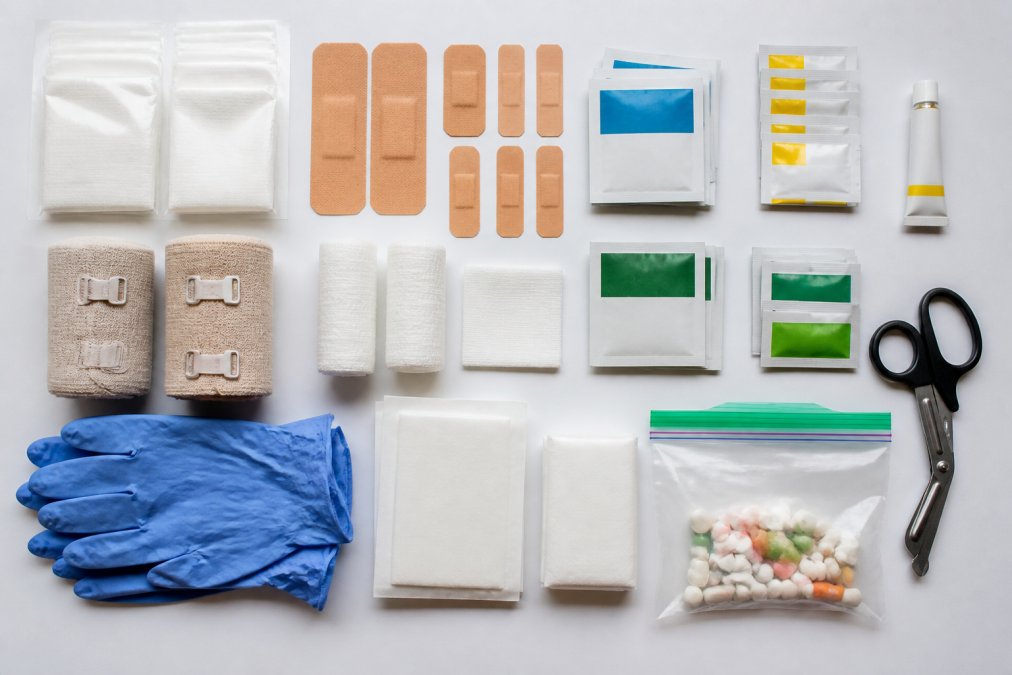
Essential Tools and Instruments: Nitrile gloves, trauma shears, splinter forceps, CPR mask, bio-hazard bags, and thermometer.
Wound Management Supplies: Adhesive bandages (regular, knuckle, fingertip, and large sizes), sterile gauze pads (2x2 and 4x4), gauze rolls, hypoallergenic surgical tape, and cotton-tipped applicators.
Medications and Wipes: Aspirin, ibuprofen, diphenhydramine, hydrocortisone cream, triple-antibiotic ointment, antacid tablets, alcohol wipes, povidone-iodine wipes, and antiseptic wipes.
Orthopedic Support: Elastic bandages (4-inch), triangular bandages, silk tape (1-inch), and cold compress packs.
Specialized Items (if relevant): Blister pads, moleskin sheets, burn gel packets, tincture of benzoin, tick removal tool (if in tick-prone areas), and emergency space blanket (if anyone does outdoor activities).
Match your checklist to your actual risk profile. A family in an urban area with immediate hospital access has different needs than someone in a rural location with delayed emergency response times.
OSHA and ANSI Compliance in Home Medical Supply Selection
While home medical kits aren't subject to workplace regulations, understanding OSHA and ANSI standards helps you select supplies meeting professional-grade quality expectations. These standards define what constitutes appropriate medical supplies for emergency response.
ANSI standards provide guidelines for first aid kit contents and maintenance (ansi.org). The practical implication: supplies meeting these standards are tested for sterility, efficacy, and shelf-life stability. When you select supplies complying with these standards, you're choosing items validated for actual emergency use.

RestockYourKit.com sources supplies meeting professional standards, even though they're used in home settings. This ensures that when you need your kit, the supplies will perform as intended.
Antibiotic Resistance and Responsible Kit Usage
One overlooked aspect of home medical kit management is understanding antibiotic resistance and when to use antibiotic ointments responsibly. Triple-antibiotic ointment appears in nearly every commercial kit, but overuse contributes to a serious public health problem.
For minor cuts and scrapes, proper wound cleaning with soap and water is often sufficient. Antibiotic ointment is appropriate for deeper wounds, puncture wounds, or situations where infection risk is elevated. Use antibiotic ointment when indicated, not as a default for every wound.
When stocking your kit, include antibiotic ointment but establish a household understanding of when to use it. This prevents unnecessary use while ensuring you have the supply when genuinely needed.
Expiration Date Management and Inventory Tracking
The most common failure of home medical kits is expiration. Medications lose potency over time, and sterile supplies may no longer be sterile once they exceed shelf-life. A kit with expired supplies is essentially useless in an emergency.
Establish a tracking system that works for your household, a spreadsheet, calendar reminder, or physical checklist. Set a specific date twice yearly to review all kits. During your review, check expiration dates on all medications and supplies, remove anything expired, and note what needs restocking.
For households with multiple kits, tracking becomes more important. Some items (medications) need checking more frequently than others (sterile gauze, which lasts longer if kept sealed).
RestockYourKit.com's custom build-to-order approach helps with expiration management because kits are assembled with the longest possible shelf-life dates. When you refill, you're starting with fresh supplies rather than items manufactured months before purchase.
A practical inventory tracking approach:
- Check all kits for expired items (set calendar reminder)
- Document expiration dates for medications specifically
- Note items used since last check
- Order refills for expired or depleted supplies
- Update your checklist with new expiration dates
- Store kits in cool, dry locations to extend shelf-life
Building an effective home medical kit doesn't require buying from a single vendor or settling for pre-assembled options that don't match your needs. The best approach combines understanding your household's actual medical needs with access to professional grade first aid supplies you can customize and maintain. RestockYourKit.com provides both individual components and pre-built options to support whatever approach works best for your situation. Start with the basics, add items specific to your household, and establish a regular maintenance schedule. That combination, customization plus consistency, is what separates effective home medical kits from supplies that sit unused until they expire.

Frequently Asked Questions
What is the best alternative to MFASCO for home medical kits?
Pre-built home medical kits from suppliers like RestockYourKit.com offer options for most households. The Basic Car + Home First Aid Kit costs $19.99 and covers 6-8 people with supplies for common injuries. For those wanting customization, professional-grade first aid supplies can be purchased individually and assembled into kits tailored to your specific needs.
How do I know if a home medical kit meets safety standards?
Look for kits that comply with relevant safety guidelines and standards for first aid equipment. Check that sterile gauze, antiseptic wipes, and medications have clear expiration dates. Reputable suppliers build kits with individual waterproof resealable bags to protect contents and ensure longest shelf-life. Request information about sourcing and inventory rotation practices to confirm supplies are current.
What should an emergency medical kit checklist include?
A comprehensive home medical kit should contain: sterile gauze pads (2x2 and 4x4 inch), adhesive bandages in multiple sizes, elastic bandages for sprains, trauma shears, nitrile gloves, antiseptic and alcohol wipes, triple-antibiotic ointment, pain relievers (aspirin and ibuprofen), antihistamines (diphenhydramine), hydrocortisone cream, and a CPR mask. Include burn treatment supplies like blister pads and moleskin. Organize items by category in waterproof bags for quick access during emergencies.
Can I customize first aid kit refills for my specific needs?
Yes. Custom first aid kit refills allow you to restock only the supplies you've used and adjust contents based on your household or activity needs. Purchase individual items in smaller quantities at near-wholesale prices instead of replacing entire pre-built kits. Many suppliers offer modular refill systems where you select quantities of gauze, medications, bandages, and tools separately. This approach is cost-effective and ensures your kit stays current with your actual usage patterns.
How do I manage expiration dates in my home medical kit?
Track expiration dates by writing them on the outside of medication packets and supply bags with a permanent marker. Check your kit twice yearly and replace any expired items immediately. Store supplies in a cool, dry place away from direct sunlight to extend shelf-life. Consider using a simple spreadsheet or calendar reminder to flag expiration dates three months in advance. When restocking with custom refills, request the longest-dated supplies available to maximize the time before your next refresh.