

How to Prepare for Tick Season: Essential Steps
Table of Contents
- Understanding Tick Habitats and High-Risk Areas
- Selecting Proper Clothing and Protective Gear
- Best Tick Repellent for Humans: EPA-Approved Options
- Performing Thorough Tick Checks After Outdoor Activity
- How to Remove a Tick Safely: Tools and Technique
- Tick Bite Symptoms to Watch For and When to Seek Help
- Creating Tick-Safe Zones in Your Yard and Home
- Preparing Your First Aid Kit for Tick Season
Last Updated: August 26, 2026
Understanding Tick Habitats and High-Risk Areas
Ticks thrive in moist, shaded areas with leaf litter, tall grass, and brush. Wooded areas, overgrown gardens, and lawn-forest edges create ideal conditions for tick populations to flourish.
Blacklegged ticks, the primary vector for Lyme disease, remain a threat across much of the year. Tick activity varies significantly by climate zone:
Northern regions (Northeast, Upper Midwest, Pacific Northwest): Blacklegged tick nymphs peak in May through July, with a secondary adult surge in October through November. Winter dormancy is genuine, tick activity drops sharply below 40°F (the CDC).
Mid-Atlantic and Great Lakes regions: Nymphs become active as early as April and remain active through September. Adult ticks may be encountered on warm winter days above 45°F, making year-round awareness necessary.
Southern regions (Southeast, South-Central states): Tick season is essentially year-round. Blacklegged tick nymphs are active from March through October, and adults remain active throughout winter on warm days.
Western regions (Mountain West, Southwest): Tick activity depends heavily on elevation and moisture. In higher elevations, tick season mirrors northern patterns (May-July peak). In lower, drier areas, ticks may be less abundant but still present during spring and fall.
High-risk areas include hiking trails with dense vegetation, camping grounds, and properties with deer populations. Ticks use "questing," positioning themselves on vegetation to grasp passing animals or humans. Tall grass edges, leaf litter accumulation, dense shrub understory, and transitional zones between mowed lawn and wild vegetation all harbor ticks. Understanding these habitats and your regional tick calendar helps you take targeted precautions rather than avoiding the outdoors entirely.
Selecting Proper Clothing and Protective Gear
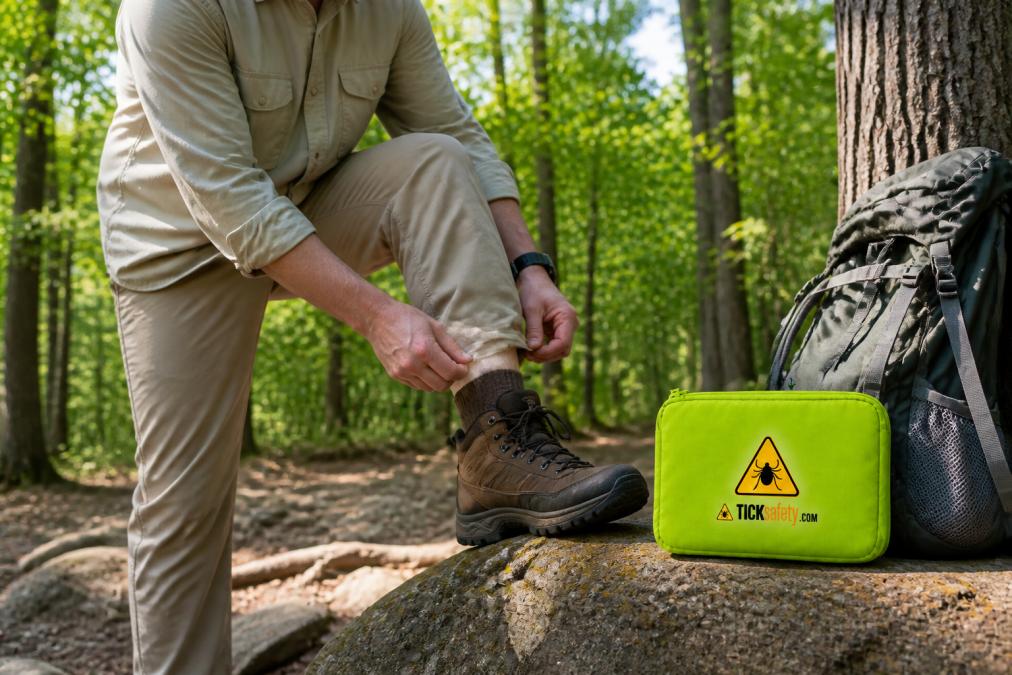
Light-colored clothing makes ticks visible before they attach to your skin. Long sleeves and long pants create a protective layer, and tucking pants into socks or boots prevents ticks from crawling up your legs. Wear closed-toe shoes and consider a hat when moving through tall vegetation.
Smooth, tightly woven materials are harder for ticks to grip than loose, fuzzy fabrics. After returning from outdoor activities, place clothing directly into a dryer on high heat for at least 10 minutes to kill any ticks. Keep a dedicated set of outdoor clothing separate from your everyday wardrobe to prevent ticks from being transported into your home.
Best Tick Repellent for Humans: EPA-Approved Options
DEET at concentrations of 20-30% provides strong protection against ticks by creating a repellent barrier (the EPA). Picaridin delivers comparable protection with a lighter feel, and IR3535 offers another alternative. These ingredients work best when applied to exposed skin and clothing edges.
For clothing, permethrin is highly effective, it kills ticks on contact and bonds to fabric fibers. A single application can last through multiple washings. RestockYourKit.com carries Permethrin Clothing Tick + Insect Repellent (12 oz Spray) at $18.99, which treats multiple pieces of gear. Apply repellents according to label directions and reapply skin repellents after swimming or heavy sweating. Combining permethrin-treated clothing with a DEET or Picaridin-based skin repellent creates layered protection that significantly reduces tick attachment risk.

Performing Thorough Tick Checks After Outdoor Activity
A tick check within two hours of returning indoors is one of the most effective prevention strategies (the CDC). Check your entire body systematically: behind ears, along the hairline, in armpits, between toes, and in the groin area. Use a hand-held mirror or ask a family member to inspect areas you cannot see. Check your pets and gear too, as ticks can be carried into your home on either.
Make tick checks a non-negotiable habit during tick season. Keep a tick identification card handy, RestockYourKit.com offers Tick Identification Cards at just $0.25 each, perfect for wallet-sized reference.
How to Remove a Tick Safely: Tools and Technique
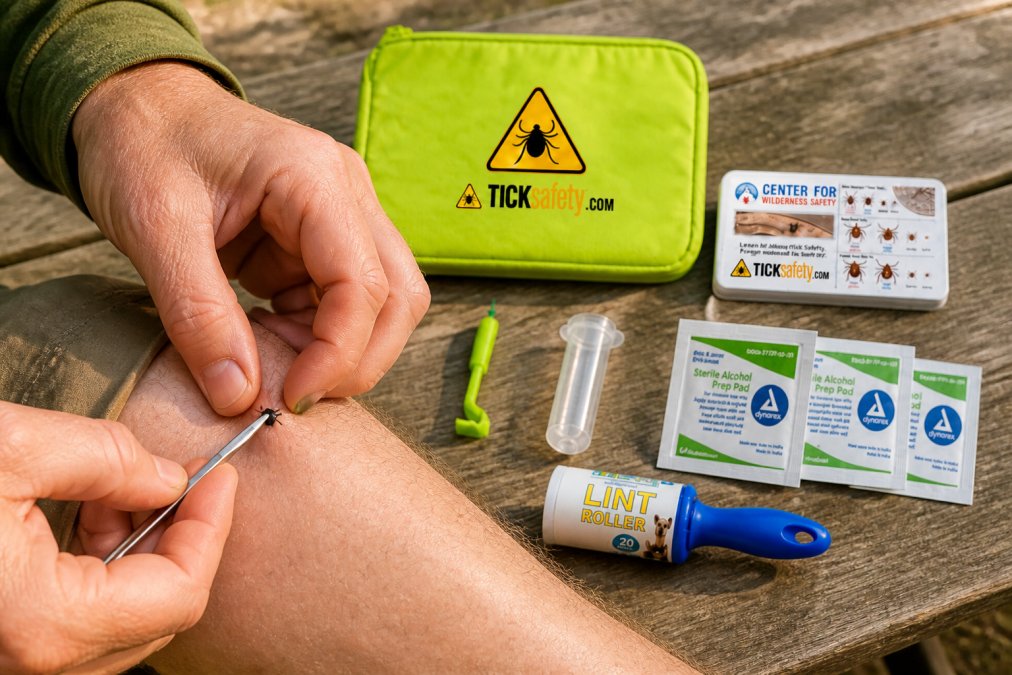
Use fine-tipped tweezers to grasp the tick as close to the skin as possible, then pull straight upward with steady, even pressure. Avoid twisting, jerking, or crushing the tick, as these actions can cause the tick to regurgitate pathogens into the bite wound. Never use petroleum jelly, nail polish, or heat, these methods don't work and may increase pathogen transmission.
After removal, clean the bite area with soap and water or rubbing alcohol. Place the tick in a sealed container with a damp cotton ball; keeping the tick alive allows for later testing if symptoms develop. The Tick Twister - Tick Removal Device from RestockYourKit.com ($5.99 for a 2-pack) provides a specialized tool designed specifically for safe tick extraction.

Tick Bite Symptoms to Watch For and When to Seek Help
Monitor yourself for symptoms of tick-borne illness 3-30 days after a tick bite. Erythema migrans, the characteristic bullseye rash, appears as a red circle that expands outward, though not all Lyme disease rashes have this classic appearance. Other symptoms include fever, chills, fatigue, muscle aches, and headache.
When to seek medical attention: Contact your healthcare provider if you develop any of these symptoms after a tick bite. Bring the tick with you if possible, a doctor can identify the species and assess infection risk. Early antibiotic treatment is highly effective for Lyme disease when started within the first 72 hours of symptom onset.
Post-bite tick testing and submission: Preserving the tick for testing provides valuable information about your actual infection risk. Several options exist:
- University extension services: Many state university cooperative extension programs offer tick identification and testing services at low or no cost.
- Commercial tick testing laboratories: Private labs can test ticks for Lyme disease, Babesiosis, Anaplasmosis, and other pathogens. Costs typically range from $50-$200.
- Veterinary diagnostic labs: If the tick came from a pet, veterinary diagnostic centers can test the tick as part of pet health assessment.
How to preserve a tick for testing: Place the tick in a sealed plastic bag or small container with a damp cotton ball, the moisture keeps the tick alive and preserves pathogen viability. Label the container with the date, location, and which body part it was attached to. Refrigerate (do not freeze) until submission. Most labs accept ticks up to two weeks after removal.
Testing limitations: Tick testing tells you what pathogens the tick carried, not whether you were infected. A tick positive for Lyme disease does not guarantee you contracted the disease, though it elevates your risk profile. Keep a detailed log of when and where you were bitten, which body part, and any symptoms that develop with dates. If you develop symptoms, early medical evaluation and treatment significantly improve outcomes.
Creating Tick-Safe Zones in Your Yard and Home
Remove leaf litter, trim tall grass, and clear brush from areas where your family spends time. Create a 6-10 foot buffer zone between wooded areas and your lawn by removing vegetation and leaf litter. Keep wood piles, compost bins, and other potential tick habitats away from active living spaces.
Reduce deer populations in your area if possible, as deer are the primary hosts for adult blacklegged ticks. Inside your home, maintain a tick-safe environment by vacuuming regularly and washing bedding frequently in hot water. Check pets regularly and use veterinarian-recommended tick prevention products year-round.
Preparing Your First Aid Kit for Tick Season
A well-stocked first aid kit ensures you have the right tools when you need them. The Tick Safety Kit from RestockYourKit.com ($19.99) provides everything you need in one compact package, including tick removal tools, identification aids, and storage containers for safe tick preservation.

Your general first aid kit should include tweezers, rubbing alcohol, antibiotic ointment, and pain relievers. Keep these items in a waterproof container that's easily accessible during outdoor activities. Store a kit in your car, backpack, and home. Include antihistamine and hydrocortisone cream to address itching and inflammation from tick bites. Update your kit annually, checking expiration dates on medications and replacing used supplies.
Preparing for tick season doesn't mean avoiding the outdoors, it means approaching outdoor activities with knowledge and the right tools. RestockYourKit.com makes it easy to assemble everything you need with curated kits and individual supplies available at near-wholesale prices. With proper clothing, EPA-approved repellents, reliable removal tools, and a commitment to post-activity tick checks, you can significantly reduce your infection risk. Shop our tick safety collection and spend your outdoor season confident that you're protected.
Frequently Asked Questions
What's the peak month for tick activity?
Tick activity peaks in spring and early summer, typically from April through June, though nymph-stage ticks become active as early as March. A second surge occurs in fall. Blacklegged ticks, the primary vector for Lyme disease, remain active whenever temperatures stay above freezing. Preparing before April ensures you have repellents, protective gear, and removal tools ready before peak host-seeking behavior begins.
What are the best tick repellent options for outdoor activities?
EPA-approved repellents containing DEET (20-30%), Picaridin (20%), or IR3535 offer reliable protection. Apply skin repellent to exposed areas and use permethrin on clothing, tents, and gear, permethrin kills ticks on contact rather than just repelling them. Permethrin won't stain fabrics and remains effective through multiple washes. RestockYourKit.com offers Permethrin Clothing Tick + Insect Repellent (12 oz spray) for $18.99, ideal for treating outdoor gear before heading into tick-infested areas.
How do I know if a tick bite could be serious?
Watch for a bullseye rash (erythema migrans), fever, joint pain, or fatigue within 3-30 days of a tick bite. These symptoms suggest possible Lyme disease or another tick-borne illness. Not all tick bites cause symptoms, and not all rashes are bullseye-shaped. If symptoms develop, seek medical evaluation and consider requesting post-bite testing. Early treatment with antibiotics is highly effective, so prompt medical attention matters more than waiting for obvious signs.
What should I include in a tick-season first aid kit?
Your kit needs fine-tipped tweezers or a tick removal device, rubbing alcohol, resealable bags for tick storage, tick identification cards, and a reference guide for safe removal. RestockYourKit.com's Tick Safety Kit ($19.99) includes essential removal tools and alcohol in a compact 2-pack format. Adding tick identification cards ($0.25 each) helps you recognize nymph and adult ticks. Store your kit in your car, backpack, and home so you're prepared wherever ticks might attach.