Cart
0
The worst time to shop for cold and flu supplies is the night someone spikes a fever.
That is when shelves get picked over, dosing cups disappear, and you realize the thermometer battery died sometime last winter. A good flu season preparedness kit fixes that problem before it starts. It gives your household, crew, or trip group a clean, organized way to manage the first 24 to 72 hours of illness without scrambling.
For most people, this is not about building a giant medical cache. It is about having the right basics in the right quantities, packaged so they are easy to find, easy to restock, and ready for real use. If you already think this way about trauma gear, backcountry first aid, or group expedition supplies, flu prep should follow the same standard.
What belongs in a flu season preparedness kit
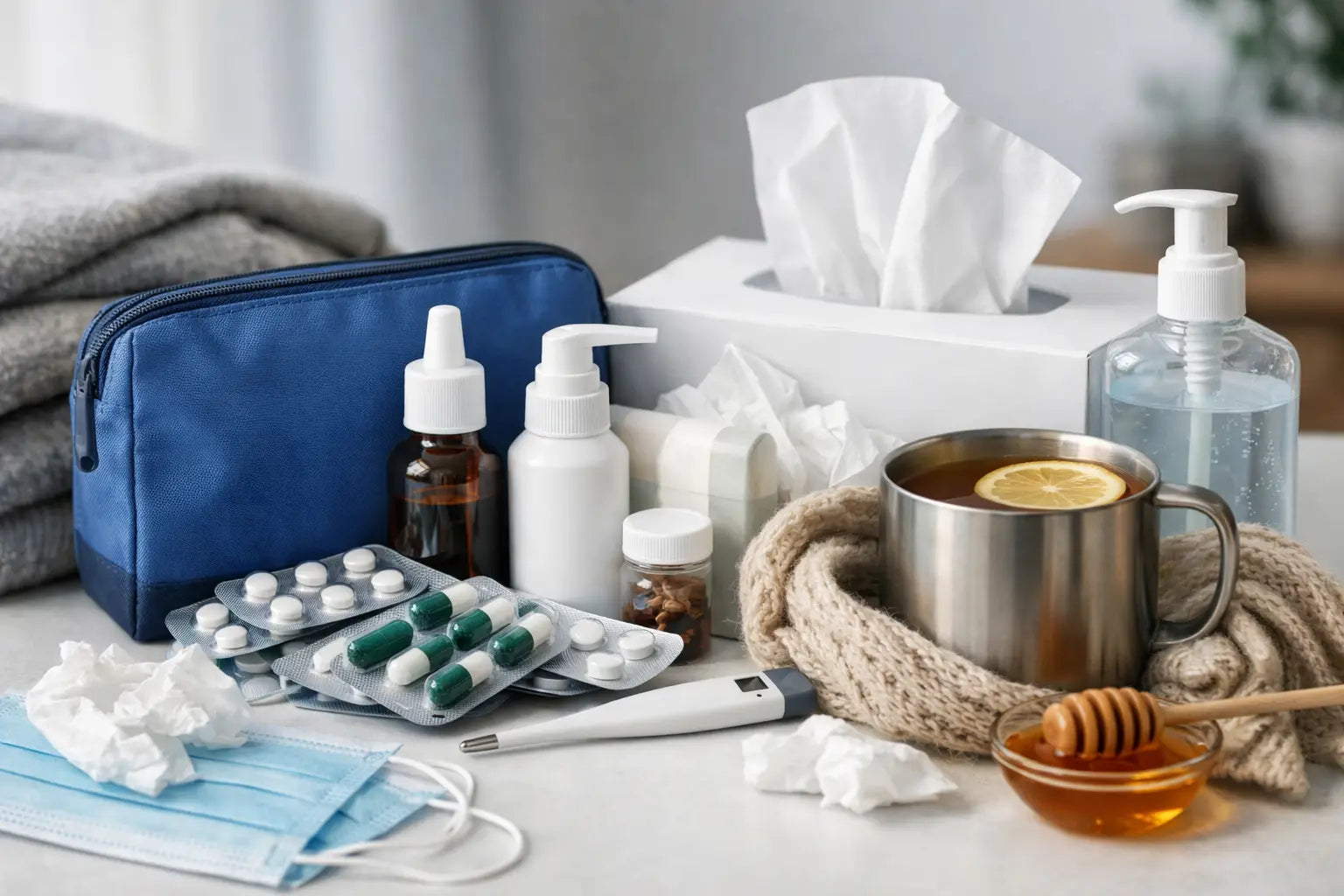
A useful flu season preparedness kit starts with symptom management, infection control, and monitoring. If one of those three is missing, the kit looks complete but performs poorly when you need it.
For symptom management, most households want age-appropriate fever and pain reducers, cough support, throat relief, tissues, and hydration support. The exact mix depends on who you are caring for. A family with small children needs different dosing formats than a Scout crew or an adult-only household. If someone in the home cannot take certain over-the-counter medications because of age, pregnancy, blood pressure concerns, or another medical condition, build around that reality now rather than improvising later.
Monitoring matters more than many people realize. A dependable thermometer is not optional. If you rely on one digital thermometer, keep spare batteries with it or store a second thermometer as backup. Fever is one of the most common reasons people second-guess whether they are dealing with a mild bug, influenza, or something that needs a call to a medical professional. Good temperature data helps you make better decisions.
Infection control is the part people tend to underpack. A few masks tossed in a drawer do not count as a system. If one person in the house gets sick, you need enough masks, gloves if appropriate for care tasks, hand sanitizer, soap, disinfecting wipes, and trash bags to manage several days of illness. This is even more relevant for households with older adults, immunocompromised family members, or anyone trying to limit spread through a team, bunkhouse, or vehicle.
The supplies that earn their space
If you want a kit that actually gets used, choose items with a clear purpose and practical packaging. Single-use medication packets, small bottles, and clearly labeled refill quantities are often easier to manage than oversized retail boxes. They take up less room, make expiration checks faster, and let you restock what you used instead of replacing an entire assortment.
Most flu kits should include a digital thermometer, spare batteries if needed, oral rehydration support or electrolyte drink mix, tissues, cough drops or lozenges, and basic PPE. For medications, many people carry acetaminophen, ibuprofen, and an age-appropriate cough or congestion option. That said, one-size-fits-all medicine planning is where mistakes happen. Read labels closely, especially if you are caring for kids or combining cold products that may duplicate active ingredients.
A small notebook or printed medication log can be surprisingly useful. When one person is tired and another is helping, it is easy to lose track of what was given and when. In group settings, that kind of recordkeeping is not just convenient. It helps prevent dosing errors.
You should also think beyond medications. Flu can mean fatigue, chills, body aches, and a lot of laundry and cleanup. A few disposable bags, paper towels, surface cleaner, and extra fluids often solve more real-world problems than another box of specialty remedies.
How much should you stock?
This is where context matters.
A solo adult working from home might only need enough supplies for one illness cycle. A family with school-age kids will burn through tissues, fever reducers, and hydration products much faster. A trip leader, church group coordinator, or Scout leader planning for shared travel should think in group numbers, not household numbers.
A simple rule works well: stock for at least one sick person for 72 hours, then adjust upward based on your actual exposure risk and group size. If you live in a household where illness tends to move from one person to the next, plan for two or more people overlapping. If you manage a crew, camp, or expedition, scale quantities so that one illness does not empty the whole kit.
There is a trade-off here. Overstocking can create waste if products expire before use. Understocking forces emergency runs when stores are crowded and inventory is thin. The middle ground is a modular refill approach. Keep a base kit together, then top off medications, PPE, and hydration items as the season progresses.
Kit layout matters when someone feels awful
A flu kit should be organized for tired hands and low attention spans.
Use a dedicated pouch, bin, or soft bag with internal sections if possible. Put thermometers and monitoring tools in one area, medications in another, and PPE and cleaning supplies in a third. Labeling helps, especially in homes where multiple adults may be helping or where older kids can assist responsibly.
If your broader first aid setup already uses modules, treat flu supplies the same way. A respiratory illness module is easier to inspect, easier to grab, and easier to refill than a random mix spread across bathroom drawers, kitchen cabinets, and glove compartments. This is the same logic that works in wilderness medicine and remote care - gear performs better when it is organized around use, not storage convenience.
It is also smart to keep a small isolation sub-kit. That can include masks, tissues, sanitizer, a thermometer, and a few immediate-use comfort items. If someone needs to rest in a separate room, you do not want to carry your full household supply back and forth every few hours.
Building for households, crews, and remote travel
Home use is the obvious starting point, but many people need a flu season preparedness kit that works beyond the house.
If you lead youth groups, backcountry trips, hunt camps, or boating outings, illness planning should sit next to trauma planning. Influenza-like illness in a remote or semi-remote setting changes logistics fast. A participant with fever, cough, weakness, or vomiting may need isolation, closer monitoring, hydration support, and a plan for transport. Your kit should support those early steps while you evaluate whether evacuation or medical follow-up is needed.
For group travel, that usually means carrying more PPE, more fluids, and more documentation tools than a household kit requires. It may also mean pre-sorting medications into clearly managed quantities and keeping instructions accessible to the responsible adult team. The goal is not to practice medicine beyond your training. The goal is to stay organized when a routine illness starts affecting group function and decision-making.
Restocking is the whole game
Most flu kits fail because they are built once and forgotten.
The thermometer goes missing. The last packet of fever reducer gets used in February. Half the masks are borrowed for a workshop project or stuffed in a daypack. By the time flu season ramps up again, the bag looks full but is missing the items that matter.
A better system is to check the kit at the start of fall, after any significant illness, and again mid-season if your household or group has already used supplies. Pay attention to expiration dates, but also pay attention to practical gaps. If everyone hates the flavor of a certain rehydration mix, replace it with one they will actually drink. If child dosing is part of your plan, verify that the measuring device is still in the kit.
This is where refill-friendly purchasing makes a real difference. Instead of rebuying an oversized store assortment, you can replace only the medications, PPE, or packaged supplies you actually used. That saves money, reduces clutter, and keeps your setup closer to field-ready.
If you already maintain trauma gear, OTC meds, or expedition supplies through a refill cycle, add flu items to the same schedule. Time to restock your first aid kit should also mean time to check your respiratory illness supplies.
When to upgrade beyond the basics
Some households need a more serious setup.
If you care for older adults, people with asthma, people with chronic illness, or anyone at higher risk of complications, your flu prep should be more deliberate. That may include a larger stock of PPE, more precise medication planning, and a clearer written plan for when to call a clinic or seek urgent care. If you live in a rural area or regularly travel in winter conditions, delays in getting care make readiness more important, not less.
The same applies to organizations and trip leaders. If one sick person can affect the safety or logistics of twelve others, your threshold for preparation should be higher. Good kit design buys time, reduces confusion, and helps the person in charge think clearly.
Flu season is here - prepare now. Build the kit before anyone needs it, set a refill rhythm you can maintain, and keep it packed the way you would want any field-ready medical gear packed: simple, specific, and ready to work.