Cart
0
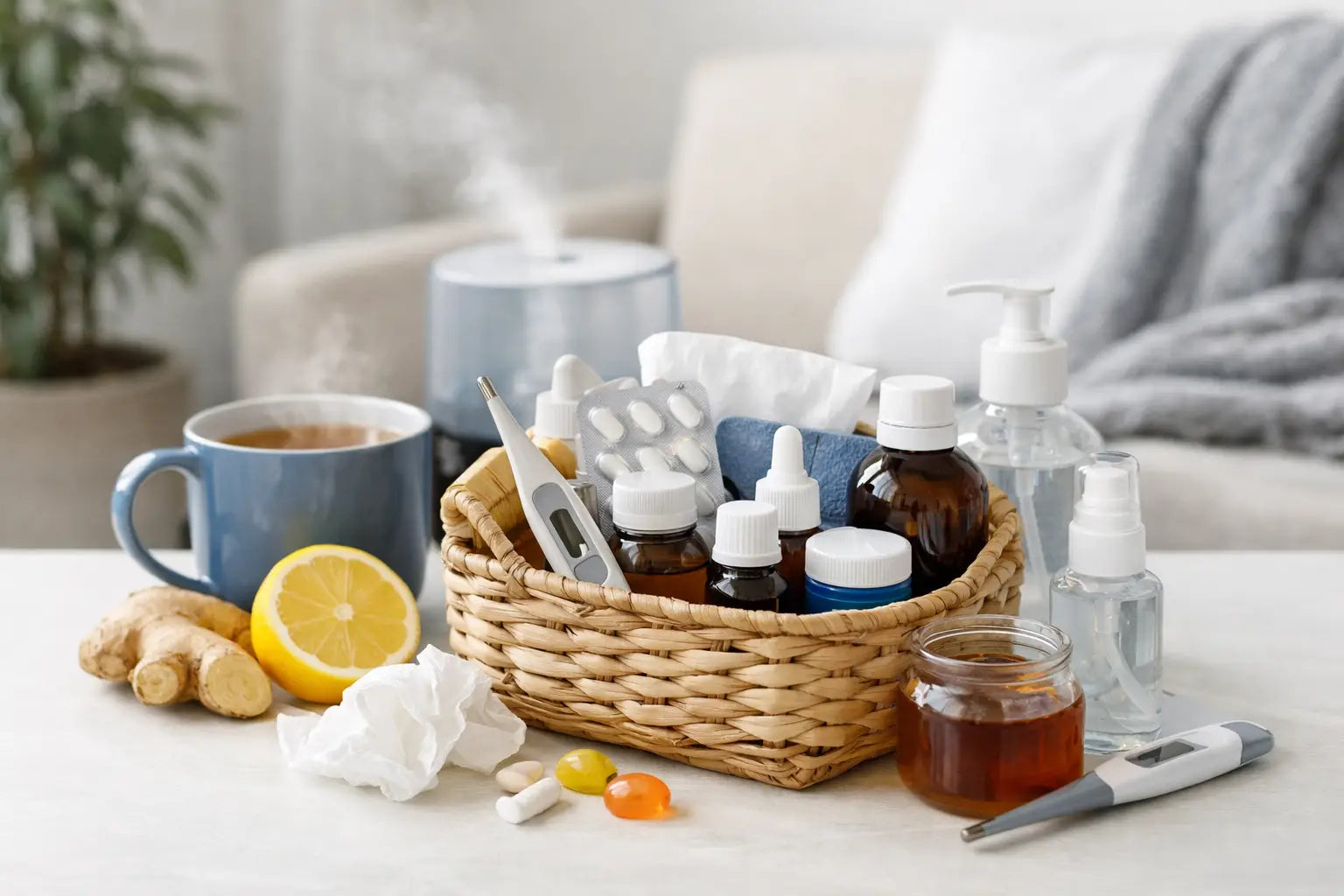
When the first person in the house spikes a fever at 10:30 p.m., you find out fast whether your supplies are organized or just scattered across drawers. Flu season is not the time to discover your thermometer battery is dead, the fever reducer expired last spring, or the last box of tissues disappeared during allergy season.
A good home setup is less about panic buying and more about building a small, reliable system. If you already think this way for trail kits, scout outings, boats, or crew gear, the same logic applies at home. You want the right tools, in useful quantities, packed where people can find them under stress.
A practical flu season home preparedness kit checklist
The best flu season home preparedness kit checklist starts with one question: what are you trying to do? For most households, the answer is straightforward. You need to monitor symptoms, manage fever and aches, reduce spread inside the home, stay hydrated, and avoid a midnight run for basics.
That means your kit should not be a random pile of cold-and-flu products. It should be built in layers. Start with monitoring tools, add symptom support, then infection-control supplies, and finally the household items that make home care easier for 24 to 72 hours at a time.
Monitoring tools you should have ready
A reliable thermometer is non-negotiable. If you use a digital oral thermometer, keep spare batteries with it. If your household prefers a forehead or ear thermometer, test it before flu season ramps up. Any thermometer is only helpful if it works when someone is tired, feverish, and trying to check a child at 2 a.m.
A pulse oximeter can also be useful, especially for households that want better visibility into respiratory symptoms. It is not a replacement for medical evaluation, and readings can be affected by cold hands, movement, or poor fit, but it can add one more data point when someone is short of breath or unusually fatigued.
You should also keep a simple notepad or symptom log in the kit. Write down temperature, medication timing, fluid intake, and any changes in symptoms. In real-world care, this matters more than people expect. Once multiple doses and multiple family members are involved, memory gets sloppy.
OTC medications and symptom support
This is where most people either overbuy or underprepare. A useful kit includes fever and pain reducers that fit your household, plus a few symptom-specific items that you actually know how to use.
Keep age-appropriate acetaminophen and ibuprofen on hand if those are medications your household normally uses and can take safely. Adults may prefer tablets or capsules. Kids may need liquid versions and a dosing syringe or cup. The trade-off is shelf life and storage space versus convenience. If you only keep one version and it does not match the person who gets sick, it is not really preparedness.
Beyond fever reducers, think through the symptoms that tend to cause the most problems in your house. That may mean cough drops, throat lozenges, saline nasal spray, oral rehydration packets, or an expectorant if your physician has recommended that type of support for you in the past. Some households also keep anti-nausea and anti-diarrheal options because flu-like illness does not always stay neatly in one lane.
The key is to avoid stocking overlapping products without reading labels. Many multi-symptom cold and flu medicines contain the same active ingredients as your standalone fever reducers. Double dosing happens easily when people are tired and trying to feel better fast.
PPE and hygiene supplies for a home flu season kit checklist
If one person gets sick, your next job is limiting spread. This part of the flu season home preparedness kit checklist is often what separates a manageable household illness from a week of everybody taking turns.
A solid supply of masks is worth having, especially if you are caring for someone at close range or trying to protect a higher-risk family member. Disposable gloves can be useful for handling vomit, heavily soiled trash, or cleaning up body fluids, but they are not magic. Good handwashing still does most of the heavy lifting.
Keep hand sanitizer where it will actually get used, not just where it looks tidy. Add disinfecting wipes or another household disinfectant for high-touch surfaces like light switches, remotes, sink handles, and doorknobs. Tissues should be in quantity, not just one decorative box. If your household burns through paper products when someone is sick, plan for that reality.
A lined trash bag or small dedicated waste container for the sick room also helps. It sounds simple, but reducing the number of contaminated tissues and wrappers moving around the house makes cleanup easier.
Hydration and recovery supplies
Most people focus on medication first, but hydration support is what keeps home care on track. Water is obvious. What is less obvious is whether your sick person will actually drink enough plain water when they have a sore throat, nausea, or no appetite.
Keep oral rehydration solutions, electrolyte packets, broth, tea, or other easy fluids that your household will use. If you have kids, stock flavors they tolerate. If you care for older adults, consider items that are easy to open and easy to sip.
Soft foods matter too. Crackers, applesauce, soup, rice, and similar simple foods can keep a rough day from getting worse. This does not all need to live inside a first aid bag, but it should be part of your seasonal readiness plan. Preparedness at home is broader than bandages and pills.
Comfort items that become surprisingly important
When someone feels miserable, small comfort items do real work. A few extras of blankets, a heating pad used safely, lip balm, humidifier supplies, and easy-access tissues can make a sick room easier to manage.
If you use a humidifier, clean it before flu season starts and check that you have what it needs. A dirty humidifier is not helping anybody. Also think about chargers, night lights, and entertainment for kids. Practical home care is not glamorous, but it keeps the household calmer.
How much should you stock?
It depends on your household size and how isolated you may be during bad weather or a busy outbreak. A single adult in town can often manage with a smaller kit and one solid restock plan. A family with children, a grandparent at home, or a household that prefers to avoid stores when illness hits should stock deeper.
A good rule is to aim for enough core supplies to manage at least several days of illness without needing an urgent pharmacy trip. That does not mean hoarding. It means carrying useful quantities of the items you know you burn through first: fever reducers, tissues, fluids, masks, and cleaning supplies.
If you are already used to modular medical kits, apply the same thinking here. Build a home flu module and keep refills grouped together. One pouch for medications, one for PPE and hygiene, one for monitoring tools, and one shelf area for fluids and comfort supplies works better than scattering items across bathrooms and kitchen cabinets.
Don’t forget expiration dates and fit
A home kit is only as good as its maintenance. Check expiration dates before flu season, not during it. Replace opened or nearly empty products. Confirm children’s medications still match current ages and weights. Make sure measuring devices are still with the liquids they belong to.
Fit matters too. Masks should fit the people using them. Thermometers should be the type your household can use correctly. If a product is complicated, unpleasant, or always misplaced, it probably will not help much during an actual illness.
When home care is not enough
Preparedness also means knowing your line. Trouble breathing, dehydration that is not improving, confusion, chest pain, bluish lips, or symptoms that are rapidly worsening are not problems to solve with a better supply bin. The same goes for infants, medically fragile family members, and anyone at higher risk who seems to be declining.
Your kit should support early care and better decision-making. It should not create false confidence.
If you want to make this easy on yourself, set up your supplies before peak season, then schedule one quick restock check every month or so until spring. That is the whole game: practical quantities, clear organization, and fewer surprises when the house gets hit. At RestockYourKit.com, that same restock-first mindset is what keeps first aid systems useful long after the day you first packed them.
Flu season is here - prepare now, while everyone still feels fine.