

FirstAidSuppliesOnline Alternative for Families: Top Picks
Table of Contents
- Why Families Look Beyond FirstAidSuppliesOnline
- What Professional Grade First Aid Supplies Actually Mean for Home Use
- Comparing Family-Ready Kits: Prices and Contents
- Building Your Own: Custom First Aid Kit Builders and DIY Options
- Your First Aid Kit Refill Checklist and Maintenance Schedule
- Customizing Kits for Children, Allergies, and Travel
- Conclusion
- Frequently Asked Questions
Last Updated: September 13, 2026
Why Families Look Beyond FirstAidSuppliesOnline
Families searching for a firstaidsuppliesonline alternative for families want a kit that fits their household: right quantities, current expiration dates, and supplies that hold up when a kid takes a spill.
Mass-market kits are built for warehouses and offices, then sold to families as-is. At RestockYourKit.com, we build kits to order, so every kit ships with the longest possible medication expiration dates, and you can refill individual items instead of replacing the whole bag.
Below, we break down what professional grade first aid supplies mean for a home kit, compare four family-ready options, and give you a refill checklist.

What Professional Grade First Aid Supplies Actually Mean for Home Use
Professional grade first aid supplies are medical items manufactured and packaged to workplace and clinical standards, not the lighter consumer packaging sold in retail aisles. Sterile dressings stay sterile until opened, instruments are stainless steel, and medications are individually sealed and dated.
For a family, the payoff shows up in three places:
- Sterile packaging you can trust. Individually sealed gauze pads, antiseptic wipes, and antibiotic ointment packets keep their integrity in a hot car or a damp bathroom cabinet.
- Real instruments, not toys. Trauma shears and stainless steel splinter forceps do the job on the first try.
- Dated medications. Every medication packet carries an expiration date, which makes your refill cycle obvious instead of guesswork.
A common mistake is buying the biggest bag on the shelf and assuming it's the most complete. Volume isn't coverage: a kit with 200 bandages and no compression bandage, burn treatment, or diphenhydramine is less useful than a smaller, better-balanced one.
ANSI Class A vs Class B: What Families Should Know
ANSI Class A and Class B describe two workplace first aid kit configurations under the ANSI/ISEA Z308.1 standard (osha.gov). Class A covers common workplace injuries; Class B covers a broader range plus higher-risk supplies.

Families don't need a certified workplace kit, but the standard is a useful filter: it tells you which categories a serious kit should cover, wound care, burn treatment, eye and skin irrigation, and basic instruments. If a retail kit skips whole categories, it isn't built for real emergencies.
Comparing Family-Ready Kits: Prices and Contents
Every kit below is built to order, and can be refilled item by item rather than replaced wholesale.
| Kit | Price | Group Size | Best For |
|---|---|---|---|
| Basic Car + Home First Aid Kit | $19.99 | 6-8 people | Whole-household coverage |
| Individual First Aid Kit | $41.99 | 1-2 people | Scouts and outdoor groups |
| Everyday First Aid Kit | $11.99 | 1 person | Cars and pockets |
| Micro-Kit DELUXE | $15.99 | 1-2 people | Everyday carry |
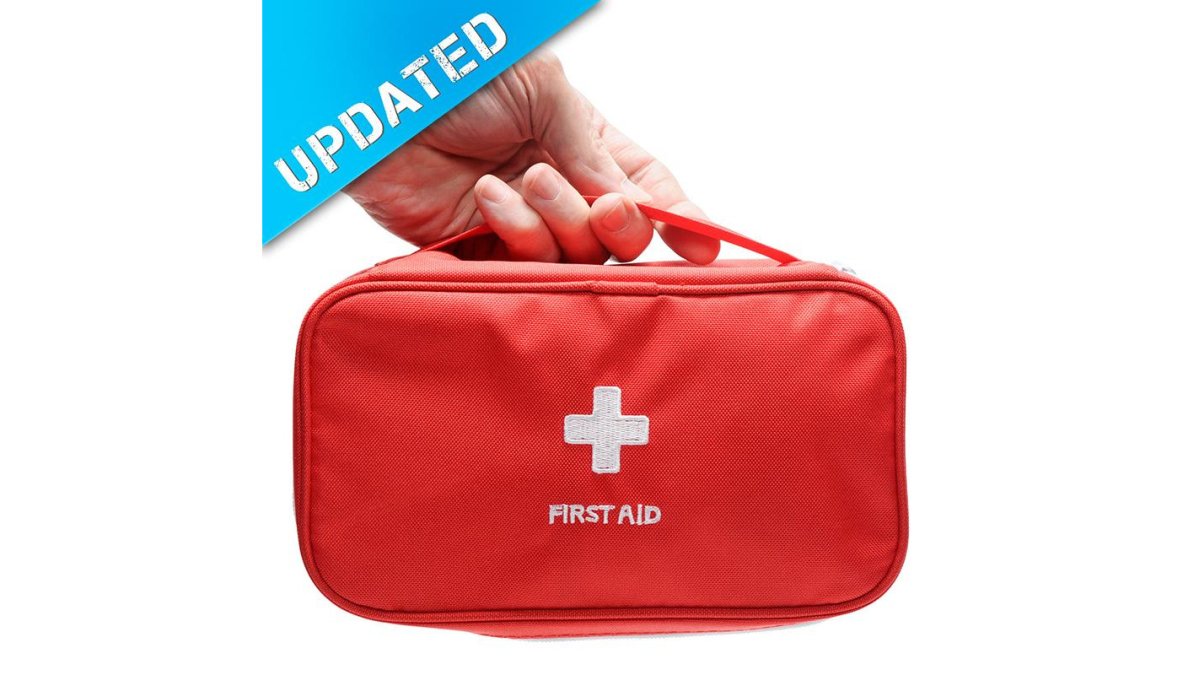
Basic Car + Home First Aid Kit: Best for Households
The Basic Car + Home First Aid Kit is the best single purchase for most families. At $19.99 it covers 6-8 people and handles everyday home emergencies: cuts, scrapes, burns, allergic reactions, and minor orthopedic injuries.

The contents list is why it wins: nitrile exam gloves, a CPR mask, trauma shears, a biohazard bag, a first aid wallet card, four sterile 4x4 gauze pads, four 2x2 pads, two gauze rolls, an elastic bandage, and a disposable cold compress. Medications and wipes include aspirin, diphenhydramine, ibuprofen, triple-antibiotic ointment, hydrocortisone, alcohol wipes, antiseptic wipes, and sting swabs.
The honest limitation: it's built for common injuries, not wilderness trauma. If your family spends weekends far from a trailhead, add a tourniquet and a tick removal tool separately.
Individual First Aid Kit: Best for Scouts and Outdoor Groups
For Scout troops and family hiking groups, the Individual First Aid Kit at $41.99 is the strongest match. Sized for 1-2 people over a 3-5 day outing, it weighs 15 oz and disappears into a pack.
What separates it from a generic trail kit is the burn and blister section: BurnJel packets, 2nd Skin blister pads, moleskin sheets, and tincture of benzoin ampules. You also get a keychain CPR mask, trauma shears, splinter forceps, disposable thermometers, and diphenhydramine.
Where it falls short: at 1-2 person capacity, a troop of eight needs two or three of these, not one.
Everyday and Micro-Kit DELUXE: Best for Cars and Pockets
Two small kits round out the family setup, and most households buy both.
The Everyday First Aid Kit costs $11.99, weighs 2.5 oz, and comes in a bright red mini bag that's easy to spot in a glovebox or backpack. It carries six regular adhesive bandages, fingertip bandages, two sterile 2x2 gauze pads, nitrile gloves, antibiotic ointment, aspirin, a sting relief swab, and alcohol and antiseptic wipes.
The Micro-Kit DELUXE at $15.99 is the beefier option for 1-2 people. It adds butterfly bandages, hydrocortisone packets, burn gel, diaper pins, a tick ID card, splinter forceps, and trauma shears in an 8 oz soft pouch.
Building Your Own: Custom First Aid Kit Builders and DIY Options
Custom first aid kit builders let you assemble a kit around your household's specific risks instead of a fixed contents list. A home with a toddler, a dog, and a Scout has three different supply profiles.
A sensible DIY build starts with the ANSI categories, then weights them by your household:
- Wound care foundation: sterile gauze pads in 2x2 and 4x4, gauze rolls, adhesive bandages in regular, knuckle, fingertip, and large sizes, silk or surgical tape, and antiseptic wipes.
- Instruments: trauma shears, stainless steel splinter forceps, and a keychain CPR mask.
- Medications: aspirin, ibuprofen, diphenhydramine, loperamide, and hydrocortisone.
- Burn and blister: burn gel packets, moleskin, and blister pads.
- Orthopedic: an elastic compression bandage, a triangular bandage, and a disposable cold compress.
- Protection: nitrile gloves and biohazard bags.
A Concrete Build Roadmap for a Family of Four
Category lists are everywhere; what most guides skip is the quantity math, where DIY kits either work or fall apart. Here is a starting build for a household of four, sized for one year of typical use with a restock at six months.
| Category | Starting Quantity | Why This Number |
|---|---|---|
| Adhesive bandages (assorted) | 40 | Kids burn through these fastest; assorted sizes cover knuckles and fingertips |
| Sterile 2x2 gauze pads | 12 | Small wounds and eye coverage |
| Sterile 4x4 gauze pads | 12 | Larger cuts and as a secondary dressing |
| Gauze rolls | 4 | Wrapping and securing dressings |
| Elastic compression bandage | 2 | Sprains and to hold a cold compress in place |
| Nitrile exam gloves | 10 pairs | One pair per incident, plus spares |
| Antiseptic wipes | 20 | One per wound cleaning |
| Antibiotic ointment packets | 10 | Post-cleaning coverage |
| Diphenhydramine | 10 doses | Allergic reactions, insect bites, sleep aid |
| Ibuprofen | 10 doses | Pain and fever |
| Aspirin | 4 doses | Chest pain protocol for adults |
| Burn gel packets | 6 | Kitchen and grill burns |
| Trauma shears | 1 | Cutting clothing, tape, and bandages |
| Splinter forceps | 1 | Splinters and ticks |
| CPR mask | 1 | One per kit, not per person |
| Biohazard bag | 2 | Safe disposal after use |
That build lands in a mid-size soft pouch and covers the categories a real emergency touches.
DIY vs Pre-Built: The Honest Trade-Off
DIY wins on fit: you buy exactly what your household uses, in the quantities you go through, and avoid paying for items you'll never open. It also lets you swap in a medication your pediatrician prefers or a larger glove size.
Pre-built wins on time and expiration discipline. Assembling from scratch means sourcing 15 or more items, each with its own expiration date. A single-supplier kit ships with coordinated dates, so your refill cycle stays simple instead of becoming a spreadsheet.
Most families land on a hybrid: buy a pre-built base kit covering the ANSI categories, then add household-specific items. That gets you single-source expiration discipline plus the fit of a custom build.
Buying individual quantities is the part most guides skip. You rarely need a 50-count box of gauze pads for one household, which is why RestockYourKit.com sells individual quantities at near-wholesale prices, so you can restock one low item without buying a whole new kit.
Your First Aid Kit Refill Checklist and Maintenance Schedule
A first aid kit refill checklist turns a vague intention into a routine: check monthly for missing items, and twice a year for expiration dates.
Here's a maintenance schedule you can copy:
| Frequency | Task |
|---|---|
| Monthly | Count bandages, gauze, and gloves; replace anything used |
| Every 6 months | Check expiration dates on all medications and wipes |
| Annually | Inspect instruments, shears, and the bag or pouch for damage |
| After any use | Restock the kit the same week, not "sometime" |
| Seasonally | Rotate car kits indoors before extreme heat or cold |
The Maintenance Calendar Most Guides Skip
A frequency table tells you what to do; a calendar tells you when, the difference between a kit that stays current and one that quietly expires in a closet. Most families need just four anchor dates a year, tied to events they already remember.
| Anchor Date | Why It Works | Tasks |
|---|---|---|
| First weekend of January | Post-holiday reset, everyone is home | Full inventory, expiration sweep, replace anything used over the holidays |
| Start of daylight saving time | Clocks change, so the reminder is built in | Rotate car kits indoors, check heat-sensitive medications |
| First weekend of summer | Before travel and camp season | Restock travel kits, verify auto-injector dates, add tick and sting supplies |
| Start of school year | Backpacks and dorm kits go out the door | Build or refresh a small kit for each student, check pediatric doses |
Four dates tied to events you already track cover the whole year. The monthly count is a quick visual check; the quarterly anchors are where the real work happens.
Expiration Dates: What Actually Expires and What Doesn't
Not everything in a first aid kit expires on the same clock, and treating it all the same wastes money or misses a real expiration.
- Medications and ointments carry the shortest dates and matter most. Aspirin, ibuprofen, diphenhydramine, antibiotic ointment, and hydrocortisone all degrade, and heat accelerates it. Check these every six months.
- Antiseptic and alcohol wipes dry out over time. A dried-out wipe is not a substitute for a wet one, so replace them on the same six-month cycle.
- Sterile gauze and dressings stay usable past their printed date if the packaging is intact and dry. Once a package is torn, crushed, or water-stained, sterility is gone and it should be replaced regardless of date.
- Instruments do not expire. Trauma shears, forceps, and CPR masks are replaced only when damaged, cracked, or lost.
- Auto-injectors run on their own cycle, usually shorter than the rest of the kit. Track them separately and set a reminder 60 days before the printed date so a replacement can be ordered in time.
Two Maintenance Details Families Miss
- Heat destroys medications. A car kit in a hot trunk all summer degrades faster than one stored in a closet. Rotate car kits inside during peak summer heat.
- Write the date on the bag. When you restock, mark the refill date on the outside of the kit. The next check takes seconds instead of a full inventory count.
American Red Cross first aid kit recommendations
Customizing Kits for Children, Allergies, and Travel
Customizing a kit for your household is where a generic purchase falls apart. Three adjustments cover most families.
Children. Kid-friendly means smaller bandages, sting swabs, and treatment for the injuries kids actually get: scraped knees, splinters, and insect bites. Add a tick ID card near wooded areas, and children's acetaminophen or ibuprofen if your pediatrician has approved a dose.
Allergies. The customization most families neglect. If anyone has a known allergy, the kit needs diphenhydramine tablets and, where prescribed, an epinephrine auto-injector stored within seconds' reach. Note the auto-injector's expiration date separately, it usually runs on a different cycle than the rest of the kit.
Travel. For air travel, pack medications and sterile dressings in your carry-on rather than a checked bag, and keep liquid items within the limits set by the TSA rules for medically necessary liquids. For road trips, a compact kit like the Everyday First Aid Kit covers the basics without taking up trunk space.
If your household includes backyard poultry or pets, keep animal-specific supplies in a separate module. Mixing animal medications into a human kit is how people end up reaching for the wrong packet at the wrong moment.
Conclusion
The hard part of switching to a firstaidsuppliesonline alternative for families isn't finding supplies. It's building a kit that matches your household and keeping it current, a kit assembled two years ago and never checked is one you can't rely on.
That's the problem RestockYourKit.com was built to solve. Every kit is custom built to order so medications ship with the longest expiration dates possible, individual quantities let you restock one item instead of replacing the whole kit, and free shipping applies on orders of $79 or more. For outdoor leaders, the Individual First Aid Kit and the Ultralight Hiker First Aid Kit bring the same approach to the trail.
Get started with RestockYourKit.com and build a family kit you can actually trust when it matters.
Frequently Asked Questions
What should be in a family first aid kit according to safety standards?
A family kit should include sterile dressings, gauze pads, adhesive bandages, antiseptic wipes, antibiotic ointment, a compression bandage, latex-free gloves, trauma shears, and medications like aspirin and diphenhydramine. ANSI Class A kits cover common home injuries, while Class B kits add supplies for more severe bleeding and burns. Families with children should also include kid-friendly bandages and sting relief swabs.
Are professional-grade first aid supplies better for home use than retail kits?
Professional-grade supplies often use medical-grade materials and include items like trauma shears, CPR masks, and sterile gauze rolls that retail kits may lack. For families, this means better readiness when something happens. The trade-off is a slightly higher upfront cost, but the contents last longer and cover more scenarios.
How often should you restock your family first aid kit?
Check your kit every six months for expired medications, depleted supplies, and damaged packaging. A first aid kit refill checklist helps you track what needs replacing. Medications like ibuprofen and antibiotic ointment typically expire within one to two years. Set a reminder for spring and fall to coincide with seasonal preparedness. Replace any item that has been opened or shows discoloration.
How do I customize a first aid kit for children and adults?
Start with a basic kit that covers wound care, burns, and allergic reactions. Add child-specific items like smaller bandages, children's acetaminophen, and sting relief swabs. For adults, include aspirin for heart emergencies and larger gauze pads. If anyone has allergies, add extra diphenhydramine and an epinephrine auto-injector if prescribed. Label each pouch so anyone can find what they need quickly.
What is the difference between ANSI Class A and Class B kits?
ANSI Class A kits are designed for common workplace injuries like minor cuts, scrapes, and burns. Class B kits include additional supplies for severe bleeding, head injuries, and larger wounds. For families, a Class A kit handles most household accidents, but a Class B kit is worth considering if you have active kids, outdoor hobbies, or want extra coverage for emergencies.