

Essential Supplies for Home Readiness: Complete Guide
Table of Contents
- What Essential Supplies for Home Readiness Actually Means
- Water Storage and Purification: Your First Priority
- Non-Perishable Food and Nutrition Supplies
- First Aid Kit Essentials and Medical Supplies
- How to Maintain Medical Supplies for Emergencies
- Emergency Preparedness Kit Checklist: Beyond the Basics
- Building Your Home Readiness Kit on a Budget
- Psychological Readiness and Family Planning
Last Updated: August 25, 2026
What Essential Supplies for Home Readiness Actually Means
Essential supplies for home readiness aren't just a checklist you assemble once and forget. They're a dynamic system that evolves with your family's needs and the actual threats you're most likely to face. A first aid kit with expired medications creates false confidence. Water stored incorrectly degrades. Supplies scattered across multiple locations become impossible to find when you need them.

At RestockYourKit.com, we provide high-quality gear and hard-to-find medications at near-wholesale prices, ensuring you are prepared for everything from cold and flu season to specialized animal care. The difference between a kit that sits untouched and one that genuinely protects your household comes down to three things: knowing what you actually need, understanding how to maintain it, and building it in layers so you're not overwhelmed.
Water Storage and Purification: Your First Priority
Water is non-negotiable. A person can survive weeks without food but only days without water (peer-reviewed research). Yet most households don't store enough, and those that do often store it incorrectly.
The math is straightforward: plan for one gallon per person per day for drinking and basic hygiene. A family of four needs a minimum four-gallon daily supply. For a three-day emergency preparedness kit, that's 12 gallons. For two weeks, it's 56 gallons.
How Much Water You Need
Start conservatively. A three-day supply is the baseline most emergency preparedness guidance recommends. Three days for a family of four means 12 gallons minimum. If you have elderly family members, young children, or anyone with medical conditions requiring extra hydration, add 50% more.
Store water in food-grade containers only. Regular plastic buckets or repurposed containers can leach chemicals or harbor bacteria. Label them with the storage date so you know when to rotate.
Storage Containers and Rotation
Sealed, food-grade containers keep water safe for six months to a year if stored in a cool, dark place (the CDC). Heat and light degrade water quality over time. A basement corner, garage shelf, or closet works far better than a sunny garage.
Rotation isn't complicated. Every six months, use your stored water for watering plants or cleaning, then refill. Mark the rotation date on each container so you don't forget.
Water purification tablets or a basic filtration system add a critical backup layer. Tablets are cheap and compact. A portable water filter handles larger quantities and tastes better, though it takes up more space. For a home readiness kit, having both is smart: tablets for emergencies, a filter for longer-term scenarios.
Non-Perishable Food and Nutrition Supplies
Food is less critical than water in the first 72 hours, but it matters for morale, energy, and anyone with special dietary needs. Choose foods your family actually eats. If nobody in your house eats canned beans, don't buy them for your emergency kit. Peanut butter, granola bars, canned fruit, crackers, nuts, and dried fruit are reliable choices.
Include foods that require no cooking or minimal water: peanut butter, protein bars, trail mix, canned vegetables, and shelf-stable milk or juice boxes. A manual can opener is essential; electric can openers become useless without power.
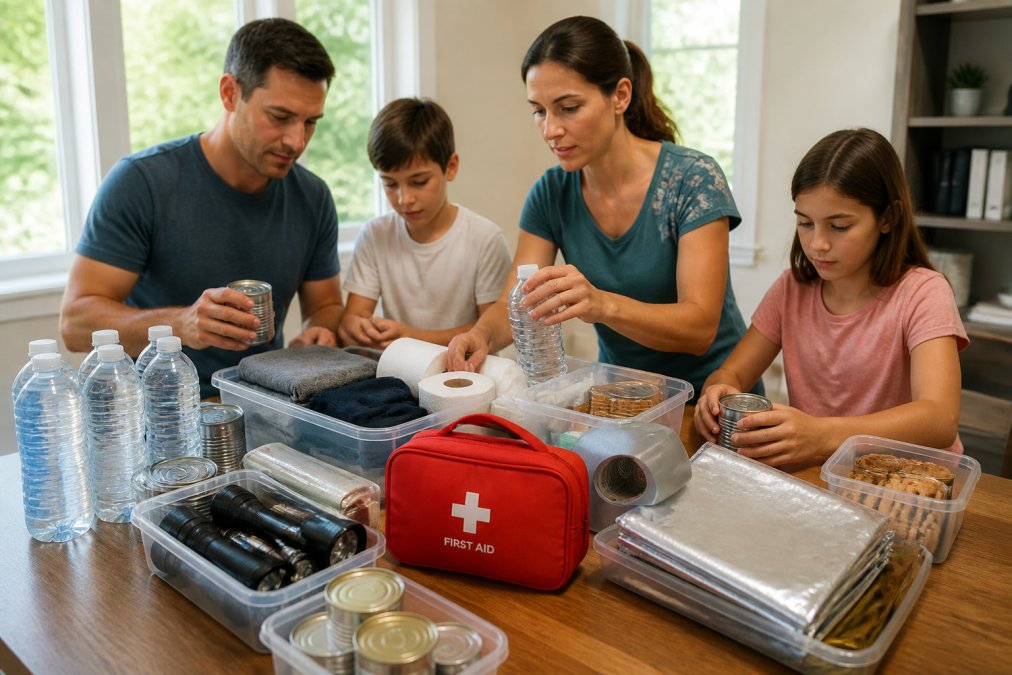
For a three-day supply, aim for 2,000 calories per person per day. That's roughly six to eight food items per person. For a family of four, that's 24-32 items minimum. Organize them in a clear plastic bin so you can see what you have and rotate older items into regular use.
First Aid Kit Essentials and Medical Supplies
A first aid kit is only useful if it contains what you'll actually use. Most pre-assembled kits include items that sit unused while missing critical supplies for your specific situation.

Core First Aid Items
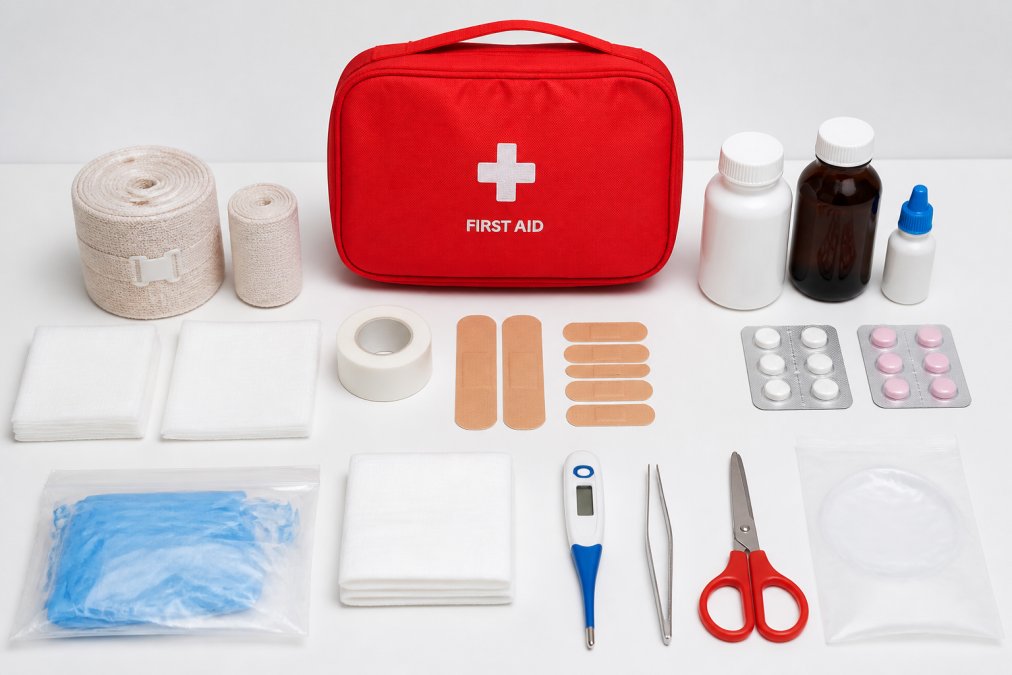
Start with the basics: adhesive bandages in multiple sizes, gauze pads, medical tape, elastic bandages for sprains, antibiotic ointment, pain relievers, antihistamines, and antacids. Add items specific to your household: if someone has asthma, include their rescue inhaler and a backup. If you have young children, include child-appropriate pain relievers in the correct dosages.
Tweezers for splinters, a small flashlight, scissors, and a thermometer are often overlooked but invaluable. A CPR face shield costs almost nothing and could save a life. The American Red Cross guidelines for first aid kits recommend including a printed first aid instruction card. Many people freeze when they need to help someone; a simple guide keeps you focused.
Prescription Medications and Personal Medical Needs
Keep a 30-day supply of all prescription medications in their original bottles with labels intact. The label shows dosage and warnings, and the original bottle proves the medication is yours if you need to refill it. Store medications in a cool, dry place, not the bathroom medicine cabinet, which gets humid.
For over-the-counter medications you take regularly, keep a backup supply. If someone in your household uses allergy medication, asthma inhalers, or blood pressure medication, having a two-week backup prevents gaps if pharmacies close or supply chains slow.
Document any medication allergies, dosages, and the prescribing doctor's name on a card you keep with your medications. If you're unconscious or unable to communicate, this information becomes critical.
How to Maintain Medical Supplies for Emergencies
A kit that sits untouched for five years becomes a liability, not an asset. Medications expire, batteries drain, and you forget what you have. Maintenance is where most people fail.
Expiration Tracking and Rotation Schedules
Set a calendar reminder for every six months. On that date, pull out your first aid kit and check expiration dates. Medications, ointments, and antihistamines all have printed expiration dates; respect them. Expired medications lose potency and can become unsafe.
Create a simple spreadsheet or use a notes app to track what's in your kit and when it expires. This takes 10 minutes and saves you from discovering expired supplies when you need them. As items approach expiration, use them in your regular life and replace them with fresh stock.
Batteries in flashlights and radios drain over time, even if unused. Check them annually. Rotate old batteries into devices you use regularly and replace kit batteries with fresh ones.
Storage Conditions and Organization
Moisture, heat, and light degrade supplies. Store your kit in a cool, dry, dark location: a basement shelf, closet, or cabinet away from direct sunlight. Avoid bathrooms and attics.
Use clear plastic containers so you can see contents at a glance. Label everything with dates and contents. If you have multiple kits, one for home, one for your car, one for your office, keep them organized the same way.
Emergency Preparedness Kit Checklist: Beyond the Basics
Beyond water, food, and medical supplies, an emergency preparedness kit includes tools and items that become critical when normal systems fail.
Communication and Lighting Tools
When the power goes out, a battery-powered radio or hand-crank radio becomes your connection to emergency information. A NOAA weather radio specifically alerts you to severe weather and emergency broadcasts.
Flashlights need reliable batteries. A hand-crank flashlight eliminates battery dependency but requires physical effort. A whistle is compact, requires no batteries, and can signal for help over long distances.
For communication, a battery-powered or hand-crank radio keeps you informed. A cell phone charger that doesn't require electricity ensures you can stay in contact if the grid fails.
Shelter, Warmth, and Sanitation
Thermal blankets are lightweight, compact, and retain body heat effectively. A family of four needs at least four blankets. Plastic sheeting and duct tape create emergency shelter barriers if windows break.
Sanitation supplies become critical if water systems fail. Wet wipes, hand sanitizer, and garbage bags for waste management prevent disease. A bucket with a tight-fitting lid and trash bags creates an emergency toilet if plumbing fails.
Heavy-duty gloves protect hands during cleanup. Sturdy footwear prevents injuries from debris. A dust mask or N95 mask filters airborne particles if air quality is compromised.
Important Documents and Digital Preparedness
Keep copies of important documents in a waterproof, fireproof container: insurance policies, property deeds, medical records, medication lists, and identification. Originals should be in a safe deposit box; copies in your emergency kit.
Store digital copies of important documents on a password-protected cloud service or external hard drive. Create an emergency contact list with phone numbers, email addresses, and out-of-area contacts.
An evacuation plan is essential if you live in an area prone to wildfires, floods, or hurricanes. Know your routes, have a meeting place, and practice the plan with your family annually.
Building Your Home Readiness Kit on a Budget
You don't need to spend hundreds of dollars to build a functional home readiness system. Strategic purchases spread over a few months cost far less than buying everything at once.
Start with water and basic food. These are non-negotiable and the most expensive items. Next, add a basic first aid kit. RestockYourKit.com's Basic Car + Home First Aid Kit at $19.99 covers essentials for most household injuries.

Then add communication and lighting: a battery-powered radio, flashlight, and batteries. These items cost under $30 combined and provide disproportionate value.
Finally, add specialized items based on your specific risks: thermal blankets if you live somewhere cold, sanitation supplies if you have young children, prescription medication backups if anyone in your household takes daily medications.
This tiered approach means you're prepared with minimal spending in month one, and you can add layers over time without financial strain.
Psychological Readiness and Family Planning
The physical supplies matter, but psychological readiness determines whether you actually use them effectively. Panic, confusion, and uncertainty cause more problems than the actual emergency.
Hold a family meeting and discuss what emergencies are most likely in your area. Assign roles: who calls for help, who gathers the kids, who grabs the emergency kit, who secures pets. When everyone knows their role, confusion drops dramatically when stress is highest.
Practice accessing your emergency supplies at least once a year. Know where your kits are, what they contain, and how to use the items in them. Children benefit from age-appropriate preparedness education. Knowing what to do in an emergency reduces their fear and gives them agency.
Psychological readiness also means accepting that emergencies happen and that preparation is responsible, not paranoid. The same supplies that handle a three-day power outage apply to a natural disaster, a water main break, or a temporary supply chain disruption.
Building a home readiness system is one of the most practical investments you can make. It costs far less than most people think, takes minimal time to maintain, and provides genuine peace of mind. The key is starting simple, maintaining consistently, and adjusting as your household's needs change.
RestockYourKit.com makes this easier by offering pre-curated kits that eliminate guesswork and individual items for customization. Whether you're building from scratch or upgrading an existing kit, you'll find supplies organized, current, and ready to use. Get started with RestockYourKit.com and build the readiness system your family actually needs.
| Supply Category | Minimum Amount | Rotation Schedule | Storage Location |
|---|---|---|---|
| Water | 1 gallon per person per day | Every 6 months | Cool, dark, basement or closet |
| Non-perishable food | 2,000 calories per person per day | Every 6 months | Cool, dry location in clear container |
| First aid supplies | 1 complete kit per household | Every 6 months | Cool, dry, easily accessible |
| Medications | 30-day supply for prescriptions | Check expiration dates monthly | Cool, dry, away from bathroom |
| Batteries | Backup set for all devices | Annually | Cool, dry location |
| Flashlights | 1 per person plus backup | Annually | Accessible location |
| Communication tools | 1 radio per household | Annually | Accessible location |
Frequently Asked Questions
What are the essential items to include in an emergency preparedness kit checklist?
Start with water (one gallon per person per day for three days), non-perishable food, a first aid kit, battery-powered or hand-crank radio, flashlight, extra batteries, and prescription medications. Add a multi-tool, duct tape, plastic sheeting, manual can opener, whistle, dust mask, and copies of important documents. The specific items depend on your family size and medical needs, but these form the foundation of any home readiness kit.
How do I maintain medical supplies in my home emergency kit?
Check expiration dates every six months and replace items as needed. Store supplies in a cool, dry place away from direct sunlight to extend shelf life. Create a simple spreadsheet or calendar reminder for rotation dates. Keep medications in their original containers with labels intact. Consider using a ready-made first aid kit like the Basic Car + Home First Aid Kit ($19.99) that comes organized, then supplement with personal medications and items specific to your family's health needs.
How much water should I store for emergency preparedness?
Store at least one gallon per person per day. For a family of four, that means 12 gallons for a three-day supply. Include extra for cooking and sanitation. Store water in food-grade containers, rotate stock every six months, and keep supplies in a cool location. Follow emergency water storage guidelines by using containers approved for drinking water and avoiding direct sunlight to prevent algae growth and bacterial contamination.
How often should I rotate or restock my emergency supplies?
Check your supplies twice yearly, ideally in spring and fall. Replace expired medications, first aid items, and food. Rotate water every six months. Review your emergency preparedness kit checklist annually to ensure it matches your family's current needs. If you use items from your kit, restock immediately. Setting phone reminders makes this task easier and ensures your home readiness supplies remain effective when needed.
What's the difference between a 72-hour kit and long-term home readiness?
A 72-hour kit (three-day supply) covers immediate needs after a disaster when help may not arrive immediately. Home readiness extends beyond this with larger quantities of water, food, and supplies lasting weeks or months, plus backup power systems, sanitation supplies, and important documents. Both are important: the 72-hour kit is your emergency response, while long-term supplies provide security during extended disruptions. Start with a 72-hour kit, then expand based on your risk profile.
Why should I buy pre-built first aid kits instead of assembling my own?
Pre-built kits like the Individual First Aid Kit ($41.99) save time and ensure you don't miss critical items. They're organized logically, use medical-grade supplies, and come from providers who understand emergency scenarios. Custom kits let you add personal medications and specialized items for your family's needs. The convenience and expert curation justify the cost, especially compared to buying scattered items and forgetting important supplies.
Should I keep separate emergency kits for my car and home?
Yes. A car kit handles roadside emergencies and unexpected delays; a home kit addresses shelter-in-place or evacuation scenarios. A Basic Car + Home First Aid Kit ($19.99) works for both locations. However, your home kit should be larger with more water, food, and supplies since you may shelter there for days. Keep the car kit accessible and rotate it seasonally, especially before winter when emergencies are more likely.