Cart
0
Table of Contents
- Why a Custom Hiking First Aid Kit Matters
- Core First Aid Kit Essentials and Recommended Supplies
- Hiking Blister Treatment Supplies and Prevention
- First Aid Kit Medications for Hiking
- Hiking First Aid Kit Checklist by Trip Length and Remoteness
- When to Seek Emergency Help and First-Aid Skills You Need
- Kit Maintenance: Inspection, Expiration Dates, and Replenishment
- Frequently Asked Questions
Last Updated: October 17, 2026
Why a Custom Hiking First Aid Kit Matters
Building your own hiking first aid kit isn't just about throwing bandages into a backpack. It's about preparing for the specific injuries and illnesses you're most likely to encounter on the trail, then packing only what you'll actually use.

The difference between a generic kit and a thoughtful one becomes obvious fast. Generic kits often include items you'll never need while missing essentials for common hiking injuries like blisters, sprains, and minor cuts.
Your kit should match your trip. A day hike on a familiar trail calls for a stripped-down version. A multi-day backcountry expedition demands something more comprehensive.
Key Takeaway
The best hiking first aid kit is the one you'll actually carry and know how to use. Weight matters on the trail, but so does preparedness. Balance them by customizing your kit to your specific trip profile.
Core First Aid Kit Essentials and Recommended Supplies
Every hiking first aid kit needs a foundation of essential tools and supplies. These items handle the most common trail injuries: cuts, scrapes, blisters, sprains, and minor bleeding.

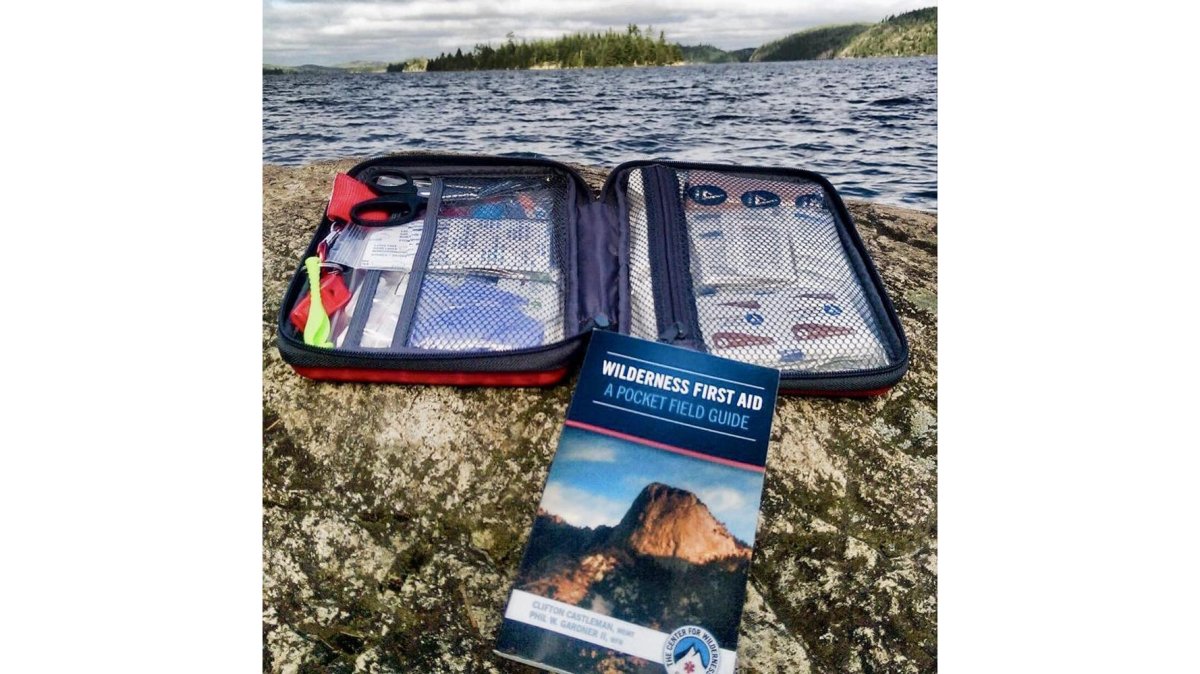
Start with tools. You need trauma shears to cut tape and gauze, splinter forceps to remove thorns and splinters, and a tick removal device if you're hiking in tick-prone areas.
Wound management supplies are non-negotiable. Pack adhesive bandages in multiple sizes, sterile gauze pads, gauze rolls, and non-stick dressings. These handle everything from minor scrapes to moderate bleeding.
For orthopedic injuries, an elastic "ace" bandage stabilizes sprains and strains. It's lightweight, reusable, and works for ankles, knees, and wrists.
Tools and Instruments Every Hiker Needs
Trauma shears cut through clothing, tape, and gauze without snagging. A 5.5-inch pair works for most situations. Splinter forceps with fine points remove embedded thorns, splinters, and ticks. Stainless steel resists rust and lasts for years.
The Tick Twister is worth its weight. This specialized tool removes ticks cleanly by grasping them as close to the head as possible, preventing the mouth parts from staying embedded. Ticks carry serious diseases, so proper removal matters (the CDC).
Include a small pair of medical shears for cutting bandages and tape. Tweezers work for splinters. A thermometer helps assess fever. These tools weigh almost nothing but solve real problems on the trail.
Wound Care: Bandages, Dressings, and Gauze
Adhesive bandages come in regular, knuckle, and fingertip sizes. Regular bandages handle most minor cuts. Knuckle and fingertip styles stick better on awkward areas. Pack more than you think you'll need; they're lightweight and versatile.
Sterile gauze pads in 2x2 and 4x4 sizes absorb blood and protect wounds. Use them for moderate bleeding or larger scrapes. Non-stick dressings prevent gauze from sticking to the wound, which reduces pain and scarring when you remove them. Gauze rolls wrap around fingers, hands, or feet for secure coverage.
For serious bleeding, trauma dressings in 5x9 or larger sizes provide heavy-duty coverage.
Hiking Blister Treatment Supplies and Prevention
Blisters cause more hikers to turn back than any other injury. They're preventable with the right supplies and early action. Your kit needs both prevention and treatment options.
Blister Prevention on the Trail
Moleskin is the classic blister prevention tool. This soft, self-adhesive flannel padding protects high-friction areas before blisters form. The Ultralight Comprehensive Blister Kit includes two moleskin sheets, which covers most day hikes and short backpacking trips.
Tincture of benzoin is a liquid adhesive that helps moleskin and blister pads stick longer, even when your feet sweat. A single ampule weighs almost nothing and lasts for multiple applications. Apply it to skin before placing moleskin or blister pads.
Wool socks reduce friction compared to cotton or synthetic blends. Bring an extra pair and change socks if your feet get damp.
Treating Blisters When They Happen
Blister pads use hydrocolloid technology to absorb fluid and promote healing. These second-skin pads stay waterproof and can last 5-7 days per application. They're more effective than traditional bandages for active hikers because they conform to your foot and handle moisture. Pack several for multi-day trips.
If a blister ruptures, clean it with antiseptic wipes, apply triple-antibiotic ointment, and cover it with a blister pad or gauze. The goal is preventing infection while keeping the hiker moving. Some experienced backcountry travelers drain unruptured blisters using a sterile hypodermic needle, then apply a blister pad.
Pro Tip
On day hikes, prevention is everything. Moleskin costs $1.89 and prevents hours of pain. On longer trips, blister pads are worth their weight in gold. The Ultralight Comprehensive Blister Kit at $11.99 includes both, plus extra supplies for treating multiple blisters.
First Aid Kit Medications for Hiking
Over-the-counter medications handle most common trail ailments. Include pain relief, allergy medication, stomach remedies, and anti-inflammatory drugs. Individual packaging keeps them organized and ensures freshness.
Over-the-Counter Pain Relief and Illness Management
Ibuprofen tablets reduce pain and inflammation. Pack at least 4-6 tablets for a multi-day trip. Aspirin serves double duty as a pain reliever.
Diphenhydramine tablets (Benadryl) treat allergic reactions and help with sleep on uncomfortable nights. Pack 2-4 tablets. Antacid tablets handle stomach upset from unfamiliar food or altitude.
Electrolyte tablets replace salts lost through sweat and help prevent dehydration. They taste better than plain water and provide minerals your body needs on long exertion days.
The OTC Medication Module from RestockYourKit.com includes all these medications at $9.99, saving you money compared to buying individually and ensuring proper quantities for a hiking trip.
Antiseptic Wipes and Wound Irrigation
Alcohol wipes clean wounds and prevent infection. Pack at least 4 for any trip longer than a day hike. Povidone-iodine wipes offer stronger antimicrobial action for contaminated wounds. Antiseptic wipes provide a gentler alternative for sensitive skin.
Wound irrigation matters for dirty cuts or abrasions. Clean water from your water bottle works in a pinch.
Ultralight Hiker First Aid Kit →
Hiking First Aid Kit Checklist by Trip Length and Remoteness
Your kit composition changes based on trip profile. A day hike on a marked trail near civilization calls for minimal supplies. A remote backcountry expedition demands more comprehensive gear and redundancy.
Day Hike Kit (1-5 Miles, Familiar Trails)
For short hikes on well-maintained trails, keep it simple. You're never more than an hour from help, so your kit serves as insurance for minor injuries, not emergency preparedness.
Pack 4-6 adhesive bandages, 2 gauze pads, 1 blister pad, moleskin, 1 elastic wrap, ibuprofen tablets, and antihistamine tablets. Include trauma shears, tweezers, and a tick removal device.
The Ultralight Hiker First Aid Kit at $29.99 covers this profile perfectly. Designed by an Appalachian Trail thru-hiker, it weighs just 9 ounces and fits in a pocket.
For even shorter outings on familiar trails, the Hiker Module at $8.99 supplements an existing kit with blister supplies, electrolyte tablets, and allergy medication.

Backpacking First Aid Kit Essentials (Multi-Day, Remote)
Multi-day trips in remote areas demand more supplies and redundancy. You might be 8-12 hours from help, so your kit needs to handle more serious injuries and illnesses.
Include 8-10 adhesive bandages in multiple sizes, 4-6 gauze pads, 2 blister pads, moleskin, elastic wrap, triangular bandage, and trauma dressing. Add more medication: 6-8 ibuprofen tablets, 2-3 antihistamine tablets, antacid, aspirin, electrolyte tablets, and hydrocortisone cream. Include all tools: trauma shears, splinter forceps, tweezers, tick removal device, and thermometer.
The Weekender Backcountry First Aid Kit at $64.99 includes all these supplies. It's designed for 3-5 days and 1-5 people, weighing just 1 pound 7 ounces.
Group and Expedition Kits
Groups need more supplies than individuals because multiple people share injury risk. A hiking group of 6-8 people should carry 1.5-2 times the supplies of a solo hiker for the same trip length.
Scale up quantities: 12-16 adhesive bandages, 8-10 gauze pads, 4 blister pads, 2 moleskin sheets, 2 elastic wraps, and 2 triangular bandages. Double medications except for personal prescriptions. Include extra trauma dressings for serious bleeding. Add a CPR mask for each leader.
Consider modular kits. Start with a core kit like the Weekender Backcountry, then add the Hiker Module and OTC Medication Module for supplemental coverage. This approach lets you customize quantities without overpacking.
When to Seek Emergency Help and First-Aid Skills You Need
Your first aid kit extends your capacity to handle injuries, but it doesn't replace professional help. Knowing when to evacuate or call for rescue is as important as knowing how to treat a blister.
Seek emergency help immediately for severe bleeding that doesn't stop after 10 minutes of direct pressure, suspected broken bones, chest pain, difficulty breathing, severe allergic reactions, or signs of heat exhaustion like confusion and rapid heartbeat.
Learn basic wilderness first aid before heading into remote areas.
Know your limitations. A sprained ankle might be manageable on a day hike near the trailhead. The same injury 6 miles into a remote canyon demands different judgment.
Kit Maintenance: Inspection, Expiration Dates, and Replenishment
A first aid kit loses value if supplies expire or get damaged. Check your kit twice yearly: before summer hiking season and before winter activities.
Don't take chances on the trail; replace expired medications. Gauze and bandages don't expire but can degrade if exposed to moisture.
Keep your kit in a waterproof container or resealable bag. Individual waterproof poly bags protect medications and wipes.
Track what you use. If you apply blister pads on every trip, pack more. If you've never used aspirin, you might skip it.
RestockYourKit.com ships custom-built kits with individual waterproof packaging and the longest possible expiration dates. Custom build-to-order means your medications are fresh when they arrive.
Frequently Asked Questions
What should be in a hiking first aid kit?
A hiking first aid kit should contain wound care supplies (adhesive bandages, gauze pads, antiseptic wipes), blister treatment (moleskin, blister pads, tincture of benzoin), pain relief medications (ibuprofen, aspirin), tools (trauma shears, tweezers, tick twister), and elastic bandages for sprains. For day hikes, the Ultralight Hiker First Aid Kit at $29.99 covers all essentials in just 9 oz. For longer trips, add the Hiker Module ($8.99) for extra blister supplies and electrolyte tablets to address dehydration.
What medications should I carry in a hiking first aid kit?
Essential hiking first aid kit medications include ibuprofen for pain and inflammation, aspirin, diphenhydramine (Benadryl) for allergic reactions, antacids for stomach upset, electrolyte tablets for dehydration, and hydrocortisone cream for itching. The OTC Medication Module for Personal use ($9.99) includes these plus acetaminophen, loperamide for diarrhea, and motion sickness tablets. Always check expiration dates before each trip and consult a doctor about any personal prescription medications you should carry.
How do I build a lightweight backpacking first aid kit for a multi-day hike?
Start with the Ultralight Hiker First Aid Kit ($29.99, 9 oz) as your foundation, then add the Ultralight Comprehensive Blister Kit ($11.99, 1.8 oz) for extended foot care on longer trails. For a 3-5 day trip, the Weekender Backcountry First Aid Kit ($64.99, 1 lb 7 oz) is purpose-built and includes a wilderness first aid field guide, space blanket, and rescue whistle. Prioritize lightweight items: individual medication packets, moleskin sheets, blister pads, and gauze pads. Remove duplicate items if combining kits.
How often should I check and replace hiking first aid supplies?
Inspect your hiking first aid kit every 3-6 months, or before each season. Check expiration dates on all medications and wipes; replace any that have expired. Count consumables like bandages, gauze, and blister pads after each hike and restock before the next trip. RestockYourKit.com's custom-built kits ship with the longest medication expiration dates available, ensuring your supplies stay fresh longer.
What's the difference between a day hike first aid kit and a backpacking kit?
A day hike kit (like the Ultralight Hiker First Aid Kit, $29.99) focuses on common minor injuries: small cuts, blisters, and sprains, with basic pain relief. A backpacking first aid kit for multi-day trips adds extra supplies for extended wilderness: more blister pads, additional gauze, more medications, a space blanket, and a wilderness first aid guide. The Weekender Backcountry Kit ($64.99) is designed for 3-5 day trips and includes tools for group care. Choose based on trip length, remoteness, and group size to avoid carrying unnecessary weight on short outings.
Building a hiking first aid kit takes time, but it pays dividends on every trail. Start with a core kit that matches your typical trips, then customize based on experience. A well-prepared kit gives you confidence to explore farther and handle minor injuries without cutting trips short. Shop RestockYourKit.com's curated kits and individual supplies to build exactly what you need for your next adventure.