Cart
0
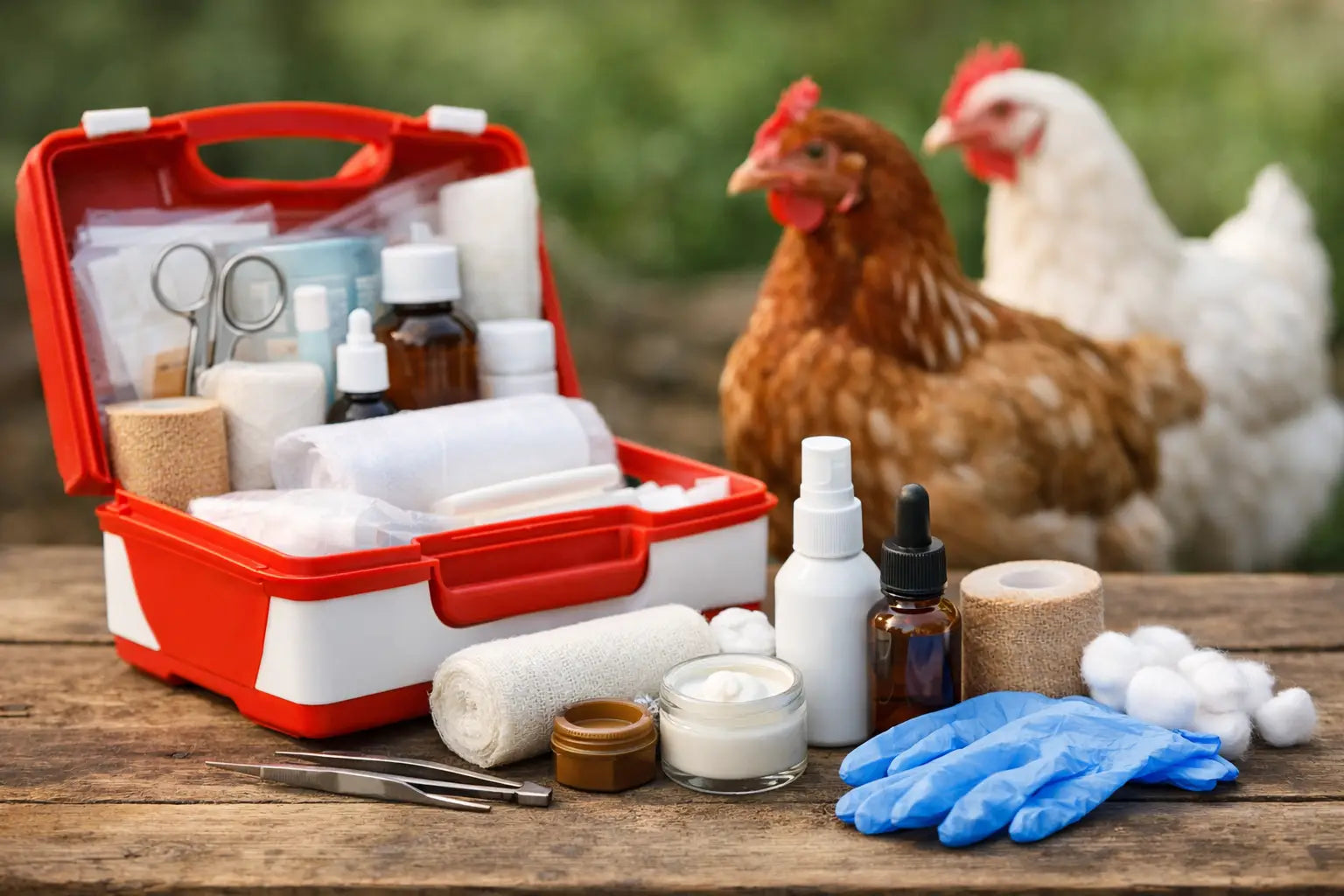
A hen goes off feed on Saturday afternoon, or you find a pullet with a torn comb after roost shuffling at dusk. That is not the time to start guessing what belongs on a chicken first aid kit essentials list. Small flock problems move fast, and the right supplies on hand can buy you time, limit stress, and keep a manageable issue from turning into a flock-wide problem.
For most backyard keepers, the goal is not to build a miniature veterinary clinic. It is to cover the common situations you are actually likely to face - minor wounds, pecking injuries, dehydration, parasites, crop issues, and the need to isolate and monitor a bird safely. A good kit is practical, compact, and easy to restock before the busy season hits.
What a chicken first aid kit should actually do
A chicken kit has one job: help you respond quickly while you assess whether the bird can recover with supportive care or needs a veterinarian. That means your supplies should support three basic actions. You need to clean and protect wounds, stabilize the bird with fluids and warmth, and reduce the chance of the problem spreading to the rest of the flock.
This is where many kits go off track. People buy a pile of random poultry products, then realize they do not have gloves, gauze, or a safe way to separate an injured hen from curious flockmates. A field-tested kit is built around likely use, not shelf appeal.
The core chicken first aid kit essentials list
If you only stock one level of supplies, start here. These are the items most small flock owners reach for first.
Basic wound care and cleaning
Saline or sterile wound wash belongs in every kit. It lets you flush dirt, manure, and bedding from cuts without adding unnecessary irritation. Mild wound cleaning is usually enough for superficial injuries, especially around the comb, wattles, legs, and feet.
Sterile gauze pads and non-stick pads matter because feathers and dried blood can make ordinary dressings a mess. Non-stick pads are especially useful for skin tears or peck wounds where you want coverage without ripping tissue open again during a bandage change.
Cotton-tipped applicators, a small blunt-tip syringe, and tweezers round out this section. These help with careful flushing, spot cleaning, and pulling bedding or debris from a wound or foot pad.
Wraps and bandaging supplies
Self-adherent wrap is one of the most useful things you can keep for poultry care, but it has to be used with restraint. Chickens have lightweight limbs and delicate circulation. A wrap that is too tight can create a new problem fast.
Medical tape, rolled gauze, and a small pair of bandage scissors are worth keeping together in one pouch. For most backyard injuries, you are not building a complicated dressing. You are protecting a wound, cushioning pressure, or covering an area long enough to stop pecking and contamination.
PPE and sanitation gear
Disposable gloves are not optional. They protect you from droppings, blood, and parasites, and they reduce cross-contamination between birds. Keep more than you think you need.
Add paper towels, disinfecting wipes for surfaces, and a trash bag or zip-top disposal bags. If you are treating one bird in a coop environment, sanitation is part of treatment. Messy handling can spread problems through your hands, clothing, and equipment.
Hydration and supportive care
Electrolyte support is one of the best examples of a small item doing a big job. A bird that is stressed, overheated, mildly ill, or recovering from injury often benefits from hydration support. Electrolyte packets or a poultry-safe hydration supplement store well and are easy to use when a bird is weak but still able to drink.
It also helps to keep a small feeding syringe or dropper for careful oral support, though this is an area where restraint matters. If a chicken is not swallowing normally, forcing fluids can do more harm than good.
Isolation and monitoring tools
Every first aid setup should include a way to separate one bird safely. A dog crate, tote-style recovery pen, or small wire kennel works well. The bird needs quiet, clean bedding, easy access to water, and protection from pecking while you observe appetite, droppings, breathing, and mobility.
A digital thermometer for the room, a notebook, and a marker are simple but useful. Write down when symptoms started, what treatment was given, and whether the bird is eating, drinking, and laying. Good notes help you spot changes early and make better decisions if veterinary care becomes necessary.
Add-ons that make sense for most flocks
Once your basics are covered, the next layer depends on the issues common in your area and your flock size. For many owners, parasites and foot injuries belong in this second tier because they show up often enough to justify keeping treatment on hand.
Mite and lice control
External parasites can drain a bird fast, especially in hot weather or in older coops with cracks and hiding spots. If mites or lice are a recurring issue in your region, keep a poultry-appropriate treatment in your kit instead of waiting until you see pale combs, excessive preening, or nighttime irritation.
The trade-off is shelf life and product specificity. You do not want to stock products you do not understand or that are not labeled appropriately for poultry use. Keep the treatment with clear use instructions and note any egg withdrawal guidance if it applies.
Leg and foot care
Scaly leg issues, minor abrasions, and early bumblefoot concerns are common reasons people open the kit. Epsom salt, extra gauze, and a small soaking container can be helpful for foot cleaning and softening debris before inspection.
This is also where a headlamp earns its place. Chickens are not cooperative patients, and foot problems are easier to assess when both hands are free.
Crop and digestive support basics
You do not need a shelf full of digestive products, but it helps to have one or two flock-tested options that you understand. Probiotic or supportive gut products can be useful after stress or during recovery, depending on the situation.
What you should avoid is treating every slow crop, sour-smelling beak, or droopy hen as the same problem. Supportive care is useful. Guesswork with multiple products at once is not.
What not to throw into the kit
A bigger kit is not automatically a better kit. Skip anything you cannot identify, dose properly, or use with confidence. Poultry owners often overbuy antiseptics, mystery powders, and general livestock products that are not a good fit for small birds.
Be careful with pain relievers, antibiotics, and products borrowed from dog, cat, or human medicine. Chickens have different risks, and medication decisions can affect eggs, meat withdrawal periods, and bird safety. If you are going to keep more advanced treatment items, they should be there for a reason and with written instructions from a veterinarian or a trusted poultry reference.
How to organize the kit so it works under pressure
The best chicken first aid kit essentials list fails if your supplies are buried in three bins and a feed room drawer. Group your kit by task. Put wound care together, wraps together, parasite treatments together, and supportive care in its own section.
Clear bags or labeled pouches work better than loose supplies. If one bird is bleeding, you do not want to hunt for gloves under a pile of electrolyte packets. Keep a printed quick-reference sheet in the kit with basic steps such as isolate, assess breathing, check for active bleeding, flush obvious debris, and monitor hydration.
If you buy in restock-friendly quantities, mark expiration dates with a bold marker and check the kit at least every season. Heat, humidity, and coop dust are hard on packaging. Time to restock your first aid kit is before summer stress, before winter weather, and before you bring in new birds.
When first aid ends and veterinary care begins
First aid is for stabilization, not denial. If a bird has trouble breathing, severe lethargy, repeated seizures, a prolapse, major trauma, a dog attack, heavy bleeding that will not stop, or signs of a rapidly spreading illness, move past the kit and call a veterinarian.
It also depends on the bird's role and value to your flock. A keeper with two pet hens may pursue diagnostics earlier than someone managing a larger utility flock. Neither approach is automatically wrong, but the decision should be made clearly, not delayed because the kit makes you feel like you have already solved the problem.
For backyard poultry owners, the smartest setup is a compact kit built around the problems you are most likely to face, stocked in practical quantities, and reviewed often. If you need a reliable place to source poultry treatments and refill items without buying oversized bottles, RestockYourKit.com is built for that kind of readiness. A calm response starts long before the emergency - usually with a labeled box, a few proven supplies, and the discipline to restock before the next hen tests your plan.