

Buying Individual Medical Supplies Online: 2026 Guide
Table of Contents
- Why Buying Individual Medical Supplies Online Beats Store Runs
- How to Build a Custom First Aid Kit That Fits Your Real Life
- What Professional Grade First Aid Supplies Actually Means
- Medical Supply Refill Options That Keep Your Kit Current
- Sizing, Fitting, and Picking the Right Gear for Your Group
- Insurance, HSA/FSA, and Other Ways to Pay Less
- Conclusion
- Frequently Asked Questions
Last Updated: September 16, 2026
Why Buying Individual Medical Supplies Online Beats Store Runs
Buying individual medical supplies online means ordering only what you need, in the quantities you'll use, instead of driving between pharmacies and big-box stores hoping they stock your list. At RestockYourKit.com, customers replace panicked store runs with one planned order.

Store shelves are built for the average shopper, not for you. If you're restocking a car kit, managing a chronic condition, or keeping a small flock of backyard chickens healthy, the specific item you need is often the one that's out of stock. [U.S.
How to Build a Custom First Aid Kit That Fits Your Real Life
A custom first aid kit is assembled around your actual activities, group size, and trip length rather than a generic manufacturer assortment. Start from the injuries you're likely to face, then work backward to the supplies.

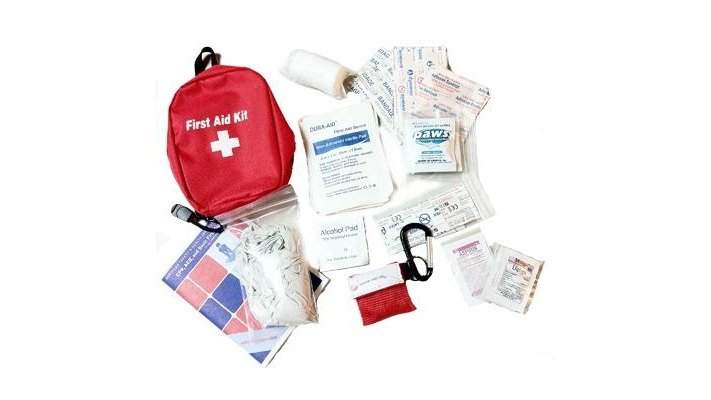
- Define the scenario. A commuter car kit, a three-day backpacking trip, and a five-person scout outing need different contents.
- List the likely problems. Cuts, scrapes, blisters, sprains, headaches, allergic reactions, and tick bites cover most of what actually happens outdoors.
- Match supplies to each problem. Wound care for cuts, blister pads and moleskin for feet, elastic bandages and triangular bandages for sprains.
- Size the quantities to your group. A solo hiker needs one pair of gloves; a five-person group needs several.
- Add the medications you actually use. Pain relievers, antihistamines, and antibiotic ointment in single-dose packets stay usable longer than a half-used tube.
- Choose a container that fits the job. A compact bag for a daypack, a larger one for a vehicle.
What Professional Grade First Aid Supplies Actually Means
Professional grade first aid supplies are manufactured to clinical or institutional standards: sterile where sterility matters, sized for real treatment rather than novelty, and labeled with clear expiration dates. The phrase gets thrown around loosely, so know what separates a serious supply from a drugstore filler item.
Three things separate the two:
- Sterility and packaging. Individually sealed, sterile gauze pads and instruments that stay clean until opened.
- Real sizing. A 4x4 gauze pad and a 4-inch elastic bandage do more than the tiny squares in a promotional kit.
- Traceable dates. Every medication and sterile item carries an expiration date you can plan around.
Medical Supply Refill Options That Keep Your Kit Current
Medical supply refill options range from replacing individual items as they're used to scheduled restock shipments, and the right choice depends on how often you reach into your kit. The worst outcome is a kit that looks full but holds expired medication and dried-out wipes.
| Refill Trigger | What to Replace | How Often |
|---|---|---|
| After every use | Anything opened or consumed | Immediately |
| Date-based | Medications, sterile items, wipes | Before expiration |
| Season-based | Entire kit review | Twice a year |
Sizing, Fitting, and Picking the Right Gear for Your Group
Sizing and fitting determine whether your supplies actually work when you open them. A triangular bandage that's too short won't immobilize a shoulder, and gloves that don't fit slow you down at the worst moment. Here's how to match kits to groups and take the measurements that prevent returns.
Match the kit to the group, not the label
- One to two people, one to two days: a compact personal kit with core wound care and basic medications.
- One to two people, several days: add blister management, orthopedic supports, and more medications.
- One to five people, multi-day: a larger kit with expanded quantities, trauma shears, and a CPR mask.
- Five or more people, multi-day: add a second trauma kit, a larger quantity of gloves, and a designated kit manager.
Fit matters for anything wearable. If you're buying for a scout troop, standardize on one or two sizes rather than covering every possible fit, a kit with three sizes of the same brace usually means two never get used.
How to measure for the gear people most often get wrong
Elastic bandages (compression wraps). Measure the limb's circumference at its widest point, then add about two inches of overlap so the wrap stays put. A wrap sized exactly to the limb will slip; one two inches larger will hold. Standard widths are 2, 3, 4, and 6 inches, match the width to the limb, not the injury.
A quick fitting check before you rely on any brace
American Red Cross first aid guidance recommends checking your supplies against the activities you actually do, since a kit built for car travel looks very different from one built for backcountry hiking. Group leaders should also confirm that at least one person on every outing knows how to use what's in the bag.
Insurance, HSA/FSA, and Other Ways to Pay Less
Most guides stop at "check with your provider." Here's how the payment paths actually work when you're buying individual medical supplies online, and where each one saves you real money.
HSA and FSA: what actually qualifies
Health savings accounts and flexible spending accounts both reimburse qualified medical expenses, but they differ. An HSA is tied to a high-deductible plan, rolls over year to year, and stays with you if you change jobs. An FSA is employer-sponsored, and you must usually spend the balance by the plan-year deadline or forfeit it, which matters when deciding whether to stock up in December or spread purchases across the year.
- Generally reimbursable without a prescription: bandages, gauze, antiseptic wipes, first aid tape, crutches, canes, and blood pressure monitors.
- Usually requires a prescription (Letter of Medical Necessity) to reimburse: items that are primarily for general health rather than treating a specific condition, and durable medical equipment purchased for a diagnosed condition.
How to actually submit a claim
Reimbursement is a paperwork process, not an automatic discount at checkout. The steps are consistent across most administrators:
- Pay for the supplies out of pocket and keep the itemized receipt (not just the card slip).
- Save the packing slip or invoice showing the item description and date.
- If a prescription is required, get the Letter of Medical Necessity from your provider.
- Submit through your plan's portal or app, usually within the plan year.
- Keep copies for at least three years in case of an audit.
Insurance reimbursement for supplies
If you're buying supplies tied to a diagnosed condition, wound care after surgery, diabetic testing supplies, or a prescribed brace, your health plan may reimburse part of the cost even on retail purchases. The pattern is:
- Check whether the item is on your plan's Durable Medical Equipment or medical supply formulary.
- Confirm whether you must use an in-network supplier.
- Ask whether a prior authorization is required before purchase.
- Submit the itemized receipt and any prescription through the plan's claims process.
Other ways to lower the real cost
- Buy individual quantities, not bulk packs. You pay per unit, not per case, so nothing expires unused in a drawer.
- Use autoship or scheduled refills. Scheduled shipments typically beat emergency retail pricing and eliminate last-minute store runs.
- Consolidate orders. Hitting a free-shipping threshold once is cheaper than paying per-item shipping across three orders.
- Review your kit twice a year. Replace only what's expired, which is far cheaper than rebuilding from scratch.
- Split group orders. If you're buying for a team or household, one larger order divided among members usually beats individual orders.
- Check for a mail-order option. If you manage a chronic condition, many plans offer mail-order supplies at a lower cost than a retail pharmacy run.
Conclusion
The real challenge with buying individual medical supplies online isn't finding items; it's building a system you'll actually maintain. RestockYourKit.com makes that easier with custom-built kits, individual quantities at near-wholesale prices, flexible refill options, and free shipping on orders of $79 or more. Get started with RestockYourKit.com and keep your kit current, complete, and ready when it matters.
Frequently Asked Questions
What is the best online medical supply store for individual consumers?
The best store for you depends on what you need. Large distributors often require bulk orders or business accounts. For individuals buying medical supplies online, look for a retailer that sells single quantities, offers custom-built kits, and lets you refill what you actually use. RestockYourKit.com, for example, sells individual quantities at near-wholesale prices and offers free shipping on orders of $79 or more.
Can I buy professional-grade first aid supplies without a license?
Yes. Most first aid supplies, including bandages, gauze, antiseptic wipes, splints, and over-the-counter medications, do not require a license to purchase. Prescription medications and certain controlled items do require a valid prescription. When buying individual medical supplies online, check the product listing for any purchase restrictions before ordering.
How do I know the medical supplies I buy online are authentic and not expired?
Buy from retailers that state their sourcing process and expiration date policy. Look for sellers that custom-build kits to order, which ensures the longest medication expiration dates possible. Check that listings include lot numbers, clear product photos, and manufacturer names. Avoid third-party marketplace listings with no seller information or unusually low prices.
What should I look for when comparing medical supply vendors?
Compare unit pricing, shipping thresholds, return policies, and whether the vendor sells individual quantities or only bulk cases. Check if they offer medical supply refill options so you can restock specific items instead of buying a whole new kit. Also verify the expiration dates on medications and whether the vendor follows proper storage and handling practices.