

Best Refillable Home First Aid Kit System: 2026 Review
Table of Contents
- Why a Refillable Home First Aid Kit System Beats a One-Time Purchase
- Review: Basic Car + Home First Aid Kit as Your Foundation
- The Best Refill Packs to Keep Your System Stocked
- How to Build a Custom First Aid Kit for Your Household
- First Aid Kit Checklist for Home: What to Track
- Best Practices for First Aid Kit Maintenance and Expiration Tracking
- Conclusion: Set Up Your Home Medical System Today
- Frequently Asked Questions
Last Updated: September 5, 2026
Why a Refillable Home First Aid Kit System Beats a One-Time Purchase
A refillable home first aid kit system is a modular approach to emergency preparedness where you maintain a durable base kit and replenish it with fresh, targeted supplies over time, rather than replacing the entire kit after each use or expiration cycle. Most households buy a pre-packed kit once, use a few bandages, and then let it sit in a closet until the adhesive dries out and the medications expire. That single-purchase model leaves you with a false sense of security precisely when you need the kit most.

At RestockYourKit.com, we focus on helping customers be prepared. The smarter approach treats your kit as a living system: a sturdy foundation, organized refill packs for the items you actually use, and a simple tracking habit that keeps everything current. This guide from RestockYourKit.com walks you through building that system, starting with the best foundation kit we offer, then layering in refill packs for bandages, gauze, and medications so your household is genuinely ready for common injuries and minor illnesses.
The difference matters because a depleted kit is often worse than no kit at all. You assume you have supplies, reach for them during an emergency, and find an empty box or expired medication. A refillable system eliminates that guesswork. Below, we'll show you exactly how to set one up, what to stock, and how to keep it maintained for years.
Review: Basic Car + Home First Aid Kit as Your Foundation
The Basic Car + Home First Aid Kit at $19.99 is a strong starting point for most households because it balances coverage, organization, and cost. Designed for 6-8 people over a 1-3 day period and weighing just 15 ounces, it handles the most common everyday emergencies without the bulk of a professional trauma bag (redcross.org). It covers wound management with sterile gauze pads and adhesive bandages in multiple sizes, orthopedic injuries with an elastic bandage and cold compress, and basic medications including aspirin, ibuprofen, and diphenhydramine packets.
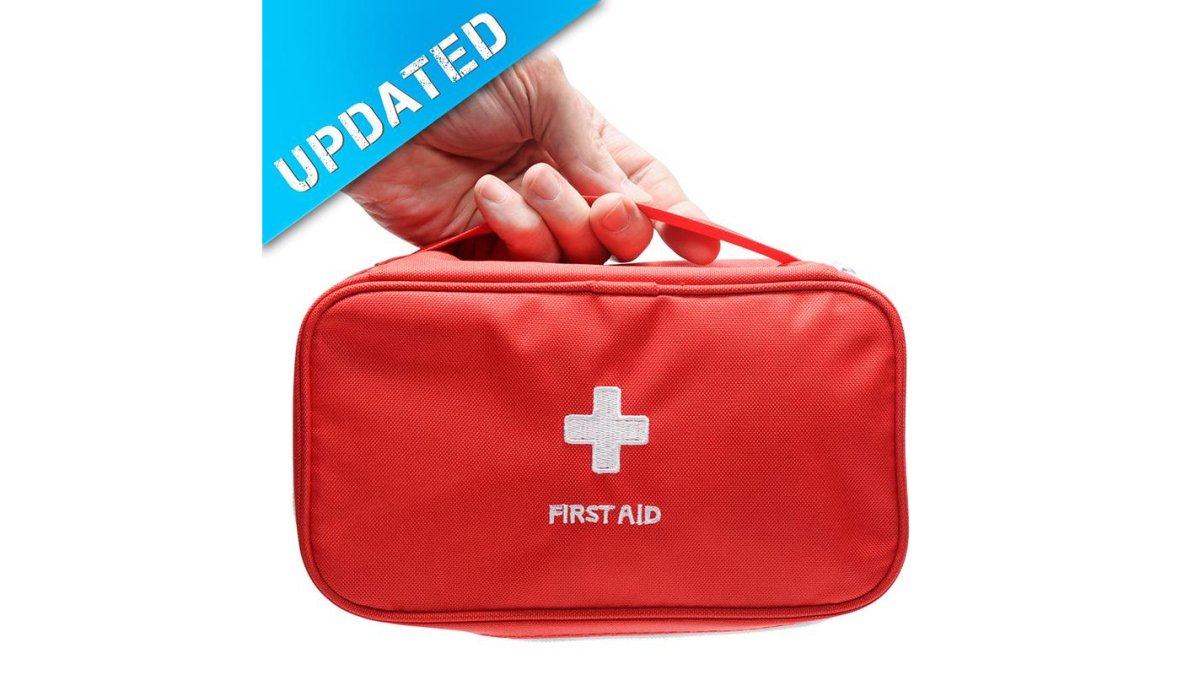
What makes this kit work as the foundation of a refillable system is how it's packaged. Each category of supplies sits in its own waterproof, resealable poly bag, so you can see what's running low at a glance and pull exactly the pouch you need without dumping everything out. The kit is custom built-to-order, which means RestockYourKit.com assembles it fresh rather than shipping a box that has sat on a warehouse shelf for months. That practice gives you the longest possible medication expiration dates from day one.
The one honest limitation: this is a basic kit, not a wilderness expedition kit. It lacks splinter forceps, blister management, and the deeper trauma supplies you'd want for multi-day backcountry trips. For a home or car kit handling cuts, scrapes, headaches, and minor burns, it's the right scope. If your household needs more, the Individual First Aid Kit at $41.99 adds burn and blister management, splinter forceps, and a triangular bandage for 1-2 people over 3-5 days.

The Best Refill Packs to Keep Your System Stocked
Refill packs are the engine of a refillable home first aid kit system. Instead of buying a whole new kit when supplies run low, you purchase targeted modules that match what you used. RestockYourKit.com structures these as individual kits with specific contents, so you replace exactly what's depleted rather than paying for duplicates of items you still have.
| Refill Pack | Price | Contents | Best For |
|---|---|---|---|
| Band-Aid Assortment | $4.49 | 24 assorted adhesive bandages | Everyday cuts and scrapes |
| Gauze Refill Kit | $6.49 | Sterile pads, rolls, trauma gauze | Wound care and bleeding control |
| OTC Pain Refill Kit | $4.99 | Ibuprofen, aspirin, acetaminophen | Aches, fevers, inflammation |
| OTC Gastro-Issues Refill | $5.99 | Antacids, bismuth, loperamide | Upset stomach, diarrhea |
| Topical Relief Refill | $5.99 | Sting relief, burn gel, hydrocortisone | Bites, stings, rashes, burns |
This modular approach keeps your total cost lower over time. You are not paying for a new case, new tools, or new quantities of items you never touched. You are paying only for the consumables you actually used.
Bandages and Gauze Refills
The Band-Aid Assortment Refill Kit at $4.49 contains 24 adhesive bandages across regular, knuckle, fingertip, and large sizes, plus two Tegaderm waterproof dressings. That mix covers the vast majority of household cuts, and the waterproof dressings handle the situations where a standard bandage won't stay on. For deeper wounds or heavier bleeding, the Gauze Refill Kit at $6.49 provides ten 4x4 sterile pads, ten 2x2 pads, two 4-inch and two 3-inch sterile rolls, and two 5x9 trauma pads for more serious bleeding control.

A common mistake is stocking only adhesive bandages and skipping gauze. Gauze is what you reach for when a cut is too large for a bandage, when you need to apply direct pressure to stop bleeding, or when you need to pad a wound before bandaging. Households that skip gauze refills find themselves improvising with paper towels, which is neither sterile nor effective.
Medication Refill Packs
The OTC Pain Refill Kit at $4.99 includes five packets each of ibuprofen, aspirin, and acetaminophen, covering fevers, aches, inflammation, and swelling. The OTC Gastro-Issues Refill Kit at $5.99 adds antacid, bismuth, loperamide, electrolyte, and diphenhydramine packets for stomach complaints. The Topical Relief Refill Kit at $5.99 rounds out the system with sting relief swabs, burn gel, and hydrocortisone cream for bites, stings, rashes, and minor burns.
How to Build a Custom First Aid Kit for Your Household
Building a custom first aid kit for your household starts with a hazard assessment of your specific environment, not with a generic checklist. A home with young children needs different supplies than a home with elderly residents, a workshop, or a backyard poultry flock. The process of customizing is straightforward once you know what your household actually faces.
The most effective way to build a custom first aid kit is to identify your household's specific risks and then assemble modules that address them. This is the core of how to build a custom first aid kit that actually serves your family. Start with the Basic Car + Home kit as your foundation, then add refill packs or individual items based on your assessment. Consider these factors when evaluating your household:
- Ages of household members: Children need smaller bandage sizes and child-appropriate medication dosing; elderly members may need more frequent access to pain relief or cardiac medications.
- Activities and hobbies: Cooking households need more burn treatment; woodworking or DIY households need more gauze and trauma supplies; outdoor enthusiasts need blister care and sting relief.
- Pets and livestock: Backyard poultry keepers need wound care supplies for birds, which RestockYourKit.com carries as specialized modules.
- Medical conditions: Households with known allergies need diphenhydramine in larger quantities; those with chronic conditions need to stock relevant medications.
- Proximity to care: Rural households or those far from urgent care should stock more trauma supplies and longer-duration quantities.
For a home workshop, add more gauze rolls and trauma pads to handle deeper cuts. For a household with frequent outdoor activity, add the blister management and sting relief modules from the Individual kit. For a family with young children, ensure you have appropriate pediatric dosing options for pain and fever medications. The goal is a kit tailored to your actual life, not a generic box that covers scenarios you will never encounter. CPR training benefits.
First Aid Kit Checklist for Home: What to Track
A first aid kit checklist for home is only useful if it reflects how you actually use the kit. The most practical approach is a simple inventory list attached to the inside of your kit case, updated whenever you use an item. This first aid kit checklist for home should include every consumable in your kit, its quantity, and its expiration date, so a quick visual check tells you what needs replenishing.
The checklist below covers the categories every home kit should track, based on the structure of the Basic Car + Home kit and its refill modules. Print it, attach it to your kit, and update it during your quarterly maintenance check.
- Adhesive bandages: regular, knuckle, fingertip, large
- Sterile gauze pads: 2x2 and 4x4
- Sterile gauze rolls: 3-inch and 4-inch
- Trauma pads for severe bleeding
- Elastic bandage for sprains and strains
- Disposable cold compress
- Antiseptic wipes and alcohol wipes
- Triple-antibiotic ointment packets
- Hydrocortisone cream packets
- Burn gel packets
- Sting relief swabs
- Pain relief: ibuprofen, aspirin, acetaminophen
- Antihistamine: diphenhydramine
- Gastro-intestinal: antacid, bismuth, loperamide
- Nitrile gloves and bio-hazard bag
- CPR mask and trauma shears
- Surgical tape and cotton-tipped applicators
One approach that works well is to keep a small notepad in the kit and jot down each item you use as you use it. This gives you an accurate depletion record without relying on memory. At your quarterly check, compare the notepad against your inventory list and order refill packs for everything that is low or expired.
Best Practices for First Aid Kit Maintenance and Expiration Tracking
Best practices for first aid kit maintenance center on a regular schedule, proper storage, and disciplined expiration tracking. The single most important habit is a quarterly review: pick a recurring date, such as the first day of each season, and spend ten minutes checking your kit. This cadence catches expired medications before you need them and keeps your inventory accurate.
Expiration tracking is the area where most household kits fail. Sterile items and medications degrade over time, and using an expired product during an emergency can be ineffective or harmful. RestockYourKit.com ships all sterile items and medications with expiration dates at least six months out, and most items carry 12 to 36 months of shelf life. That gives you a comfortable window, but only if you actually check the dates.
Store your kit in a cool, dry place away from direct sunlight and extreme temperature swings (the NIH). A kitchen cabinet or hall closet works well; a garage that hits freezing temperatures in winter or 100 degrees in summer will degrade medications and adhesives faster. Check the expiration dates on all medication and sterile items during your quarterly review, and replace anything that has passed its date. When you dispose of expired medications, remove them from their packaging and mix them with coffee grounds or cat litter before throwing them away, which discourages accidental consumption by children or pets (the FDA).
Conclusion: Set Up Your Home Medical System Today
The choice between a one-time first aid kit purchase and a refillable home first aid kit system comes down to whether you want to feel prepared or actually be prepared. A refillable system keeps your supplies current, complete, and organized, which is what matters when a real emergency happens. RestockYourKit.com makes that system practical with a $19.99 foundation kit, targeted refill packs starting at $4.49, and free shipping on orders over $79 within the US.
Get started with RestockYourKit.com and build a home medical system that stays ready for cold and flu season, everyday injuries, and the unexpected moments that demand a working kit. Shop now to choose your foundation kit and refill modules.
Frequently Asked Questions
What is the best first aid kit system for home use?
The best system pairs a durable outer bag, like the $19.99 [Weekender First Aid Bag](https://restockyourkit.com/products/weekender-first-aid-bag), with modular refill packs. Start with the [Basic Car + Home First Aid Kit](https://restockyourkit.com/products/basic-car-home-first-aid-kit) at $19.99 for a solid base of 6-8 people. Then, purchase category-specific refills, such as the [Gauze Refill Kit](https://restockyourkit.com/products/gauze-refill-pack-refill) or [OTC Pain Refill Kit](https://restockyourkit.com/products/otc-pain-medications-refill), to replace used items. This modular approach ensures you only pay for what you use and keeps your inventory fresh.
How often should you check and refill your home first aid supplies?
Check your home first aid kit every three months. A practical habit is to review it when the seasons change. Look for expired medications, used bandages, and damaged packaging. Replace missing items promptly using refill kits to maintain readiness. Also, perform a quick audit after any family trip or gathering where the kit was used, so it is always ready for the next emergency.
Is it cheaper to build a custom first aid kit or buy a pre-made one?
For most families, starting with a pre-made kit can be cost-effective. For example, the [Basic Car + Home First Aid Kit](https://restockyourkit.com/products/basic-car-home-first-aid-kit) costs $19.99. From there, building a custom first aid kit with specific refill packs, like the [OTC Gastro-Issues Refill Kit](https://restockyourkit.com/products/otc-gastro-issues-medications-refill) for $5.99, is a convenient way to keep your kit stocked.
What are the best practices for first aid kit maintenance?
Follow three core practices: track expiration dates, organize by category, and audit regularly. Use a checklist to log the expiration dates of medications and sterile supplies. Store items in clear, resealable bags, as RestockYourKit.com does, to keep them visible and protected. Set a calendar reminder for a quarterly check. During each check, swap out expired items using refill packs and confirm your trauma supplies, like gauze and tape, are sealed and sterile.
Quick Picks:
- Best Foundation: Basic Car + Home First Aid Kit ($19.99), covers 6-8 people for common injuries
- Best Wound Care Refill: Gauze Refill Kit ($6.49), sterile pads, rolls, and trauma gauze
- Best Medication Refill: OTC Pain Refill Kit ($4.99), ibuprofen, aspirin, and acetaminophen
- Best Value Bundle: Foundation kit plus 3-4 refill packs stays under the $79 free shipping threshold